Frozen tax returns: clash between Ticino and Bern
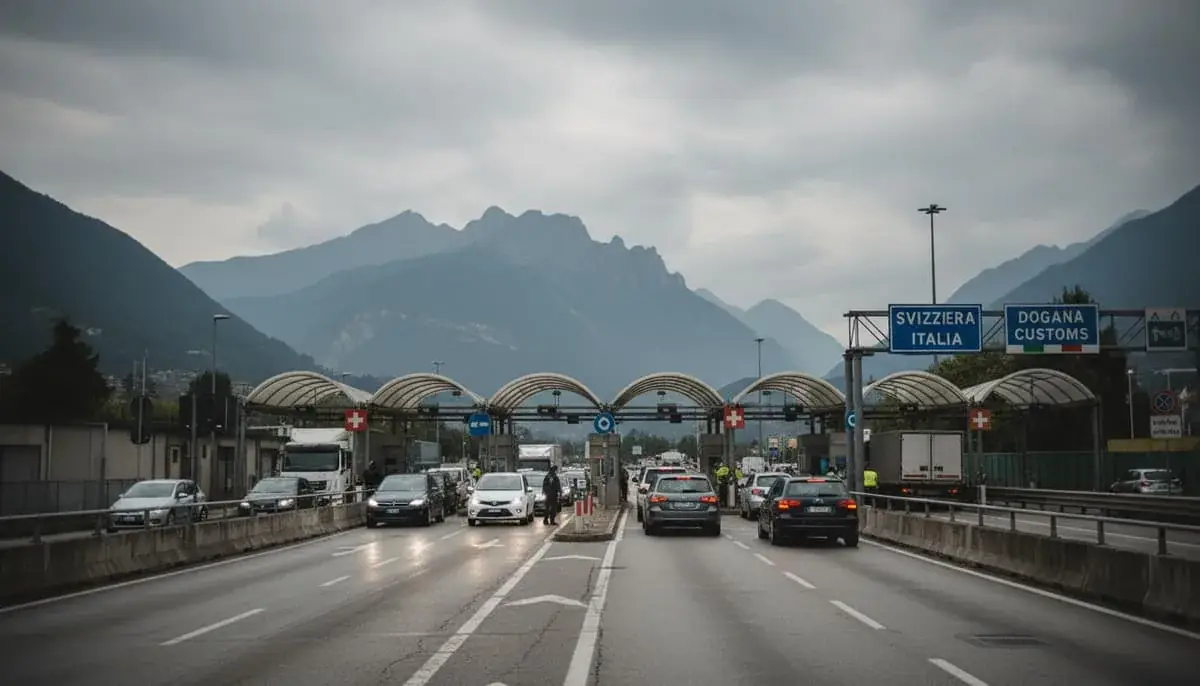
Gobbi threatens to block tax returns: tensions rise between Ticino and Bern over the unpaid health tax for cross-border workers.
Context
TL;DR
- Ticino threatens to freeze tax returns over healthcare costs
- Dispute involves cross-border workers and tax agreement
- Tensions rise between Ticino and federal government
- New meeting scheduled for March 2026
Key facts
- Tax returns 2025: 90 million CHF
- Data meeting: February 25, 2026
- Luogo meeting: Bellinzona
- Numero lavoratori frontalieri: approximately 75,000
- Costi sanitari annuali: estimated at 30 million CHF
- Prossimo incontro: March 2026
- Responsabile dossier: Karin Keller-Sutter
- Ministro Finanze Italia: Giancarlo Giorgetti
Tensions between the Canton of Ticino and the federal government in Bern have reached a new peak over the issue of tax returns related to cross-border workers. During a meeting in Bellinzona on February 25, 2026, State Councillor Norman Gobbi issued a stern warning: 'We are ready to freeze the tax returns. If Bern wants to maintain good relations with Italy, it should compensate for the unpaid health tax.' This statement follows months of disputes over the fairness of healthcare costs borne by Ticino for cross-border workers, who currently are not required to contribute to the local healthcare system.
The tax returns, a significant amount that Ticino transfers annually to Italian border municipalities, represent a key lever in cross-border relations. In 2025, the total tax returns exceeded 90 million CHF, a figure that could now be withheld as a form of pressure on Bern to address the issue. Gobbi also criticized the slow pace at which the federal government and Italian Finance Minister Giancarlo Giorgetti are dealing with the problem. 'It's easier to get a meeting with Giorgetti than with Karin Keller-Sutter,' Gobbi remarked, referring to the current federal councillor responsible for the dossier.
Operational details
Fiscal implications for cross-border workers
If Ticino decides to freeze the tax returns, the consequences could be significant for both sides of the border. Italian municipalities, which heavily rely on these funds to finance infrastructure and public services, could face economic difficulties. On the Ticino side, the decision could lead to strained relations with Bern and further complicate negotiations with Rome over the new tax agreement for cross-border workers, which has already been stalled for months.
Additionally, tensions between the cantonal and federal levels could have repercussions on the management of the health tax for cross-border workers. The proposal to introduce a mandatory deduction to cover healthcare costs had been advanced as a measure to balance Ticino's healthcare expenses, but it has faced resistance at both the federal and Italian levels. Currently, cross-border workers who choose to join the Italian healthcare system through the Bilateral Agreement do not contribute to the funding of the Swiss healthcare system.
📊 Key data:
- 2025 tax returns: 90 million CHF transferred to Italian municipalities
- Annual healthcare costs in Ticino for cross-border workers: estimated at 30 million CHF
- Active cross-border workers in Ticino in 2025: approximately 75,000
⚠️ Upcoming deadlines: A new meeting between Ticino representatives and the federal government is scheduled by March 2026 to discuss a definitive solution. The stakes are high, as a potential block of the tax returns could have ripple effects on the future of bilateral agreements between Switzerland and the European Union.
Useful tools for your case
To verify your within/over 20 km tax scenario, use the net salary calculator and the tax return guide.
Key points
How to prepare for potential changes
For cross-border workers, the uncertainty surrounding the future of tax returns and cross-border taxation makes it even more important to closely monitor regulatory developments. If the health tax is implemented, it could result in additional monthly deductions directly from paychecks. In such a case, it is advisable to immediately simulate the potential impact on net salary and evaluate alternative options, such as joining a Swiss health insurance plan.
💡 Practical tips:
- Check current payroll deductions for potential future adjustments.
- Use the Net Salary Calculator to estimate the impact of any new deductions.
- If you work in a border municipality with high IRPEF surcharges, consult our Interactive Border Municipality Map to compare tax rates.
Stay updated on further developments by consulting our dedicated guides and tools. The news was reported by laRegione on February 25, 2026.
Frequently Asked Questions
- What happens if the Canton of Ticino decides to freeze tax rebates?
- If the Canton of Ticino decides to freeze tax rebates, Italian municipalities could find themselves in economic difficulty due to the lack of funds to finance infrastructure and public services. On the Ticino front, the decision could lead to a hardening of relations with Bern and further complicate negotiations with Rome on the new tax agreement for cross-border commuters.
- How many cross-border commuters were involved in 2025 and what are the estimates of health expenditure for them?
- In 2025, around 75,000 cross-border commuters were active in Ticino. The annual health expenditure for them is estimated at CHF 30 million.
- What are the consequences for cross-border commuters if tax rebates are frozen by the Canton of Ticino?
- The freezing of rebates could reduce the resources allocated to Italian border municipalities, compromising public services and infrastructure. For cross-border commuters, this could result in worsening living conditions and a possible increase in tensions between Switzerland and Italy.
Related articles
- All articles: Taxes
- Ristorni congelati: ecco cosa cambia per i frontalieri
- Blocco dei ristorni: "La Confederazione non può dar la colpa al Cantone"
- Ristorni Bloccati? La Lombardia Avverte il Ticino: 'Scelta Sbagliata'
- Crisi Ristorni: Ticino contro Berna per la Tassa Salute Frontalieri
- Congelamento ristorni salute: cosa significa?