Artificial turf in Ticino schools: risks for kids and hidden costs (cross-border guide)
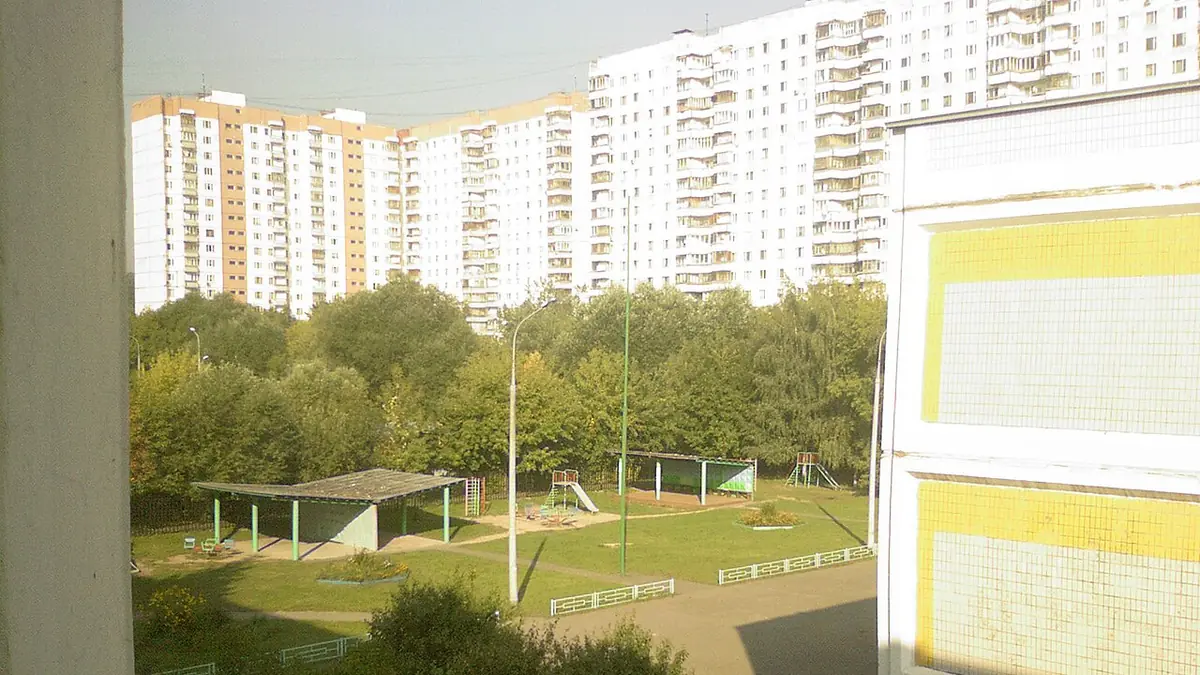
Parents and experts warn about the dangers of artificial turf in Ticinese schoolyards: excessive heat, microplastics, and environmental impact. Everything you need to know about a choice that’s also under scrutiny across Europe.
Context
In brief
- Synthetic grass in Ticino's schoolyards literally becomes hot in the sun, with risks to children's health
- The Democratic Party and AVS denounce a wrong and anachronistic choice, made only to save costs
- Microplastics and heat accumulation are the main problems also reported by the European Union
- Moratorium required to stop installation in educational spaces
Key Facts
- What: Installation of synthetic turf instead of natural lawn in some schools in the Canton of Ticino
- When: Decision approved in March 2024, reports from parents as of April 2024
- Where: Schoolyards of infant-toddler centres and preschools (not specified which, but involve border communities)
- Who: Municipality of Como (but the issue is relevant for the whole Canton of Ticino, where public schools manage similar green spaces)
- Risks: Literally hot surfaces, release of microplastics, increase in surface temperatures
- Legislation: The European Union has already started a progressive elimination of plastic materials in synthetic fields (EU Regulation 2023/2055)
The debate on the replacement of natural lawn with synthetic grass in schools in the Canton of Ticino has taken on heated tones after reports from parents who have denounced how the installed surfaces literally become hot under the summer sun. A choice, according to critics, wrong and anachronistic, made in the name of saving on maintenance costs, but with serious risks for the health of children and the environment. The issue is raised by the Democratic Party of Como, which has been monitoring the phenomenon since last week, and the Swiss Green Association (AVS), already at the forefront against the lamination of school gardens since the approval of the resolution in March 2024.
…
Operational details
Artificial Grass vs Natural Lawn: A Practical Comparison
If the debate on artificial turf and natural lawn is heated at the political level, the scientific data offer a clear overview of the pros and cons of this choice, especially in educational contexts such as schools. Here is a comparative table based on the evidence cited by the AHV and international studies:
| Parameter | Artificial turf | Natural lawn | |-----------------------------|--------------------------------------------|--------------------------------------------| | Surface Temperature | Much warmer (up to +20°C than natural) | Cool, absorbs heat | | Microplastics | Release of harmful particles into the air and soil | No Release | | Biodiversity | Zero hospitality for insects and microorganisms | High biodiversity, living soil | | Maintenance | Low (no watering, rare cutting) | High (watering, fertilizing, frequent cutting) | | Initial Cost | High (Installation) | Moderate (seeds, sowing) | | Cost over time | Low (no power consumption) | High (water, energy, labor) | | Risks to children | Skin abrasions, overheating | No risk (apart from pollen allergies) | | Environmental impact | Alto (non-biodegradable plastic) | Low (natural cycle) |
The risks to children's health
According to a study published in 2023 by the journal Environmental Health Perspectives, artificial turf can release microplastics in significant amounts, especially when walked on or exposed to high temperatures. These fragments can be inhaled or ingested by children, with potential long-term effects on respiratory and skin health.
…
Key points
How to act if your school has artificial turf: practical guide
If your child attends a school or kindergarten in Ticino with artificial turf courtyards, here is step by step what you can do to assess the risks and ask for improvements:
Step 1: Assess the heat risk The first step is to measure the temperature of the surfaces. You can do this with: - Infrared thermometer (available online or in DIY stores, ~20-50 CHF) - Contact thermometer (less accurate, but sufficient for a first evaluation)
When to measure? - Central hours of the day (12:00-15:00, when the sun is at its strongest) - Windless days (the wind cools the surfaces) - After at least 2 hours of sun exposure (to have significant data)
Alarm threshold: If the temperature exceeds 40°C, the surface is potentially dangerous for children playing in direct contact.
Step 2: Evidence collection and reporting If the data confirms excessive overheating, collect: 1. Photos and videos of the affected areas (with date and time) 2. Thermal measurements (with photos of the thermometer in action) 3. Testimonials from other parents (even anonymous)
Who to report to? - School management (via email or formal meeting) - Municipality of competence (environmental or technical office) - Department of Education of the Canton of Ticino (DECS)
…
Frequently Asked Questions
- Is artificial turf banned in Switzerland?
- No, there is no outright ban, but the European Union is gradually phasing out plastic materials in synthetic fields (EU Regulation 2023/2055). In Switzerland, the Environmental Protection Act (LPA) and the Construction Materials Ordinance (OMC) restrict harmful substances, but they do not explicitly prohibit artificial turf in schools.
- What can I do if my school already has artificial turf?
- You can measure surface temperatures with an infrared thermometer, gather evidence (photos, videos, testimonies), and report the issue to your school’s administration, local municipality, or the Canton Ticino’s Department of Education (DECS). If needed, you can involve organizations like the Avs (Swiss Association for the Protection of Children and Youth) or launch a petition.
- Are there safer alternatives to artificial turf?
- Yes, safer and more sustainable options include natural grass with rubberized areas only for high-impact play, permeable surfaces, sand, or gravel. These solutions reduce overheating and keep children in contact with natural materials, which are essential for their development.
- My child attends a school in Ticino, but I live in Italy. Can I take action?
- Yes, even though Switzerland has jurisdiction, you can support collective initiatives, sign petitions, or report concerns. Engage with organizations like the Avs or coordinate with other parents—especially if the school is in a border town (e.g., Chiasso, Mendrisio)—to strengthen your request.
- What are the main risks for children?
- The primary concerns are **surface overheating** (up to 40°C+), the release of **microplastics** (which can be inhaled or ingested), and the lack of **biodiversity**, limiting natural learning opportunities. Scientific studies link these factors to respiratory issues, skin abrasions, and heat stress.