Switzerland fuel: critical jet fuel stocks (cross-border guide)
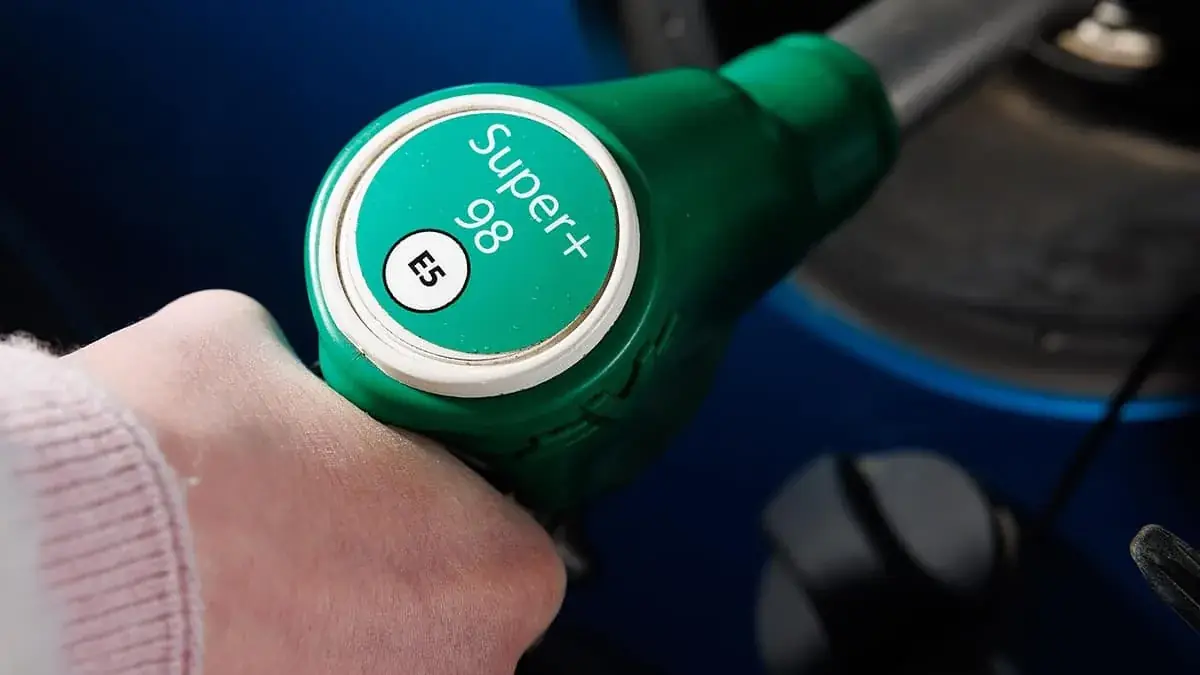
Switzerland's jet fuel reserves only cover 72 days, against the expected 90. Here's what changes for cross-border workers.
Context
In brief
- Kerosene stocks cover only 72 days
- Gasoline and diesel flow regularly
- Priority to rescue flights in case of shortage
- Cross-border workers may face price increases and limited availability
Key facts
- What: Mandatory fuel stocks
- When: May 2026
- Where: Switzerland
- Who: Federal Office for National Economic Supply (FONES)
- Amount: 72 days of autonomy for kerosene
The war with Iran and the closure of the Strait of Hormuz have not interrupted the flow of gasoline and diesel to Swiss service stations. However, the situation is critical for kerosene, with current reserves covering only 72 days, against the 90 days required by the current ordinance. The supply of Swiss airports is guaranteed until the end of May 2026, but in case of shortages, the Confederation can authorize the withdrawal from mandatory stocks.
Unlike the European Union, Switzerland is not bound by the principle of energy solidarity. This means that Swiss stocks are exclusively intended for national needs. However, there is an exception for gas, with an agreement between Switzerland, Italy, and Germany that provides for solidarity measures in case of shortage.
Implications for cross-border workers
For cross-border workers employed in Switzerland, the fuel stock situation could have practical implications. In case of shortage, fuels could be put on the market through traditional channels, with the risk that foreign traders will buy fuel to resell it across the border. This could influence the availability and prices of fuels in the border region.
The Federal Council can decide on exceptions, such as ensuring the supply of kerosene for rescue, firefighting, and search flights in case of extreme shortage. However, at the moment, a similar eventuality still appears far off.
…
Operational details
Practical Analysis
The situation regarding kerosene stocks in Switzerland raises some practical questions for cross-border workers. In case of shortages, how could the fuel supply be guaranteed for those who work in Switzerland and live in Italy? For example, a cross-border worker who works in Lugano and lives in Como might face difficulties if the service stations in Ticino were to experience shortages. According to data from the Federal Office of Energy (OFEN), Switzerland's current kerosene stocks are sufficient for 72 days, a significant decrease compared to the 90 days of autonomy recorded at the beginning of 2022.
Comparison with the Previous Situation
Before the current crisis, kerosene stocks were sufficient for three months. Now, with only 72 days of autonomy, the situation is more critical. This could lead to an increase in fuel prices and possible shortages at service stations, especially near the border. For example, in 2021, the price of kerosene in Ticino was around 1.50 CHF per liter, while today it has exceeded 2.00 CHF. Service stations in Mendrisio, Chiasso, and Campione d'Italia could be the first to be affected by any shortages.
Possible Scenarios
If the situation were to worsen, the Federal Council could decide to limit the use of kerosene to essential flights, such as rescue and firefighting flights. This could influence commercial flights and air transport, with possible repercussions for cross-border workers who frequently use air services for work or personal travel. For example, Lugano-Agno Airport could reduce charter flights, affecting cross-border workers who use this means to reach destinations such as Zurich or Geneva.
…
Key points
What to do
In case of fuel shortages, it is essential to be prepared and informed. Here are some practical steps for cross-border workers, with concrete examples and specific references:
1. Monitor official communications: Stay updated on communications from the UFAE (Federal Office of Agriculture) and local authorities, such as the Department of Territory of the Canton of Ticino. For example, on March 15, 2023, the UFAE issued a statement regarding kerosene stocks, urging citizens to reduce consumption. Monitor sites like Ticino News and UFAE for real-time updates.
2. Plan your trips: In case of shortages, plan your trips in advance. For example, cross-border workers who work in Lugano and live in Italy might consider using the train, with tickets starting at 15 CHF for a journey from Como to Lugano. Compare costs and travel times with the fuel cost calculator.
3. Reduce fuel consumption: Adopt measures to reduce fuel consumption. For example, driving at a constant speed of 80 km/h instead of 120 km/h can reduce consumption by 25%. Additionally, carpooling with colleagues can reduce costs by 50%.
4. Prepare for possible interruptions: Have an emergency plan in case of prolonged interruptions in fuel supplies. For example, keep non-perishable food at home for at least 3 days and drinking water for 2 days.
5. Use calculation tools: Use the fuel cost calculator to monitor costs and plan transportation expenses. For example, a cross-border worker who travels 100 km a day with a car that consumes 6 liters per 100 km and with fuel at 1.80 CHF/liter will spend approximately 108 CHF a week.
…
Frequently Asked Questions
- What happens if kerosene stocks fall below 72 days?
- In case of shortage, the Confederation can authorize the withdrawal from mandatory stocks. The Federal Council can also decide on exceptions, such as ensuring kerosene supplies for rescue, firefighting, and search flights.
- How can I prepare for possible fuel shortages?
- Monitor official communications, plan trips in advance, take measures to reduce fuel consumption, and have an emergency plan in case of prolonged supply interruptions.
- What are the priorities in case of a gas shortage?
- In case of a gas shortage, the agreement between Switzerland, Italy, and Germany provides that protected customers, such as households, hospitals, and emergency services, have priority for supplies.
Related articles
- All articles: Energy and fuel
- Scorte carburante Svizzera: approvvigionamento garantito fino a maggio 2026
- Carenza carburante Svizzera: rischio alto, ecco perché
- Di più pensioni: rendite in calo, coprono sempre meno l'ultimo stipendio
- Petrolio USA: export record con chiusura Hormuz
- Burro svizzero venduto all'estero: perdite per 27 milioni