Sunflower Oil: Hidden Chemistry in Production (cross-border guide)
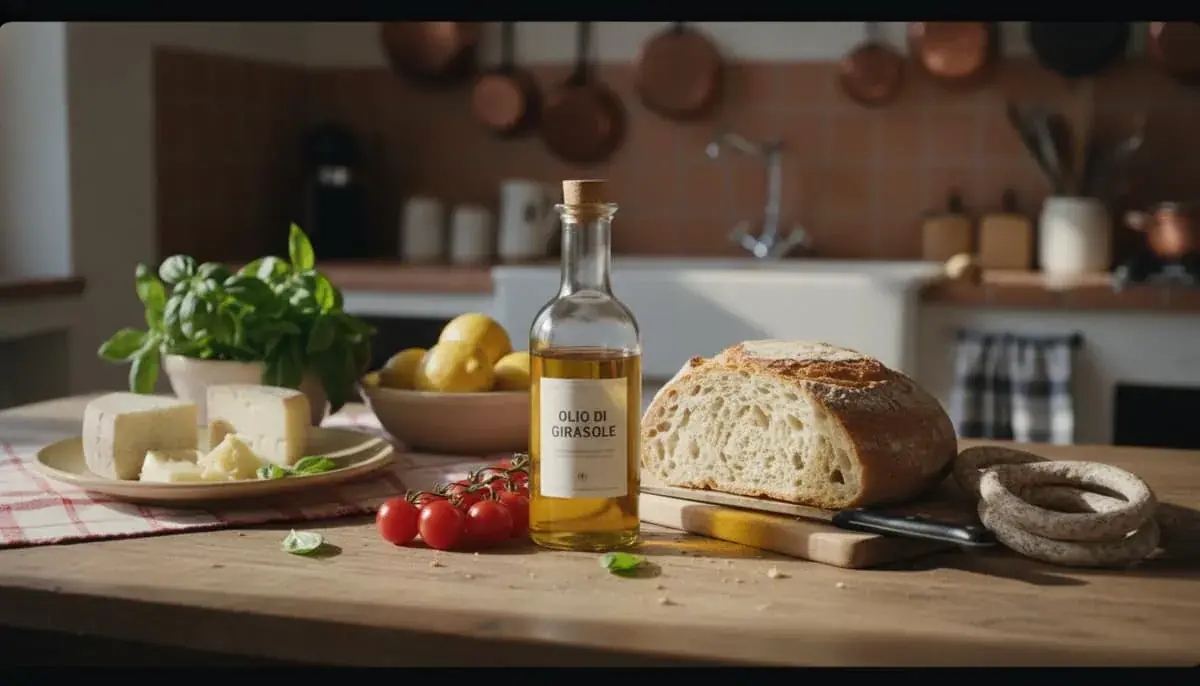
An investigation reveals the use of toxic solvents and artificial flavors in imported products. What are the risks for consumers and cross-border workers in Ticino?
Context
TL;DR
- 50,000 tons of sunflower oil consumed annually in Switzerland
- Sunflower oil often produced with hexane, a chemical solvent
- Chemical treatments reduce nutritional value and flavor
- Cross-border workers may buy cheaper, chemically treated oil
Key facts
- Annual consumption: 50,000 tons in Switzerland
- Production method: Hexane used in production process
- Nutritional loss: Omega-6 and other nutrients reduced
- Import percentage: 90% of sunflower oil is imported
- Main countries: Argentina, Tanzania, Hungary
- Regulations: Swiss regulations on chemical residues are strict
- Healthier option: Cold-pressed oil offers greater health benefits
The Chemistry Behind Sunflower Oil
Every year in Switzerland, approximately 50,000 tons of sunflower oil are consumed, making it a ubiquitous ingredient in kitchens and restaurants. However, behind its seemingly neutral appearance lies an industrial process that is little known. According to an investigation conducted by RSI, sunflower oil imported from countries like Argentina is produced using hexane, a chemical solvent also used for adhesives and paints. While companies assure that the final product is free of toxic residues, independent studies confirming this are lacking, and journalists were denied access to the extraction stages.
After mechanical pressing, the oil undergoes additional chemical treatments to enhance flavor and color, albeit at the cost of a significant loss of nutrients such as omega-6. This process diminishes the nutritional value of the oil, rendering it a 'neutral' product in terms of taste and health benefits.
"It doesn't have much flavor. It's quite neutral... Due to these processes, it has no smell and tastes like nothing," said nutritionist Raphaël Gruman during the investigation.
📊 Key Data:
…
Operational details
Fiscal and Health Implications
The investigation not only highlights the product's quality but also has practical implications for cross-border workers employed in Ticino. Since sunflower oil is a frequently purchased item by Italian cross-border workers in Swiss supermarkets, it is important to consider its origin and production processes. Cross-border workers often opt for cheaper products, but few are aware of the chemical techniques used.
⚠️ Regulations to Consider:
- In Switzerland, regulations on chemical residues in food are very strict, but imported products, if not adequately tested, may fail to meet these standards.
- Buying higher-quality oil, such as cold-pressed oil, may be more expensive but ensures greater health benefits.
💡 Fiscal Tips:
- Cross-border workers can optimize their food budget by purchasing high-quality local products directly from Swiss or Italian markets.
- For those living near the border, consulting the interactive border municipalities map helps identify supermarkets with competitive prices and information on the real costs of food items.
Recommended tools
For an updated estimate, use the net salary calculator and the CHF-EUR exchange comparator.
Key points
Practical Tips for Cross-Border Workers and Consumers
The choice between a cheaper product and a high-quality one often boils down to evaluating immediate savings versus long-term benefits. For cross-border workers, purchasing cold-pressed oil may seem like a luxury but offers tangible health advantages, especially considering the risks of chemically treated products.
💡 Checklist for Conscious Shopping:
- Always check the label: verify the origin and production method.
- Opt for cold-pressed or organic oils, even if slightly more expensive.
- Consider buying directly from local producers to ensure quality and sustainability.
📊 Use the Cost of Living Comparator to calculate the impact of food expenses on your monthly budget. Compare local prices and discover where it’s most advantageous to shop based on your needs.
Frequently Asked Questions
- How much sunflower oil is consumed in Switzerland each year?
- According to the survey, the annual consumption of sunflower oil in Switzerland is around 50,000 tonnes.
- What is the environmental impact of the use of hexane in the production of sunflower oil imported in Switzerland?
- The use of hexane, a chemical solvent, in the production of sunflower oil, could have a negative environmental impact due to its potential toxicity and impact on water resources and soil during production. However, specific data on direct environmental impact in Switzerland were not provided in the survey.
- What are the environmental risks related to the import of sunflower oil treated with hexane?
- The use of hexane in the production of sunflower oil can lead to environmental risks, such as water and soil pollution, due to the disposal of chemical solvents. Although companies claim that the final product is safe, the management of hexane residues may have negative impacts on the local ecosystem.
Related articles
- Fonderie Svizzere: Produzione in calo del 7.6%. Cosa significa per il tuo lavoro in Ticino?
- Inchiesta arbitri, dal caso Inter-Roma alla spiegazione di Rocchi
- Sfruttamento corrieri: la verità nascosta dietro le consegne
- PIL Svizzera in forte ripresa nel secondo trimestre
- Dl Bollette: novità per i consumatori dal 19 giugno 2026