Healthcare in Ticino: Protecting the Sovereignty of Health Data
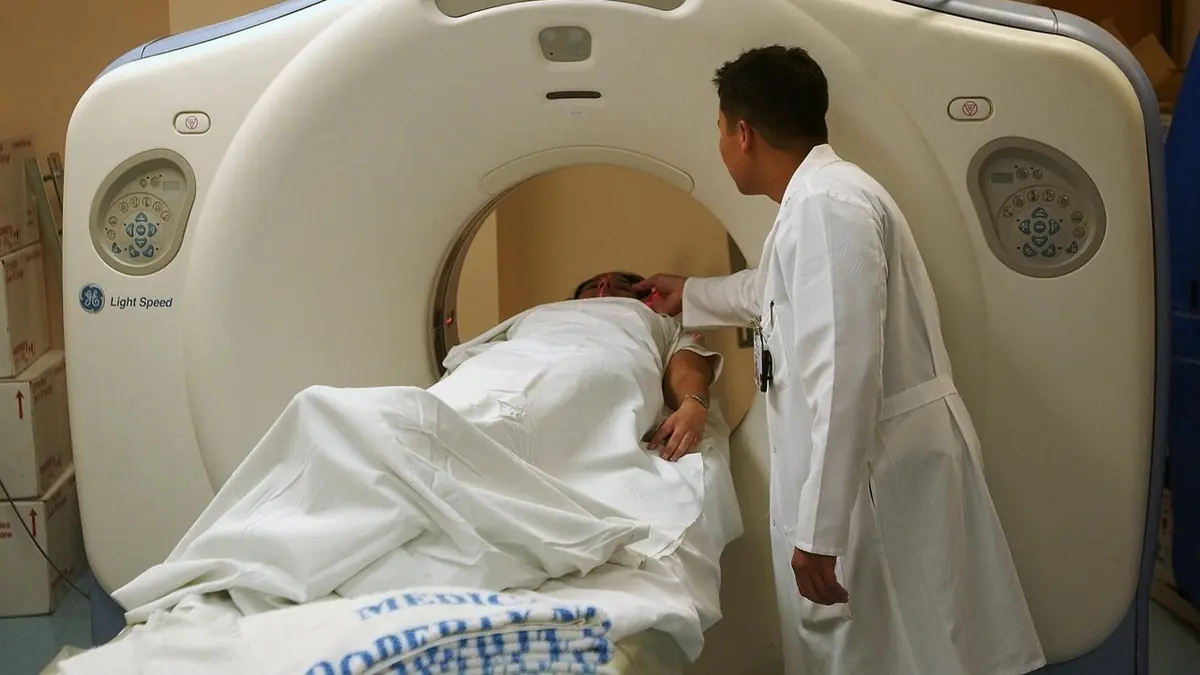
The Canton of Ticino is preparing to face the challenges of digital security and health data protection, following recent statements by Senator Zaffini.
Context
TL;DR
- Ticino strengthens health data protection amid digital innovation.
- Italy and Switzerland collaborate on cybersecurity and AI in healthcare.
- Cross-border data flows require harmonized regulations and security measures.
Key facts
- Legislation: Switzerland and Italy have introduced regulations on cybersecurity and AI in healthcare.
- Collaboration: Italian and Swiss authorities are collaborating to share best practices and security measures.
- Deadline: The primary deadline for infrastructure upgrades is set for 2026.
- Institutions: Ticino institutions like USI, SUPSI, and EOC are integrating new technologies and security systems.
- Protection: Public and private entities in Ticino must adopt advanced security measures, including encryption and controlled access.
- Sanctions: Swiss legislation prescribes strict sanctions for violations and incentives for digital innovation.
- Interoperability: Interoperability systems between Swiss and Italian digital platforms are being developed to avoid data loss.
- Training: Healthcare personnel must stay updated on regulations and participate in certified training courses.
Within the context of recent discussions on cybersecurity and health data protection, the Canton of Ticino positions itself in a crucial debate between digital innovation and national sovereignty. Switzerland, already recognized for its advanced regulations on cybersecurity and artificial intelligence, has strengthened its commitment through specific legislation, which also involves the healthcare system. The recent statement by Senator Francesco Zaffini, chair of the Health Committee in the Italian Parliament, highlights how Italy is among the first countries to establish a cutting-edge legal framework. Italy has introduced regulations on cybersecurity and the use of artificial intelligence in healthcare, aiming to safeguard citizens' sensitive data and maintain national sovereignty. This stance is also reflected regionally, especially in Ticino, where health authorities and border services must ensure the protection of data collected in compliance with Swiss and European regulations. Collaboration between Italian and Swiss authorities is intensifying, with opportunities to share best practices and security measures, without compromising each system's sovereignty. Managing health data is a strategic element for national security and citizens' privacy, particularly considering cross-border flows of workers and transnational healthcare services between Ticino and Lombardy. In this scenario, Ticino institutions such as USI, SUPSI, and EOC are called to integrate new technologies and advanced security systems, ensuring data remains under Canton control. The main challenge involves harmonizing regulations, preventing cyber attacks, and managing digital emergencies. International cooperation among Italy, Switzerland, and the European Union is essential, as health data cross borders and involve systems of varying security levels. Protecting digital sovereignty thus becomes a strategic goal for Ticino, which must balance innovation and security by developing robust, compliant technological solutions. Achieving this requires investments in digital infrastructure, personnel training, and clear regulation that considers the specificities of the cross-border context. Senator Zaffini’s recent statement serves as a vital impetus to strengthen this position, which must be shared and implemented with determination. Protecting health data is not only a security issue but also a matter of sovereignty and respecting citizens' fundamental rights, who must rely on trustworthy, secure systems.
Operational details
To deepen understanding, Swiss legislation on health data protection is based on respecting federal and cantonal laws, with particular attention to European directives such as GDPR. In Ticino, public and private entities involved in data processing are required to adopt advanced security measures, including encryption systems, controlled access, and continuous monitoring. The recent Swiss legislation, reinforced in 2024, prescribes strict sanctions for violations and incentives for digital innovation. For cross-border workers, this legislation offers a dual layer of protection: compliance with Swiss laws and compatibility with Italian privacy regulations. Ticino health authorities, such as the cybersecurity office and the health department, are working on shared protocols with Italian counterparts to ensure data isn't exposed or manipulated. Managing cross-border health data also demands interoperability systems between Swiss and Italian digital platforms, to avoid duplication and data loss risks. The primary deadline for infrastructure upgrades is set for 2026, with particular focus on securing information systems and training healthcare personnel. Collaboration between universities like SUPSI and USI, and cybersecurity agencies, is key to developing innovative data protection solutions. Switzerland also promotes the creation of a center of excellence dedicated to healthcare cybersecurity, involving Swiss, Italian, and European experts. For professionals, staying updated on regulations, participating in certified training courses, and adopting internationally recognized best practices are crucial. Protecting health data is thus a strategic investment for Ticino’s healthcare system, which must ensure citizens' security and maintain its digital sovereignty without sacrificing international collaboration. The main challenge remains balancing innovation, security, and privacy in an increasingly digital and threat-prone environment.
Useful tools to protect your net income
To reduce FX leakage, compare CHF-EUR exchange options and banks for cross-border workers.
Key points
For cross-border professionals and citizens, monitoring current regulations and adopting personal security measures—such as strong passwords, two-factor authentication, and regular system updates—is highly advisable. Ticino institutions like EOC and the health department provide official tools and guidelines to ensure data security. It is particularly recommended to participate in training courses offered by authorities and to use data management tools compliant with Swiss laws. For companies and public entities, investing in security infrastructure and collaborating with cybersecurity experts to identify vulnerabilities and prevent cyber attacks is essential. Cooperation between Italian and Swiss institutions is strengthened through information exchange agreements and best practice sharing, which help maintain high system security standards. Remember, the main deadline for infrastructure upgrades is 2026, with a focus on communication networks and safeguarding sensitive citizen data. For cross-border workers, using online consultation tools like salary calculators and health management portals—regularly updated and compliant with regulations—is highly recommended. Protecting digital sovereignty in healthcare translates into resource investment and a shared commitment among institutions and citizens to develop resilient, reliable systems that respect privacy rights. For further details, visit our site and explore tools such as the salary calculator, cybersecurity portal, and official regulatory guides. Ensuring health data protection remains a strategic priority for Ticino, which strives to balance digital innovation with privacy respect, thereby strengthening its sovereignty and digital security.
Frequently Asked Questions
- What is the reference legislation for the protection of health data in Switzerland for cross-border commuters?
- The legislation is based on compliance with Swiss federal and cantonal laws, with particular attention to European directives such as the GDPR, with strict penalties for violations and incentives for digital innovation.
- What is the deadline for the adaptation of cross-border health infrastructure by 2026 in Ticino?
- The deadline for compliance is 2026, with a focus on cybersecurity and training of healthcare personnel.
- How can I check whether my employer in Ticino complies with Swiss health data protection regulations for cross-border commuters?
- You can request a copy of the company's privacy policy or contact the IT security service of the EOC or the Ticino health department. Companies must publish the measures taken to protect health data in accordance with Swiss law.
- What are the risks for a cross-border commuter if health data is handled inappropriately between Ticino and Lombardy?
- Risks include privacy violations, employer penalties, and exposure to fraud or identity theft. The legislation provides for penalties of up to 250,000 Swiss francs for companies that do not comply with the rules on the protection of health data.
- Where can I find certified training courses on health data security for cross-border commuters in Ticino?
- USI and SUPSI offer specific courses in collaboration with the Ticino health authorities. You can consult the official websites of EOC, Department of Health and Social Affairs of the Canton of Ticino or the portal of the Swiss Confederation for professional updating.
Related articles
- All articles: Health and insurance
- Dichiarazione d’imposta sempre più digitale in Ticino nel 2026
- Sanità frontalieri: 120 euro al mese per stipendi medici
- Cure a domicilio in Ticino: le nuove norme e le sfide
- Via libera al fascicolo AVS/AI digitale: cosa cambia per i frontalieri
- Vivere a Oggebbio e lavorare in Ticino da frontaliere