Montescheno: living and working in Ticino (cross-border guide)
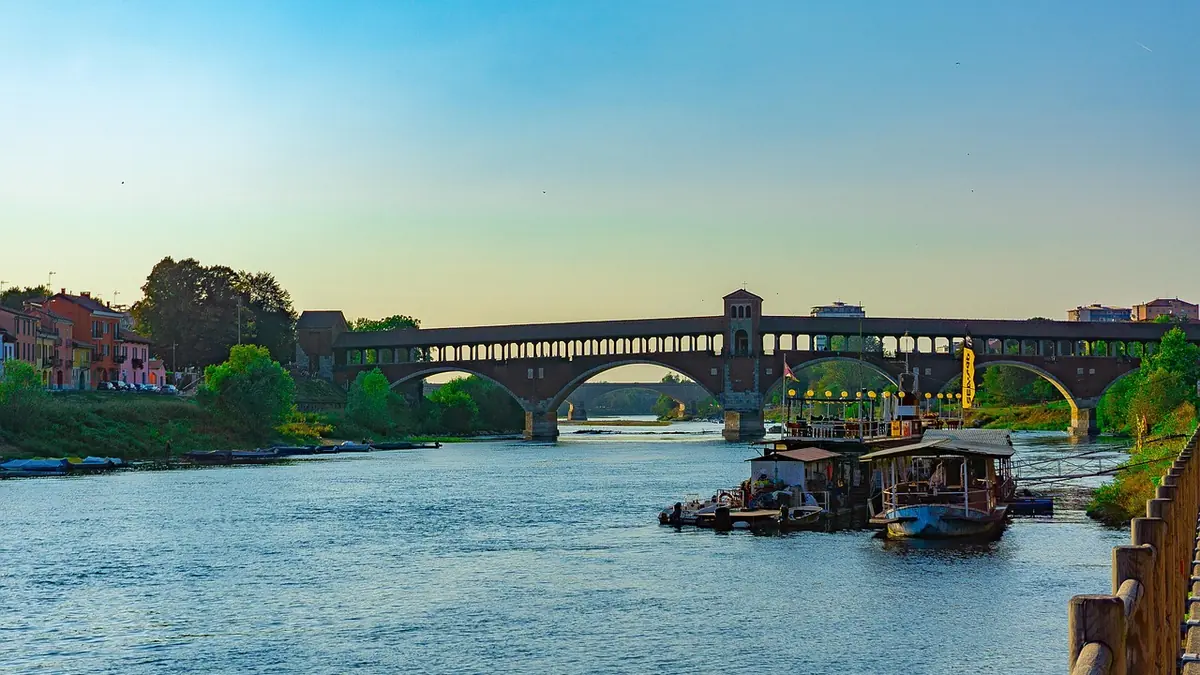
What it means to live in Montescheno and work as a border worker in Ticino. Guidance on G Leave, Taxation, Cost of Living and Administrative Procedures.
Context
In brief
- New Cross-Border Agreement effective from 1 January 2024
- Permit G: €10,000 exemption for new cross-border workers (from 17 July 2023)
- Withholding tax deducted only in Switzerland
- Mandatory AVS (5.3% employee)
Key facts
- What: Living in Montescheno and working in Ticino with Permit G
- When: Starting from 1 January 2024 (New Agreement in effect)
- Where: Montescheno (Ticino border) → Lugano, Mendrisio, Bellinzona
- Who: New and historical cross-border workers with differentiated regime
- Tax: Deducted only in Switzerland (no double taxation)
- Annual exemption: €10,000 (new cross-border workers), €7,500 (old until 2033)
Choosing to live in Montescheno, a Lombardy municipality on the Ticino border, and work in Ticino represents a concrete choice for those who want a balance between the Swiss job market and lower residential costs compared to Switzerland. But what does it mean to be a cross-border worker with this geographical configuration? From taxation to administrative procedures, the rules have changed with the New Cross-Border Agreement that came into effect on 1 January 2024, introducing new specific rights and obligations.
Montescheno: a border choice
Montescheno is in a strategic position relative to the main Ticino centers. Those who work in Lugano, Mendrisio, Bellinzona, or in the Riviera face daily commuting through crossings such as Brogeda, Gaggiolo, and other border points in the area. The geographical proximity to Ticino simplifies the daily commute, but it remains crucial to understand what tax and pension benefits derive from the current regulatory framework.
…
Operational details
For the cross-border worker residing in Montescheno and employed in Ticino, taxation is one of the central issues in the decision to move. Italy applies the right to tax the income of its residents, but the Italo-Swiss Convention (9 December 1976) and the New Agreement define how this right is limited and coordinated with the Swiss system, avoiding double taxation.
Useful planning tools
To estimate your pension strategy, use the pension planner and the pillar 3 simulator.
Key points
The transition from Italian resident to Ticino cross-border worker requires a series of specific and sequential steps. From the formal request for the Permit G to the correct annual tax declaration, each phase has precise deadlines and well-defined responsibilities.
Discover Ticino job offers updated daily: 4,000+ positions from Swiss companies hiring cross-border workers.
Frequently Asked Questions
- What does it mean to live in Montescheno and work in Ticino as a border worker?
- It means residing as an Italian citizen in Montescheno and working with a Ticino Swiss employer with a local contract. It applies for Permit G and subjects the income to a double tax regime (Italian and Swiss) coordinated by the Italian-Swiss Convention (9 December 1976) and the New Agreement in force from 1 January 2024.
- How much do I pay taxes as a border worker based in Montescheno?
- The tax at source is withheld directly by the Swiss employer according to the Ticino rates. In Italy, declare the income and benefits of the annual deductible (€10,000 for new frontier workers from 2024) and the Swiss tax credit already paid. No double taxation thanks to the coordination of the Convention.
- What Permit do you need to work in Ticino while living in Montescheno?
- Permit G (border). It must be requested from the Ticino cantonal authorities with the support of the employer. The procedure takes about 5-10 working days. Initial duration: one year, renewable up to five years thereafter.
- Do I need to register with the Swiss AVS if I live in Italy?
- Yes. Those who work in Switzerland are compulsorily enrolled in the AVS (Old Age, Survivors, Disability Insurance) with a contribution rate of 5.3% to be paid by the employee. This increases Swiss pension rights regardless of residence. The second pillar (LPP) is also mandatory with a rate of 7-18%.
- Can I choose Swiss health insurance (LAMal) from Montescheno?
- Yes. As a frontier worker residing in Italy you have the right of option for a Swiss coverage (LAMal) with excess from CHF 300 to CHF 2500 per year. Alternatively, you can keep Italian insurance by checking cross-border coverage and reimbursement in Ticino.