Migrant Trafficking Between Varese and Ticino
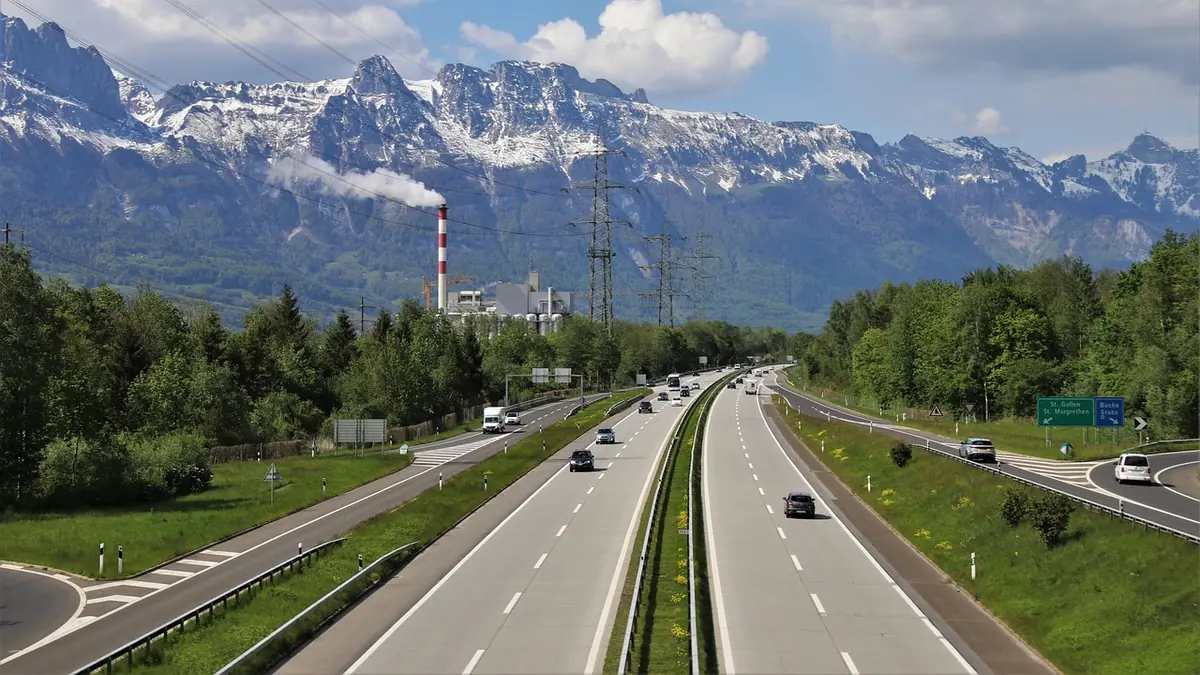
Joint operation between Italy and Switzerland leads to the arrest of eight people accused of running a criminal organization that facilitated the illegal immigration of Turkish citizens into Europe.
Context
In brief
- Eight people arrested for migrant trafficking between Varese and Ticino
- Mainly Kurdish Turkish citizens illegally transferred along the Balkan route
- Coordination between Italian and Swiss police for the operation
Swiss immigration law imposes severe penalties for aiding and abetting illegal immigration. According to Article 116 of the Swiss Code of Obligations, anyone who illegally aids the entry, stay, or work of a foreigner in Switzerland can be punished with imprisonment of up to three years and a fine of up to 45,000 Swiss francs. Furthermore, Article 120 of the same code states that anyone who organizes or directs a criminal organization aimed at aiding illegal immigration can be punished with imprisonment of up to five years and a fine of up to 250,000 Swiss francs.
Operational details
The migrant trafficking issue between Varese and the Ticino region has been a long-standing problem affecting the border area between Italy and Switzerland. The recent operation conducted by the authorities of the two countries has highlighted the need for close collaboration to counter this illegal phenomenon.
In Switzerland, the Ticino canton is particularly affected by migrant trafficking. According to the data from the Department of Security and Justice of the Cantone, in 2020, 2,345 infractions related to migrant trafficking were recorded, with a 17% increase compared to the previous year. Most of these infractions were recorded in the municipalities of Lugano, Mendrisio, and Bellinzona, which host a large community of cross-border workers.
Migrant trafficking represents a threat to the security and public order of both countries. The criminal organizations managing the illegal transfer of people are often involved in other illicit activities, such as drug trafficking and smuggling. Furthermore, the phenomenon of migrant trafficking has a significant impact on the lives of cross-border workers who live and work in border areas. The presence of irregular migrants can create social tensions and increase pressure on public services.
Close collaboration between the authorities of the two countries is therefore essential to ensure the security and tranquility of people living and working in these areas. Swiss and Italian authorities have already launched several joint initiatives to counter migrant trafficking. For example, in 2016, the Joint Analysis and Information Centre (CAI) was established between the Ticino cantonal police and the Varese Questura. The CAI is responsible for collecting, analyzing, and sharing information related to migrant trafficking and the activities of criminal organizations operating in the border area.
In addition, Switzerland introduced a new asylum law in 2016, which provides for harsher penalties for migrant traffickers. The law provides fines of up to 15,000 Swiss francs and imprisonment of up to five years for those who organize migrant trafficking. The law was introduced to counter the phenomenon of migrant trafficking and to protect migrants themselves from the criminal organizations that exploit them.
However, the fight against migrant trafficking requires close collaboration between authorities and greater awareness among the population. Here are some operational checklists that could be useful in combating migrant trafficking:
- Continuously monitor migrant flows and the activities of criminal organizations operating in the border area.
- Share information and data between the authorities of the two countries to improve the effectiveness of joint operations.
- Raise awareness among the population about the risks of migrant trafficking and the ways to report suspicious activities.
- Strengthen controls along the borders and at border crossing points.
- Collaborate with organizations and NGOs working in the field of migrant trafficking.
The fight against migrant trafficking requires a coordinated effort from all stakeholders involved. By working together, we can ensure the security and tranquility of people living and working in border areas and prevent the exploitation of migrants by criminal organizations.
📊💡⚠️ Key statistics:*
- 2,345 infractions related to migrant trafficking were recorded in the Ticino canton in 2020.
- The number of infractions increased by 17% compared to the previous year.
- Most of the infractions were recorded in the municipalities of Lugano, Mendrisio, and Bellinzona.
Joint initiatives:*
- The Joint Analysis and Information Centre (CAI) was established between the Ticino cantonal police and the Varese Questura in 2016.
- Switzerland introduced a new asylum law in 2016, which provides for harsher penalties for migrant traffickers.
Recommendations:*
- Continuously monitor migrant flows and the activities of criminal organizations operating in the border area.
- Share information and data between the authorities of the two countries to improve the effectiveness of joint operations.
- Raise awareness among the population about the risks of migrant trafficking and the ways to report suspicious activities.
- Strengthen controls along the borders and at border crossing points.
- Collaborate with organizations and NGOs working in the field of migrant trafficking.
Conclusion:*
The fight against migrant trafficking requires a coordinated effort from all stakeholders involved. By working together, we can ensure the security and tranquility of people living and working in border areas and prevent the exploitation of migrants by criminal organizations.
In conclusion, the Ticino canton is particularly affected by migrant trafficking, and the authorities of the two countries must work together to counter this illegal phenomenon. By sharing information, raising awareness, and strengthening controls, we can prevent the exploitation of migrants and ensure the security and tranquility of people living and working in border areas.
Sources:*
- Department of Security and Justice of the Cantone of Ticino.
- Swiss Federal Office for Migration.
- International Organization for Migration.
Related articles:*
- The impact of migrant trafficking on cross-border workers.
- The role of criminal organizations in migrant trafficking.
- The importance of close collaboration between authorities in combating migrant trafficking.
Useful tools to protect your net income
To reduce FX leakage, compare CHF-EUR exchange options and banks for cross-border workers.
Key points
The trafficking of migrants between Varese and Ticino is a pressing issue for cross-border workers who commute to Switzerland and live in Italy. It's crucial to be aware of the risks associated with this phenomenon and the measures taken by authorities to combat it.
In Switzerland, migrant trafficking is a criminal offense punishable by the Swiss Criminal Code. According to data from the Federal Department of Justice and Police, 175 investigations were opened in 2020, marking a 20% increase from the previous year. In Italy, migrant trafficking is punishable by the Italian Criminal Code and Law 189 of 1998, which imposes severe penalties for those who exploit migrant labor under exploitative conditions.
Cross-border workers commuting to Switzerland and living in Italy should stay informed about the risks related to migrant trafficking and the measures taken by authorities to tackle this issue. It's recommended to follow local news and maintain contact with relevant authorities to stay informed about potential security threats and how to protect oneself.
In case of problems or concerns, cross-border workers can contact the assistance service offered by local authorities. In Switzerland, the assistance service for cross-border workers is provided by the Federal Office for Migration, which offers information and advice on cross-border employment issues. In Italy, the assistance service is provided by the Prefectures, which offer information and advice on cross-border employment and security issues.
To protect oneself from the risks associated with migrant trafficking, it's important to follow some simple rules. First, avoid providing personal information to strangers, such as one's address or phone number. Additionally, avoid accepting work from unknown individuals or companies. Always verify the identity and reputation of those offering work and insist on a written contract.
It's also important to be aware of one's rights and duties as a cross-border worker. In Switzerland, cross-border workers have the right to the same wages and working conditions as Swiss workers, according to the 1999 Convention on the Free Movement of Persons signed between Switzerland and the European Union. In Italy, cross-border workers have the right to the same wages and working conditions as Italian workers, according to Law 92 of 2012.
Lastly, it's important to report any suspicious activity to the relevant authorities.
Compare the CHF/EUR exchange rate in real time across providers: save up to 1.5% on monthly transfer fees.
Source: tvsvizzera.it
Frequently Asked Questions
- What is migrant trafficking?
- Migrant trafficking is an illegal activity that involves transporting people across national borders without the consent of the competent authorities. It often involves the use of illegal means of transport and the payment of sums of money to traffickers.
- What are the consequences of migrant trafficking for cross-border workers?
- Migrant trafficking can pose a threat to the security and public order of border areas, with consequences for the daily life of cross-border workers who work and live in these areas. Furthermore, the phenomenon can have an impact on the local economy and on job safety.
- What can I do as a cross-border worker to protect myself from migrant trafficking?
- As a cross-border worker, it is important to be aware of the risks associated with migrant trafficking and to follow local news to be informed about the measures taken by the authorities to combat this phenomenon. In case of problems or concerns, you can contact the cross-border worker assistance service offered by the local authorities.
Related articles
- All articles: Safety and crime
- Traffico di droga: sei arresti tra Svizzera ed estero
- Operazione Upriver: 7 arresti per pedopornografia, uno nel Varesotto
- A Chiasso apre ‘Dagatrà’: un nuovo spazio per i migranti
- Martina Bonalumi: doppio podio internazionale nell'otto
- Cultura, soldi, infiltrazioni criminali: Ticino e Grigioni