Living in Villadossola and working in Ticino as a border worker
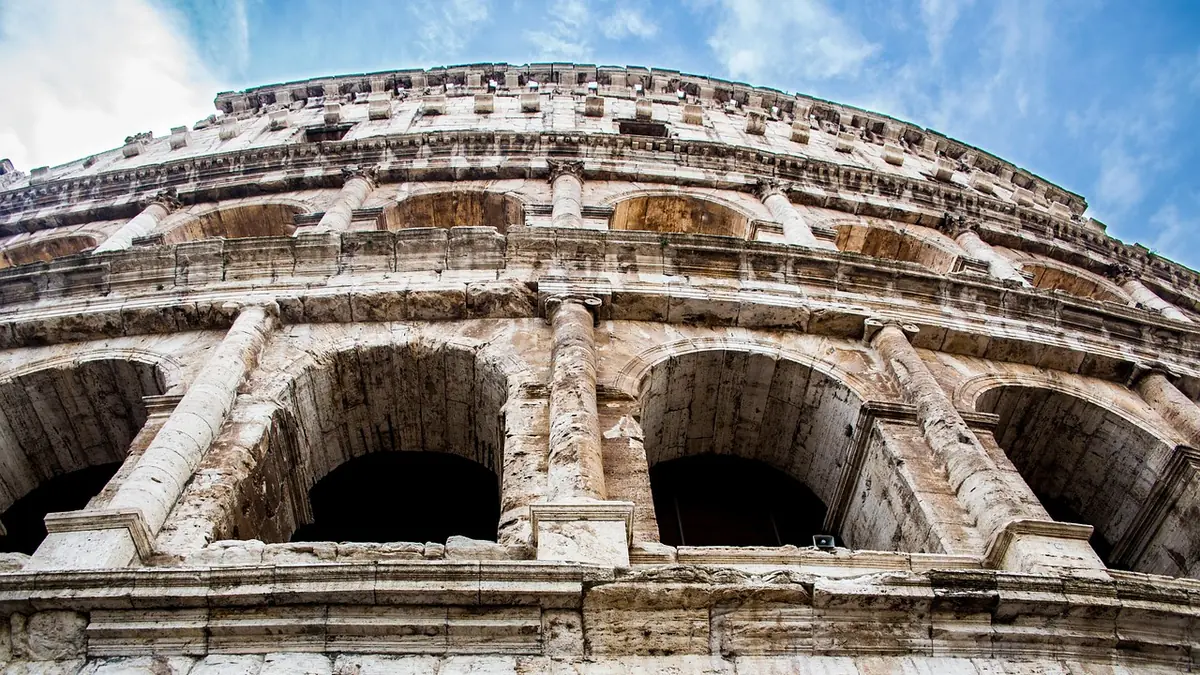
Complete guide for those who choose Villadossola: taxation, new agreement, costs and obligations for border workers in Ticino.
Context
In a nutshell
- New Frontier Agreement in force from 1 January 2024.
- Withholding tax withheld in Switzerland, tax credit in Italy.
- Tax exemption of 10,000 euros for new frontier workers.
Key facts
- What: Border tax regime
- When: From 1 January 2024
- Where: Canton of Ticino and border municipalities
- Who: Revenue Agency and AFC
- Amount: Deductible 10,000 euros for new frontier workers
Moving to Villadossola for those working in Switzerland requires careful planning, based on recent regulations governing the cross-border labour market. The New Frontier Agreement, signed on 23 December 2020 and ratified by Law 83 of 13 June 2023, entered into force on 1 January 2024. This regulatory framework defines the ways in which workers residing in Italy, employed in Canton Ticino, must manage their tax position. Switzerland, not being a member of the EU or EEA, applies specific rules for work permits, such as the G Permit, which is issued to the competent Swiss authorities.
Taxation between Italy and Switzerland
The taxation of labour income follows the principle of tax at source, which is withheld directly in Switzerland. To avoid double taxation, as established by the Convention of 9 March 1976, the worker must make use of the tax credit, indicated in the EC framework of the Italian tax return (730). It is essential
Operational details
Analyzing the choice to live in Villadossola implies considering the costs and procedures established by the Swiss system. Social contributions, such as AVS, AI, and IPG, amount to 5.3% for the employee. In addition to these, there is unemployment insurance (AD/AC) at 1.1% (with a maximum cap on a salary of 148,200 CHF), accident insurance (LAINF) which varies between 0.7% and 1.5%, and the occupational pension scheme (LPP) which fluctuates between 7% and 18% based on the age bracket, starting from age 25.
Healthcare management
Regarding healthcare, cross-border commuters holding a G Permit have the right of option for LAMal, the Swiss health insurance. It is essential to understand that this is not a tax, but a mandatory insurance with deductibles that vary from 300 to 2,500 CHF for adults. Managing these aspects, together with CHF/EUR currency exchange planning, represents an integral part of a cross-border commuter's life. Compared to the past, the regulatory clarity introduced with the new agreement allows residents of Villadossola to have a clearer view of their net salary, avoiding surprises related to double taxation if the declaration procedure is followed correctly.
Commuting to border crossings, such as Brogeda or other customs points, requires constant awareness of traffic flows. Although Villadossola requires significant travel times, the quality of life in this area is often evaluated by those seeking a balance between the job opportunities offered by the Canton of Ticino and the cost of living in Italy. The cost of living assessment between the two nations is a useful tool for those who need to plan their family budget. It is always recommended to monitor official communications from bodies such as SECO or cantonal administrations for any regulatory updates.
Useful planning tools
To estimate your pension strategy, use the pension planner and the pillar 3 simulator.
Key points
For those deciding to settle in Villadossola, the bureaucratic procedure requires attention. The first step is the correct management of the G Permit with the Canton Ticino authorities. Subsequently, it is essential to monitor your contribution status. Regarding social security, the second pillar (LPP) and the third pillar represent savings options that every worker should explore to ensure future stability. You can use the tax calculator to get an estimate of the taxes due and better understand the impact of the tax credit on your payslip.
Operational Checklist
1. Verify your cross-border worker status (old or new) to apply the correct allowance. 2. Obtain the G Permit and keep an updated copy. 3. Enroll in LAMal insurance or evaluate exemption options based on current regulations. 4. Correctly fill out the 'quadro CE' of the 730 tax form to avoid double taxation. 5. Monitor payroll deductions (AHV, LPP, UVG) to verify compliance with cantonal and federal laws.
Managing your career in Switzerland is not limited to salary alone, but includes a deep understanding of social security and tax rights. Those working in Ticino can benefit from careful financial planning, using CHF to EUR comparison tools to best manage their income. Please note that tax rates are established by federal and cantonal laws, administered by the Federal Tax Administration (FTA), and not by statistical bodies such as the FSO or social security offices like the FSIO. To learn more about pension and social security topics, you can consult the guides dedicated to the second and third pillar.
Frequently Asked Questions
- What is the difference between old and new frontiersmen?
- The 'old' frontier workers are those who worked in Switzerland before 17 July 2023. They enjoy a transitional regime until 2033 with a tax exemption of 7,500 euros. The 'new' frontier workers, hired after that date, have a deductible of 10,000 euros.
- How do you avoid double taxation?
- The border worker pays the tax at source in Switzerland. To avoid double taxation, you must declare income in Italy (EC framework of 730) and claim the tax credit for taxes already paid in Swiss territory, according to the rules of the Convention of 9 March 1976.
- What is the LAMal for a border crossing?
- LAMal is Switzerland's compulsory health insurance. Border workers in possession of a G Permit have the right of option, being able to choose whether to sign it. Adult deductibles range from CHF 300 to CHF 2,500.