Malles Venosta and Grisons: border tax 2024 (cross-border guide)
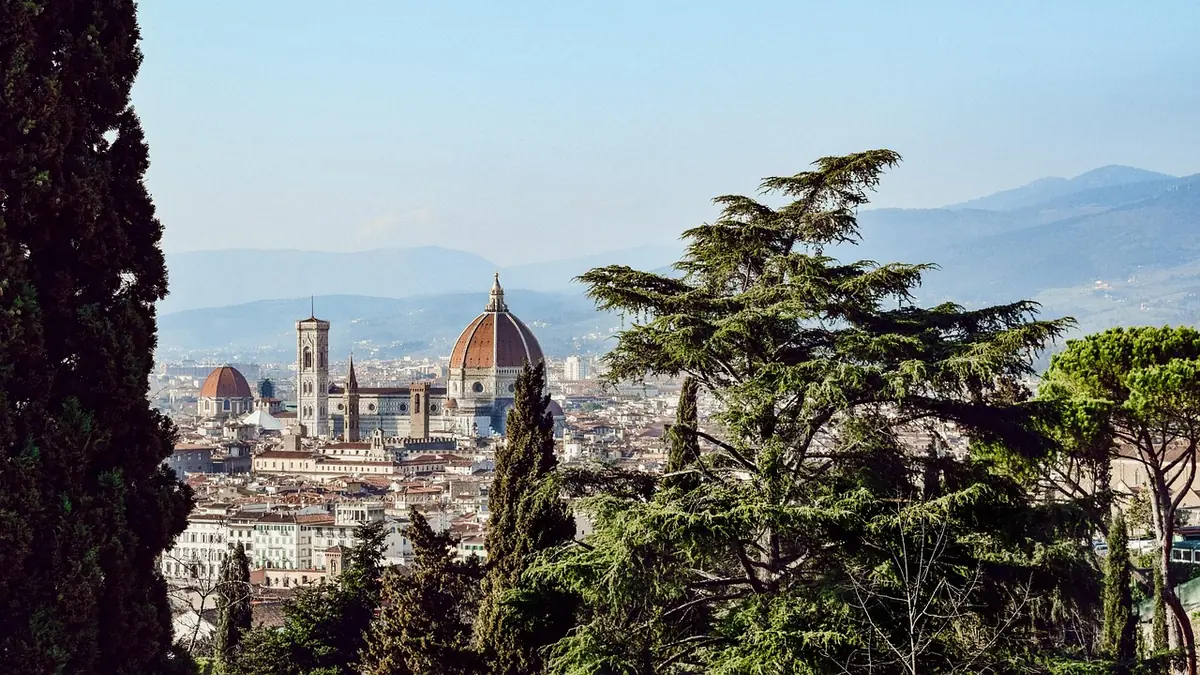
From 1 January 2024, the New Frontier Agreement modifies taxation and permits. Discover tax at source, deductibles, AVS and LAMal for those who live in Val Venosta and work in Switzerland.
Context
In brief
- New Cross-Border Agreement effective from 1 January 2024
- Allowance €7,500 (old cross-border workers) or €10,000 (new)
- Withholding tax deducted ONLY in Switzerland
- AVS contributions: 5.3% from the Swiss paycheck
Key facts
- What: New cross-border tax regime with annual allowances
- When: Effective from 1 January 2024
- Where: Italy-Switzerland, Vinschgau–Grisons
- Who: Cross-border workers classified according to the CH-IT agreement of 23 December 2020
- Allowance: €7,500 transitional regime 2024–2033; €10,000 new cross-border workers
- Treatment: Swiss withholding tax + Italian tax credit
- Permit: Cross-border G permit (Switzerland) + INPS registration
The New Cross-Border Agreement, signed on 23 December 2020 and effective from 1 January 2024, represents a significant change for those living in Vinschgau and working in Grisons. The agreement introduces a system of tax allowances that reduces the tax burden for cross-border workers: cross-border workers already registered before 17 July 2023 benefit from an annual exemption of €7,500 with a transitional regime until 2033, while new cross-border workers are entitled to an allowance of €10,000. This mechanism applies to gross employment income, modifying the calculation of Swiss withholding tax.
For those living in Mals or other locations in Vinschgau and working in Switzerland, the key question is where the tax is calculated: exclusively in Switzerland, not in Italy. The Swiss paycheck is subject to a withholding tax calculated by the employer according to the cantonal rates (in this case, Grisons), applying the annual allowance provided by the new agreement. There is no double taxation because Italy recognizes the tax credit through the CE section of the 730 model: the cross-border worker can recover what was paid in Switzerland.
…
Operational details
How the Swiss frontier paycheck works
The paycheck of a border worker working in Graubünden contains several withholding items. First, the tax at source: it is calculated using the federal and cantonal rates applicable in Graubünden, subtracting the annual deductible (€7,500 or €10,000 depending on the category). After taxes, the paycheck is subject to mandatory Swiss contributions. AVS (Old Age and Survivors Insurance) and AI (Disability Insurance) are retained at 5.3%, while IPG (Loss of Earnings Allowance) adds a small amount. For contributors aged 25 and over, the pension fund (LPP, second pillar) has rates between 7% and 18% depending on the age group, with the contribution divided between employee and employer (the employee pays a share on the paycheck). Occupational accident insurance (LAINF) is mainly borne by the employer, but a very small portion (0.7-1.5%) can appear in the envelope. The contribution to the AD/AC (Unemployment Insurance/Wage Advance) is 1.1% up to a ceiling of CHF 148,200.
These contributions are not taxes, but payments to Swiss social funds. Italy does not dispute them: the border worker who returns to Italy at the end of his career will have accumulated Swiss AVS/AI rights registered with INPS, which will be coordinated with the Italian social security system.
Refreshments and double
Useful planning tools
To estimate your pension strategy, use the pension planner and the pillar 3 simulator.
Key points
Transfer procedure and administrative regularization
Those who decide to move to Malles Venosta and work in Graubünden must follow a precise sequence of obligations. The first step is to obtain the G Permit from the competent Swiss authorities (SEM, State Secretariat for Migration): this authorizes the daily or weekly crossing of the border for work purposes. At the same time, you must register with the Italian INPS as an employee abroad to maintain Italian social security rights and ensure the correct communication of contributions paid in Switzerland. It is essential to inform the Swiss employer of your status as a border worker so that you correctly apply the tax exemption on your paycheck.
Another essential element is the choice of health insurance. Border workers have the right of option (LAMal): they can stay in Italy (SSN) with a minimum Swiss integration, or register with a Swiss health insurance fund. The choice of the Swiss LAMal implies deductibles (insurance discoveries) between CHF 300 and CHF 2,500 depending on the product. Many border workers choose the mixed system: basic medical domicile in Italy, integration with Swiss insurance for benefits in Switzerland and for discounts on contributions.
# Transfer Practice Checklist
1. Apply for the G Permit at the municipality of Malles Venosta (immigration office) 2. Register with INPS as a border crossing with
Frequently Asked Questions
- What is the difference between the deductible of €7,500 and that of €10,000?
- Those who were already registered as border workers before 17 July 2023 benefit from an exemption of €7,500 per year (transitional regime from 2024 to 2033). New frontier workers, on the other hand, are entitled to a deductible of €10,000 per year from the first year of employment. Both deductibles apply to gross income on the Swiss paycheck, reducing the tax base of the tax at source.
- If I work in Graubünden but live in Malles Venosta, do I pay taxes in Switzerland or Italy?
- You pay taxes exclusively in Switzerland via withholding tax on your paycheck. Italy does not apply IRPEF on this income. However, you must submit the Italian Form 730 including the EC framework to report the Swiss tax paid and obtain the tax credit (rebate). The Italy-Switzerland Convention of 9 December 1976 provides that income from employment is taxed in the State where the work is carried out.
- What are AVS contributions and how do they work?
- The AVS (Old Age Insurance) and the AI (Disability) are retained by the Swiss employer at 5.3% of the gross paycheck. These contributions are not taxes, but payments to a mandatory Swiss pension fund. The AVS annuity is calculated on the basis of contributions paid in Switzerland. If you have also paid contributions to the Italian INPS, the periods are coordinated (the Agreement provides for cumulation) and the total income is paid by the institutions of both countries in proportion to the contr
- How does health insurance work for border workers in Graubünden?
- Border workers have the right of LAMal option: they can maintain their registration with the Italian National Health Service, or choose a Swiss sickness fund. If they choose the Swiss LAMal, the deductibles (insurance discoveries) range from CHF 300 to CHF 2,500 per year depending on the plan chosen. Many border workers choose a hybrid solution: a general practitioner in Italy with Swiss integration for the services provided in Switzerland during work.
- What documents are needed to obtain the G Permit?
- The G Permit is requested at the immigration office of the municipality of residence in Italy (Malles Venosta). You need: passport or identity document, employment contract signed by the Swiss employer, a letter of employment specifying the period of validity, proof of sickness insurance coverage and, if possible, a letter from the employer confirming the status of border worker. The Swiss authorities (SEM) process the application and the Permit is generally valid for set periods (usually year b