Living in Mozzate and working in Ticino as a border worker
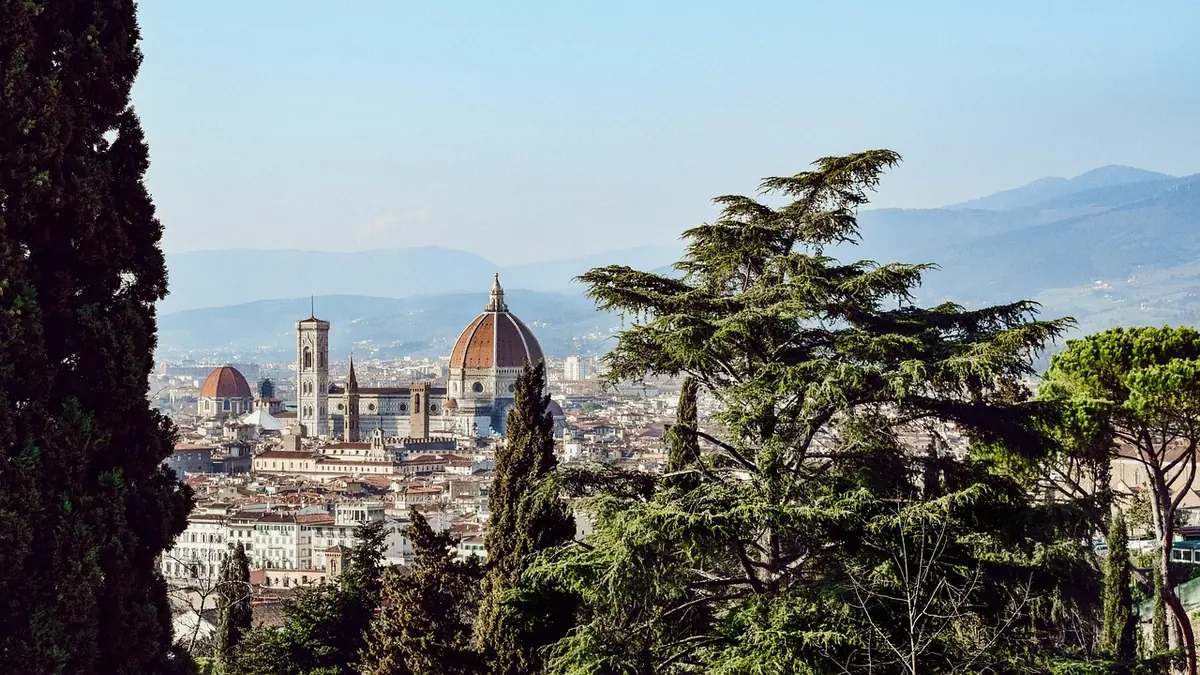
Practical guide for those who choose Mozzate as a residence working in the Canton of Ticino: taxes, mobility and the new agreement on border workers.
Context
In a nutshell
- The new border guards agreement is in force from 1 January 2024.
- Italy avoids double taxation through the 730 tax credit.
- New frontier workers enjoy a tax exemption of 10,000 euros.
- Tax at source is only withheld in Switzerland.
Key facts
- What: Border tax regime
- When: From 1 January 2024
- Where: Canton of Ticino and Italy
- Who: Federal Tax Administration
- Amount: Deductible 10,000 euros for new frontier workers
Moving to Mozzate for those embarking on a career in the Canton of Ticino is a choice that requires a deep understanding of the current regulatory framework. From 1 January 2024, the new agreement on border workers, signed on 23 December 2020 and ratified in Italy with Law 83 of 13 June 2023, permanently regulates cross-border employment relations. For workers, taxation takes place exclusively in Swiss territory through the system of tax at source, managed by the Swiss authorities. Italy, in order to avoid double taxation phenomena, allows taxpayers to assert the tax credit within the EC framework of model 730, in compliance with the convention against double taxation signed on 9 March 1976. The transitional regime applicable to 'old border workers', i.e. those who worked in Switzerland before 17 July 2023, provides for a specific exemption of 7,500 euros, extended in
Operational details
Practical analysis of taxation and contributions
The life of the border worker residing in Mozzate is constantly intertwined with the dynamics of the Swiss paycheck. Understanding withholding is essential to assessing your actual net income. In addition to the tax at source, the worker must consider the payment of social security contributions, which include the LPP, occupational pension, whose rates vary between 7% and 18% depending on the age group, with an obligation to join starting from the age of 25. Compared to the pre-2024 situation, the new agreement introduced greater clarity, although it requires constant attention to the compilation of the Italian tax return. The tax credit system is the pillar that prevents double taxation, but requires the taxpayer to be meticulous in keeping the certifications issued by the Swiss employer. With regard to LAMal, the compulsory health insurance, frontier workers in possession of the G permit enjoy the so-called right of option. The choice of the deductible, which varies between CHF 300 and CHF 2,500 for adults, directly affects the monthly premium to be paid. It is an aspect that shifts the financial burden according to the frequency of use of health services. Compared to the past, the management of health insurance has become a central element in the family budget, especially for those who have a family at
Useful planning tools
To estimate your pension strategy, use the pension planner and the pillar 3 simulator.
Key points
Procedure for the new cross-border worker
The bureaucratic process for those who choose to work in Ticino starting from Mozzate begins with the correct management of the G work permit. This document is the title that authorizes work activity in Switzerland for non-residents. Once hired, the employer initiates the procedures with the competent cantonal authorities. It is essential that the worker verifies the correct application of the source tax deductions in a timely manner, as this will be the basis for calculating the final tax impact in Italy. The documentation to be presented annually to the Revenue Agency must be complete and up-to-date to allow for correct recognition of the tax credit. It is highly recommended to keep an orderly record of all pay slips received in Switzerland, as they represent the documentary proof of income and taxes already paid to the Confederation. For those who commute daily, knowledge of the routes and average travel times to the main Ticinese work poles, such as Lugano or Mendrisio, is essential. The border crossings, including Brogeda, represent critical nodes where traffic can experience significant slowdowns during peak hours. Planning the trip and knowing the alternative mobility options can reduce the stress related to daily commuting. Regarding financial management, opening a Swiss franc bank account can facilitate the receipt of salary and management of expenses on site. The tools available on the portal allow for detailed analysis of how the different tax and pension variables influence the specific pay slip. We invite readers to use our salary calculator to obtain a realistic projection of their net income, considering the current tax rates and compulsory Swiss pension contributions. Correct preparation, combined with knowledge of the current regulations, is the key to a serene and productive cross-border work experience.
Frequently Asked Questions
- What are the tax rates applied to border workers in Switzerland?
- Tax at source is established by federal and cantonal laws, administered by the Federal Tax Administration (FTA). Rates vary based on the worker's income and family situation. It is the employer who withholds the amount directly from the monthly paycheck, then pays it to the competent cantonal authority, which regulates the accounts according to the directives in force.
- How does the €10,000 deductible for new frontier workers work?
- For border workers hired from 1 January 2024, the new agreement provides for a tax exemption of 10,000 euros. This amount does not contribute to the formation of taxable income for income tax purposes in Italy, representing a direct tax benefit. This threshold must be correctly reported in the Italian tax return to avoid excessive taxation on income received in Switzerland.
- What should the border guard do to avoid double taxation?
- The border worker must declare the income received in Switzerland to the Italian Revenue Agency, entering it in form 730. To avoid double taxation, the taxpayer must assert the tax credit, which allows to subtract the taxes already paid at source in Switzerland from the taxes due in Italy, in accordance with the Convention against Double Taxation of 9 March 1976.
Related articles
- All articles: Transport and traffic
- Vivere a Monno e lavorare in Grigioni da frontaliere
- Vivere a Comabbio e lavorare in Ticino da frontaliere: cosa deve sapere e fare
- Vivere a Porlezza e lavorare in Ticino da frontaliere
- Vivere a Besano e lavorare in Ticino da frontaliere
- Lavorare come piastrellista in Ticino: guida per frontalieri