Living in Cadegliano-Viconago and working in Ticino (cross-border guide)
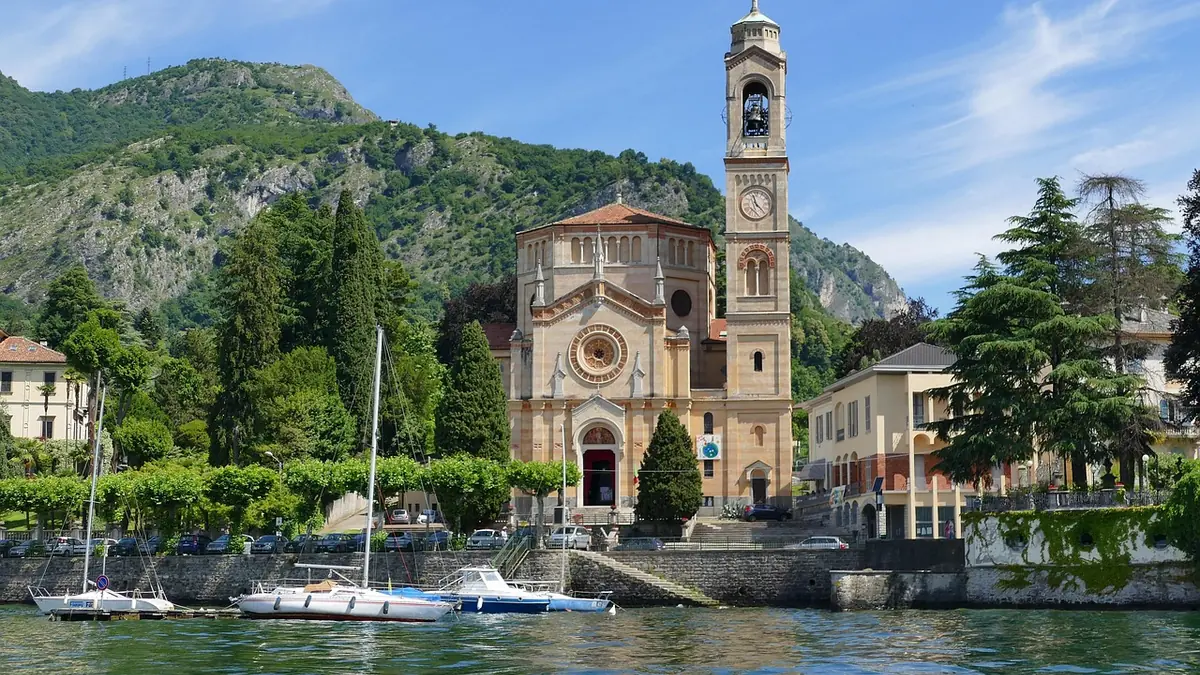
Guide for border workers in Cadegliano-Viconago: tax, transport and advantages of the new tax agreement between Italy and Switzerland in force since 2024.
Context
At a glance
- New Frontier Workers Agreement in force from January 1, 2024.
- Cadegliano-Viconago located just minutes from the Ponte Tresa border crossing.
- IRPEF tax exemption increased to 10,000 euros for new frontier workers.
Key facts
- What: Resident cross-border commuting
- When: In force from 01/01/2024 (Law 83/2023)
- Where: Cadegliano-Viconago (IT) - Canton Ticino (CH)
- Who: Workers with G permit
- Amount: 7,500€ exemption for existing, 10,000€ for new frontier workers
Cadezliano-Viconago represents one of the most strategic residential choices for those intending to pursue a career in the Canton Ticino. Located just a few kilometers from the Ponte Tresa and Cremenaga border crossings, this municipality in the Varese province offers a balance between quality of life and logistical accessibility. The governing regulation for residents in this area is the New Frontier Workers Agreement, signed on December 23, 2020, and officially enacted on January 1, 2024. This date marks a clear distinction between two different tax regimes, regulated nationally by Law 83 of June 13, 2023, which ratified the agreement between Italy and Switzerland.
…
Operational details
Financial management for individuals living in Cadegliano-Viconago and working across the border requires a precise understanding of deductions and taxes. Regarding Swiss social security, various rates administered by the FCA/ESTV and cantonal administrations are applied to the employee's gross salary. The AHV/DI/IP contributions amount to 5.3% borne by the employee, plus unemployment insurance (UC/UCB) at 1.1%, calculated on a maximum ceiling of CHF 148'200. A fundamental element is the second pillar, namely the LPP, whose rate varies between 7% and 18% based on the employee's age bracket, starting from age 25.
Tax and social security management
The withholding tax on employment income is applied exclusively in Switzerland. To avoid double taxation, Italy applies the tax credit mechanism through the CE section of the 730 form, as provided for in the Convention signed on December 9, 1976. Italian IRPEF rates follow specific brackets: 23% up to €28,000, 35% between €28,001 and €50,000, and 43% for income above that.
| Contribution | Employee Rate | Notes |
|---|---|---|
| AHV/DI/IP | 5.3% | Federal social security |
| UC/UCB | 1.1% | Up to CHF 148'200 |
| LPP | 7-18% | Second pillar |
| LAINF | 0.7-1.5% | Occupational accident insurance |
In addition to social security aspects, cross-border workers must consider health insurance management. Based on the right of choice, it is possible to opt between the Swiss LAMal system or remain in the Italian system. Those choosing LAMal can select deductibles ranging from CHF 300 to CHF 2,500 for adults. For an accurate estimate of actual net income, it is recommended to use a net salary calculator updated to current regulations. Accurate tax planning, including proper completion of the tax return, is essential for individuals living in Cadegliano-Viconago operating under the new tax agreement.
Key points
The daily commute from Cadegliano-Viconago to the economic centers of the Canton Ticino, such as Lugano or the Mendrisiotto, is facilitated by the geographical proximity. Those who choose to reside in this municipality can rely on reduced travel times, especially if the place of work is located in the Lugano district. One of the first procedures to be addressed is the request for a G permit, the document issued by the Swiss authorities (SEM) that authorizes cross-border work activity. It is useful to consult a comparator of permits to understand the differences between various types of stay and work.
Frequently Asked Questions
- What taxes does a border worker resident in Cadegliano-Viconago pay?
- The border crossing is subject to a withholding tax exclusively in Switzerland, administered by the cantonal and federal authorities (AFC/ESTV). In Italy, the worker must declare income benefiting from an IRPEF exemption which, according to the New Agreement in force from 1 January 2024, is equal to 10,000 euros for new frontier workers and 7,500 euros for old frontier workers (transitional regime until 2033). Double taxation is avoided through the tax credit in the EC framework of model 730.
- How does LAMal health insurance work for those living in Italy?
- Border workers with a G permit have the right of option: they can choose to insure themselves in Switzerland through LAMal or in Italy through the National Health Service. If you choose the LAMal, you can select different annual allowances for adults, ranging from CHF 300 to CHF 2,500. This choice is binding and must be made within three months of the start of work or change of residence, following the directives of the FOPH/BAG.
- What social security contributions are withheld in Switzerland?
- Contributions for the first pillar (AVS/AI/IPG) equal to 5.3% and for unemployment insurance (AD/AC) equal to 1.1% up to a ceiling of CHF 148,200 are deducted from the gross salary. In addition, for workers over the age of 25, the contribution to the second pillar (LPP) is mandatory, with rates ranging between 7% and 18% depending on age. There are also deductions for non-occupational accident insurance (LAINF) between 0.7% and 1.5%.