Here's where people live the longest. And Ticino is second in Europe.
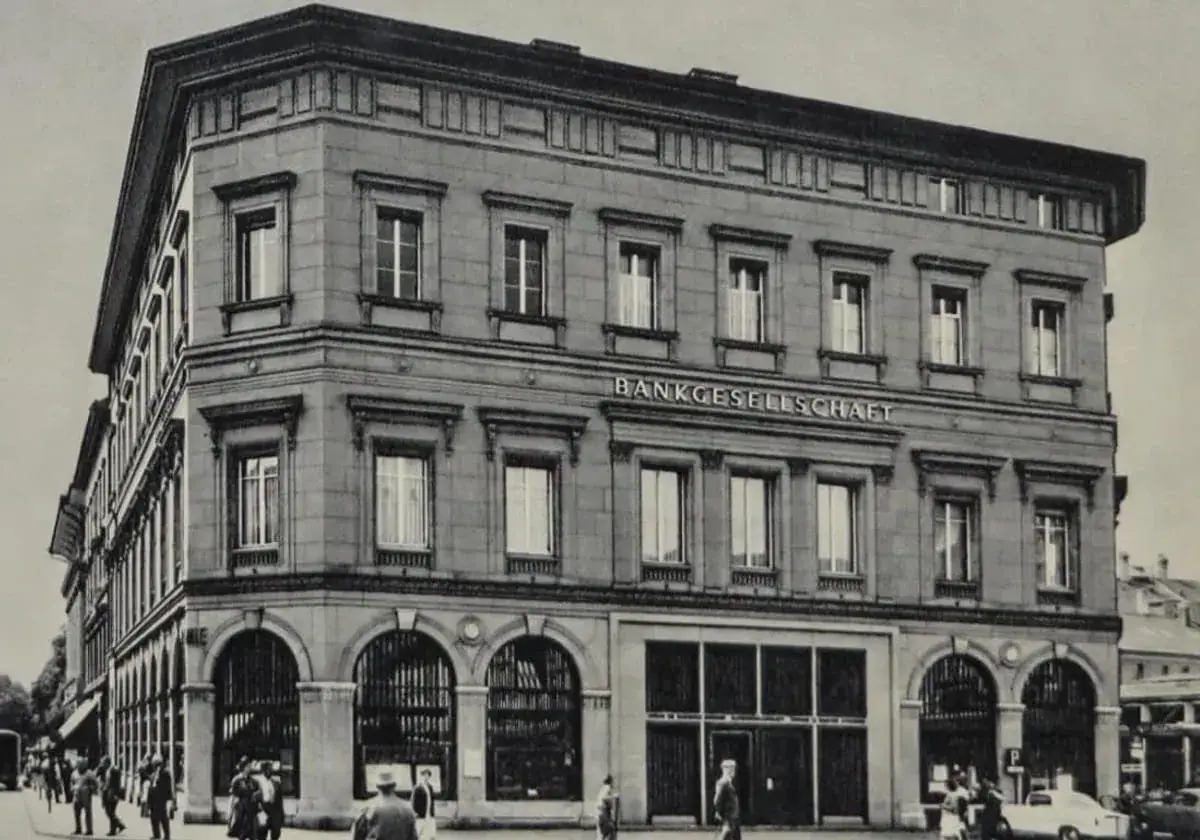
The average life expectancy of Ticinese people is 85.2 years, according to Eurostat statistics.
Context
TL;DR
- Ticino has an average life expectancy of 85.2 years.
- Ticino is the second-longest-lived region in Europe.
- Border crossers face complex laws and difficulties in Ticino.
- Ticino offers a high quality of life and economic opportunities.
Key facts
- Life expectancy: 85.2 years, second-highest in Europe.
- Border crossings: Brogeda and Gaggiolo are key border crossings.
- Mendrisio tariff: 7 CHF for border crossings to discourage illegal crossings.
- Chiasso tariff: 5 CHF for border crossings, over 700 requests received.
- Border crossers: Over 190,000 border crossers in Ticino.
- Laws affecting border crossers: Laws on borders, border zones, and border crossing tariffs.
- Health tips for longer life: Balanced diet, regular exercise, stress management, and regular medical check-ups.
- Health services: Service of Coordination and Management of Treatments (SCGT) at Lugano regional hospital.
BELLINZONA - The average life expectancy of Ticinese people is 85.2 years, according to Eurostat statistics. Ticino is the second-longest-lived region in Europe, surpassed only by the Community of Madrid. This is the wake-up call for those who want to live longer, a principle of a healthier and longer life. One of the reasons why the region is important is precisely the fact that Ticino is one of the most beautiful places to live in the world. This is not just a matter of taste or leisure, but also of Economy, and thanks to this, Ticino is a central region with the border crossings of Brogeda and Gaggiolo. By the way, Ticino is a place where living in the beginning of life is not enough, but must be accompanied by a good observation of everyday life. The municipality of Mendrisio was the first to introduce a tariff of 7 CHF for those who cross the border crossing. This was done to discourage border crossings of illegal border crossings. An example of this is the municipality of Chiasso, where border crossers had to pay a tax of 5 CHF for crossing the border. This is the first region to be considered for the future. The municipality of Chiasso has received over 700 requests for the introduction of the tariff. This is not an exaggerated number if you think that in Ticino there are more than 190,000 border crossers. This is the reason why many border crossers do not want to leave Ticino. There are also laws in Ticino that affect border crossers, such as the law on borders, the law on border zones, and the law on border crossing tariffs. This is the law that regulates border crossing tariffs, and it becomes higher every year. But how do border crossers live in Ticino? How do border crossers live in Ticino? What are the problems they face? These are some of the reasons why the life of border crossers in Ticino is important. The life of border crossers in Ticino is one of the most complex and difficult among those of European countries. This is due to many factors, including the complexity of the laws, the difficulty of crossing the border, the lack of information, and the fear of not being able to live in the country they want. This is the reason why it is important to know the life of border crossers in Ticino, and how they can be helped. The municipality of Chiasso has received over 700 requests for the introduction of the tariff. This is not an exaggerated number if you think that in Ticino there are more than 190,000 border crossers. This is the reason why many border crossers do not want to leave Ticino. Border crossers in Ticino live a difficult and complicated life. The complexity of the laws, the difficulty of crossing the border, the lack of information, and the fear of not being able to live in the country they want are just some of the reasons why the life of border crossers in Ticino is important. This is the reason why it is important to know the life of border crossers in Ticino.
Operational details
The average life expectancy of Ticinese people is 85.2 years, according to Eurostat statistics. Ticino is the second-longest-lived region in Europe, surpassed only by the Community of Madrid. This is the wake-up call for those who want to live longer, a principle of a healthier and longer life. One of the reasons why the region is important is precisely the fact that Ticino is one of the most beautiful places to live in the world. This is not just a matter of taste or leisure, but also of Economy, and thanks to this, Ticino is a central region with the border crossings of Brogeda and Gaggiolo. By the way, Ticino is a place where living in the beginning of life is not enough, but must be accompanied by a good observation of everyday life. The municipality of Mendrisio was the first to introduce a tariff of 7 CHF for those who cross the border crossing. This was done to discourage border crossings of illegal border crossings. An example of this is the municipality of Chiasso, where border crossers had to pay a tax of 5 CHF for crossing the border. This is the first region to be considered for the future. The municipality of Chiasso has received over 700 requests for the introduction of the tariff. This is not an exaggerated number if you think that in Ticino there are more than 190,000 border crossers. This is the reason why many border crossers do not want to leave Ticino. There are also laws in Ticino that affect border crossers, such as the law on borders, the law on border zones, and the law on border crossing tariffs. This is the law that regulates border crossing tariffs, and it becomes higher every year. But how do border crossers live in Ticino? How do border crossers live in Ticino? What are the problems they face? These are some of the reasons why the life of border crossers in Ticino is important. The life of border crossers in Ticino is one of the most complex and difficult among those of European countries. This is due to many factors, including the complexity of the laws, the difficulty of crossing the border, the lack of information, and the fear of not being able to live in the country they want. This is the reason why it is important to know the life of border crossers in Ticino, and how they can be helped. The municipality of Chiasso has received over 700 requests for the introduction of the tariff. This is not an exaggerated number if you think that in Ticino there are more than 190,000 border crossers. This is the reason why many border crossers do not want to leave Ticino. Border crossers in Ticino live a difficult and complicated life. The complexity of the laws, the difficulty of crossing the border, the lack of information, and the fear of not being able to live in the country they want are just some of the reasons why the life of border crossers in Ticino is important. This is the reason why it is important to know the life of border crossers in Ticino.
Useful tools to protect your net income
To reduce FX leakage, compare CHF-EUR exchange options and banks for cross-border workers.
Key points
To live longer in Ticino, it is advisable to follow some tips. Firstly, it is essential to have a balanced and rich diet in fruits and vegetables. It is also essential to engage in regular physical activity and not smoke. Furthermore, it is essential to manage stress and the pressures of our days, and to do this, it is essential to have a good sleep. It seems a bit obvious, but it is very important. Finally, it is essential to visit the family doctor regularly for checks and consultations. This is very important to prevent serious diseases and to prevent their occurrence. For this, you can contact your family doctor or the Service of Coordination and Management of Treatments (SCGT) at the regional hospital of Lugano. This service is available to all and offers a wide range of services, including consultations, surgical interventions, rehabilitation treatments, and much more.
For a precise calculation of your net salary as a cross-border worker, use our comparator: the most complete tool to compare your take-home pay between G and B permits, with all tax and social deductions updated to 2026.
Frequently Asked Questions
- How many cross-border commuters live in Ticino according to estimates?
- It is estimated that more than 190,000 cross-border commuters live in Ticino, although this number may be lower due to a lack of information.
- What is the impact of the border crossing fee on cross-border commuters' decisions to live in Ticino?
- The fare, like that of 7 CHF in Mendrisio or 5 CHF in Chiasso, discourages illegal passages but does not seem to significantly influence the decision to live in Ticino, given the high number of cross-border commuters (over 190,000) who choose to stay.
- What are the main tax advantages for cross-border commuters working in Ticino compared to Italy?
- Cross-border commuters in Ticino benefit from a favourable tax regime, with rates generally lower than in Italy. For example, income taxation can reach 10-15% for cross-border commuters, compared to 20-40% in Italy. In addition, they are not subject to cantonal inheritance tax.
- How does health insurance work for cross-border commuters who work in Ticino but live in Italy?
- Cross-border commuters must register with the Swiss health system (compulsory health insurance) by paying a monthly premium (approx. CHF 300-500). In Italy they are not entitled to public assistance, but they can obtain partial reimbursement of health expenses through the NHS if they present the documentation.
- What documents do I need to cross the border regularly as a Swiss-Italian cross-border commuter?
- You need an employment contract or a declaration from your Swiss employer, a valid identity document (identity card or passport), and the registration form for the border system (issued by the Ticino authorities). It is mandatory to register with the municipality of residence in Ticino.