Living in Inverigo, working in Ticino: border guide
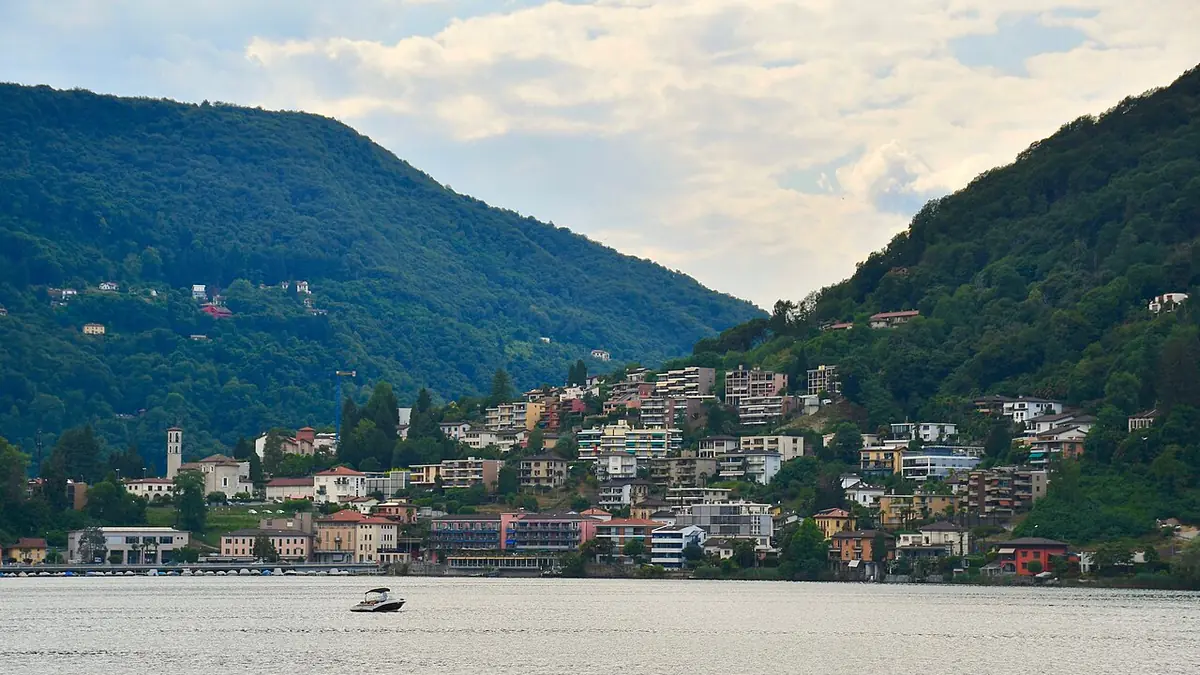
Distance, taxation, G permit, LAMal and costs: everything you need before moving to Inverigo working in Ticino as a border worker.
Context
In a nutshell
- Inverigo (Como) a few km from the Ticino border: direct connection to the crossings
- Tax at source withheld only in Switzerland; refunds by Italian declaration 730
- G Permit, LAMal with option right, Swiss AVS/LPP with INPS integration
Key facts
- What: Living in Inverigo (Lombardy) and working in Ticino with G border permit
- Where: Inverigo, province of Como — Canton of Ticino, Switzerland
- Tax Agreement: New Frontier Agreement, in force from 1 January 2024 (signed 23 December 2020)
- Tax at source: Withheld by the Swiss employer, tax credit in Italian declaration
- Deductibles: Old frontier workers (pre 17/7/2023): exemption €7,500 transitional regime 2024–2033; new frontier workers: €10,000
Inverigo, a municipality in the province of Como in Lombardy, is strategically positioned for those who want to live in Italy while maintaining a stable job in Ticino. The proximity to the Swiss border — connected by the Brogeda, Chiasso and Gaggiolo crossings — makes this solution viable for professionals and frontier workers looking for a balance between housing costs and work opportunities across borders.
Border taxation follows a well-established principle: income tax at source is exclusively withheld in Switzerland by the employer. Italy recognises this payment through the tax credit, regulated in an annual declaration (form 730, EC framework).
Operational details
Balanced taxation: how the Italian-Swiss system works
The frontier taxation for those living in Inverigo and working in Ticino is structured on two levels. The gross income received in Switzerland is subject to a withholding tax calculated according to the Swiss federal rates, plus contributions for AVS/AI/IPG (5.3% total for the employee), AD/AC (1.1% up to the cap of CHF 148'200), and LAINF (0.7–1.5% depending on the sector). These payments are mandatory and are managed by the employer.
In Italy, the frontier worker declares the gross Swiss income in the model 730 (quadro CE) and applies the ordinary IRPEF rates (23% up to €28'000, 33% for the second bracket €28'001–50'000, 43% for incomes over €50'000). However, the Italian Revenue Agency applies a tax credit for the Swiss withholdings already paid, balancing the overall taxation and avoiding full double taxation. The result is an effective rate that reflects the weighted average between the Swiss and Italian systems.
For old frontier workers (those who had the status before July 17, 2023), the €7'500 exemption in the transitional regime until 2033 mitigates the transition to the new system. New frontier workers benefit from a €10'000 allowance. These exemption margins further reduce the Italian taxable base.
Cost of living: Inverigo vs. Ticino
Lombardy, and in particular the province of Como, offers a significantly lower cost of living compared to Ticino. Rents, food, services, and utilities are on average 20–30% cheaper in Inverigo compared to urban centers in Ticino such as Lugano, Bellinzona, or Locarno. For a family or a single person looking to optimize their monthly budget, this difference is substantial: a rent of CHF 1'200–1'500 in Ticino corresponds to about €800–1'000 in Inverigo.
However, the frontier worker should not forget the commuting costs: Swiss vignette (annual, mandatory to circulate on Swiss roads), fuel for daily trips to the border and to the workplace, and possibly tolls if using the A9 Como-Chiasso and the A2 to reach destinations further north. Check the waiting times at the Brogeda, Chiasso, and Gaggiolo border crossings during peak hours (7–9 am, 5–7 pm), as queues directly impact fuel consumption and quality of life.
Pension contributions and benefits
Swiss payments for AVS (5.3%), AI/IPG (5.3%), AD/AC (1.1%), LAINF (0.7–1.5%), and LPP (Professional Pension, 7–18% depending on age) accredit the frontier worker with rights to Swiss benefits: old-age/invalidity pension according to federal regulations, unemployment benefits (Unemployment Insurance). Italian-Swiss legislation provides for the accreditation of contribution periods in one of the two countries towards the calculation of the overall pension. Your INPS statement automatically integrates the Swiss periods. Check how to integrate contribution periods in both countries for pension calculation through the INPS online services or a consultant.
Useful tools for your case
To verify your within/over 20 km tax scenario, use the net salary calculator and the tax return guide.
Key points
Practical checklist: how to get started
Before moving to Inverigo and starting to work in Ticino as a cross-border commuter, some specific steps are required. Here is the step-by-step procedure.
Step 1: Request for Permit G The residence permit for cross-border commuters (Permit G) is requested to the State Secretariat for Migration (SEM) through the Swiss employer or a specialized agency. The SEM processes the application in coordination with the cantonal authorities (Population Office of the Canton Ticino). The permit is linked to the job and has a multi-year validity. Processing times vary, but they usually take 4–8 weeks. Required documents: identification, employment contract, certificate of no criminal record.
Step 2: Registration with AVS and insurance Once employed, the employer automatically registers the cross-border commuter with the competent cantonal AVS office. The cross-border commuter receives an AVS number (13 digits) used throughout their working career in Switzerland. The employer applies family allowances (if applicable according to the Canton), pays contributions for AVS/AI/IPG/AD/AC/LAINF and LPP according to the current rates, and provides the employee with a monthly payslip indicating all deductions.
Step 3: Choosing LAMal coverage Within 3 months of starting employment, the cross-border commuter chooses whether to enroll with a Swiss LAMal insurer (with a deductible from CHF 300 to CHF 2,500 for adults) or to maintain Italian coverage with INPS with Swiss integration. The choice affects the cost of the premium, deductibles, and the network of healthcare facilities that can be used. Use the LAMal comparison tools to evaluate the options available in your Canton of work.
Step 4: Italian tax declaration and refunds Each year, the cross-border commuter completes the 730 form with the Revenue Agency, a CAF (Tax Assistance Center), or online through the Revenue Agency's Entratel portal. In the CE section (foreign income section), they report: gross income received in Switzerland, withholding tax deductions, amounts paid for AVS and other contributions. INPS verifies the pension integration; the declaration generates refunds (amounts in favor of the cross-border commuter) or payments to settle the overall taxation. Deadline: usually by April 30 of the following year.
Step 5: Financial planning and using the calculator Before moving, calculate the net monthly income in CHF after all Swiss deductions, compare it with the monthly costs in Inverigo (rent, utilities, groceries, transportation), and assess whether the margin is sustainable. Use the cross-border salary calculator to simulate the net monthly income based on your proposed gross salary. Include in the budget: annual Swiss vignette (about CHF 40), estimated fuel for commuting, car insurance, LAMal or INPS (monthly premiums), and a reserve for unexpected expenses.
When the move is worth it: final evaluation
Living in Inverigo and working in Ticino is worth it when: (a) the monthly cost of living in Inverigo, including commuting, is significantly lower than the net income received in CHF; (b) the job in Ticino offers competitive salaries and contractual stability; (c) you are willing to manage daily commuting times (30–60 minutes depending on the Ticino destination). The balanced taxation between the two countries, thanks to the tax credit system and cross-border exemptions, protects income from double taxation.
Final steps: Calculate your net monthly income and compare it with the living costs in Inverigo using the available tools. Verify travel times from the border crossings to your future workplace, consider the quality of life (schools, healthcare, local transportation), and consult a tax advisor to clarify your specific case of transition to the new cross-border regime 2024.
Frequently Asked Questions
- How long does it take to get the G permit?
- The State Secretariat for Migration (SEM) processes G permit applications in coordination with the cantonal authorities of Ticino. On average, the process takes 4–8 weeks from the time the application is submitted through the employer. Times may vary depending on office workload and completeness of documentation. The permit is linked to the workplace and is valid for many years.
- How does the tax return work if I live in Inverigo?
- Every year fill out form 730 at the Revenue Agency (or via CAF/online). In the EC framework, report the Swiss gross income and withholding taxes already paid. Italy applies the tax credit, balancing the taxation between the two countries. Result: an overall taxation equal to the weighted average between Swiss and Italian rates, without full double taxation. Additional benefits for old frontier workers (€7,500 exemption until 2033) and new frontier workers (€10,000 excess).
- Do I need to sign up for LAMal Switzerland or can I keep the INPS?
- The border crossing with G permit has the right of choice. Within 3 months of the start of employment, you can opt to: (a) enroll in a Swiss LAMal insurer (with deductibles from CHF 300 to CHF 2,500 for adults); (b) stay in the Italian INPS system with integration of Swiss coverage. The choice affects the monthly premiums, deductibles and the usable health network. Compare premiums and hedges before you decide.
- What are the travel times from Inverigo to the passes?
- Inverigo is about a 15–25 minute drive from the passes of Brogeda, Chiasso and Gaggiolo. From there to the workplace in Ticino (Lugano, Mendrisio, Bellinzona) times vary from 20 to 45 minutes depending on the specific destination and traffic. During peak hours (7–9 a.m., 5-19 p.m.), queues at crossings can significantly lengthen times. Check the actual conditions through the online traffic services before choosing.
- Do my Swiss AVS contributions count towards the Italian pension?
- Yes. The Italian-Swiss Convention of 9 March 1976 provides for the accreditation of the contribution periods paid in one of the two countries towards the calculation of the total income. Your INPS statement automatically integrates Swiss periods into your pension calculation. Check your statement annually to make sure all periods are recorded correctly at INPS.