Living in Alzate Brianza and working in Ticino
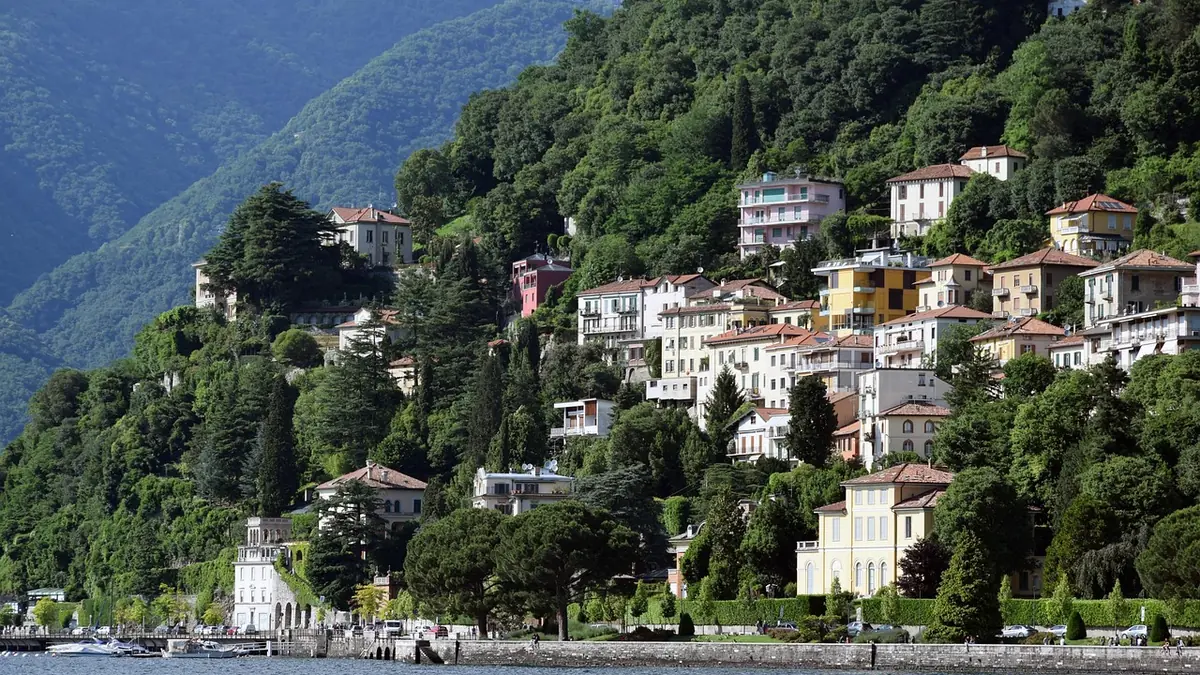
Practical guide for border workers: housing costs, tax regimes, Swiss contributions, G permit, LAMal and checklists before moving as a Ticino worker.
Context
TL;DR
- Alzate Brianza: housing option for cross-border commuters Ticino, costs potentially lower than Swiss municipalities
- The threshold of 10,000 euros of art. 4 of Law 83/2023 concerns exclusively income from employment carried out abroad, in a border area or in a neighboring country, on a continuous and exclusive basis, by persons residing in Italy, referred to in art. 1, paragraph 175, of Law 147/2013; it is not a general exemption or an exemption from Swiss withholding tax.
- KVG: cross-border commuter rights of choice G, deductible CHF 300-2,500 per year
- New Agreement: effective from 1 January 2024, Italian ratification of Law 83 of 13 June 2023
Key facts
- What: Residence in Italy (Alzate Brianza, Lombardy) + work in Switzerland (Ticino)
- For EU/EFTA citizens, the G permit is valid for five years with an open-ended contract or one longer than one year; with a contract lasting longer than three months and less than one year, it is valid for the duration of the contract. For employment of up to three months per calendar year, the G permit is not required: the online notification procedure applies.
- Withholding tax: Withheld in Switzerland, cantonal rates of 5.3%-10%
- New Agreement: Signed December 23, 2020, in force January 1, 2024
- The transitional regime under Art. 9 of the Agreement applies only to those who meet the treaty definition and have worked in the Graubünden, Ticino or Valais between December 31, 2018 and July 17, 2023; the covered employment income is taxed exclusively in Switzerland. In other cases, the ordinary regime applies, with Italian taxation and a credit for Swiss tax. The 10.000 euro under Art. 4 of Law 83/2023 are only the limit for the income referred to in Art. 1, paragraph 175, Law 147/2013, not a general tax-free allowance. AFC fact sheet · Agreement, Art. 9 · Normattiva, Art. 4.
- Swiss contributions: AVS/AI/IPG 5.3%, AD/AC 1.1%, LAINF 0.7%-1.5%, LPP 7%-18% by age bracket
- Double taxation: Italy-Switzerland Convention of March 9, 1976; tax credit, CE section of 730
What it means to live in Alzate Brianza as a cross-border worker
On January 1, 2024, the New Cross-Border Workers Agreement (signed December 23, 2020, ratified by Italy through Law 83 of June 13, 2023) transformed the tax and social-security regime for those who reside in Italy and work in Switzerland. Alzate Brianza, a municipality in the Lombard Brianza area, is an increasingly common housing choice among Italian cross-border workers who work in Ticino. The decision to move entails specific implications governed by the Convention for the avoidance of double taxation (March 9, 1976) and by CH-IT bilateral agreements.
The cross-border worker who resides in Italy and works in Switzerland holds a G Permit, issued by the cantonal authorities through SECO (State Secretariat for Economic Affairs) and SEM (State Secretariat for Migration). The G Permit allows stable residence in Italy and work in Ticino with defined legal protections.
Under the regime in force since January 1, 2024, the transitional regime under Art. 9 of the Agreement applies only to those who meet the treaty definition and have worked in the Graubünden, Ticino or Valais between December 31, 2018 and July 17, 2023; the covered employment income is taxed exclusively in Switzerland. In other cases, the ordinary regime applies, with Italian taxation and a credit for Swiss tax. The 10.000 euro under Art. 4 of Law 83/2023 are only the limit for the income referred to in Art. 1, paragraph 175, Law 147/2013, not a general tax-free allowance. AFC fact sheet · Agreement, Art. 9 · Normattiva, Art. 4. Former cross-border workers remain taxed only in Switzerland (Art. 9 of the 2020 Agreement).
Withholding tax and no double taxation
Withholding tax is withheld ONLY by the Swiss employer, directly through payroll, at cantonal rates between 5.3% and 10% depending on the Canton of Ticino, the income bracket and marital status. There is no double taxation: Italy recognizes the foreign tax credit through Section CE of the annual 730 tax return.
The mandatory Swiss contributions withheld from the employee’s salary are:
- AVS/AI/IPG: 5.3% (old-age, disability and loss-of-earnings insurance)
- AD/AC: 1.1% (unemployment insurance and insolvency compensation, salary cap CHF 148.200)
- LAINF: 0.7%-1.5% (non-occupational accident insurance)
- LPP: 7%-18% depending on the age bracket (from age 25; supplementary pension pillars)
Total deductions for an employed cross-border worker: approximately 14%-26% of gross salary, varying by age and canton.
LAMal and right of option for G-permit cross-border workers
A G-permit cross-border worker has the right to opt for compulsory Swiss health insurance (LAMal, Federal Health Insurance Act). If they opt for LAMal in Switzerland, adult deductibles range from CHF 300 to CHF 2.500 per year, with coverage of 10% of costs up to a maximum of CHF 700 per year per person.
If they remain enrolled in an Italian insurance plan, cross-border coverage is limited and applies mainly in emergencies. The choice depends on income, family situation and medical coverage needs.
Operational details
Advantages and disadvantages of moving to Alzate Brianza
Choosing to live in Alzate Brianza while working in Ticino entails significant pros and cons in terms of quality of life and the monthly budget.
Economic and housing advantages
Lower cost of living: Lombardy (especially Brianza) generally has lower rent, service and utility costs than municipalities in Ticino. For the same floor area and amenities, a home in Alzate Brianza typically costs less than one in Lugano, Bellinzona or Locarno, increasing the purchasing power of the cross-border worker.
Income stability in CHF: Working in Switzerland, the salary is in Swiss francs, a historically stable currency. This protects against euro exchange-rate volatility, although Italian expenses are in euros.
More generous spaces: Properties in Lombardy in areas such as Alzate Brianza offer larger floor areas at a lower cost than in Ticino. A cross-border worker can access larger properties or rentals at a competitive price.
Integration into the Italian administrative system: Schools, public healthcare and administrative services follow the Italian system, making things easier for those with an Italian family or who prefer the Italian pace of life.
Drawbacks related to commuting
Demanding daily commutes: The distance between Alzate Brianza and the work hubs in Ticino (Lugano, Bellinzona, Locarno, Mendrisio) requires daily commuting via border crossings (Chiasso, Brogeda, Gaggiolo, Ponte Tresa) and the A2/A9 motorways. This entails traffic jams, stress, high fuel consumption and accelerated vehicle wear.
Significant fixed costs: Swiss road tax, Swiss motorway vignette (CHF 40/year), car insurance and maintenance. These costs reduce the economic advantage of living in Italy. For a commute of 1.5-2 hours per day, fuel consumption amounts to 40-60 liters per month.
Reduced personal time: Commuting 1-2 hours a day limits time for relationships, hobbies and family commitments. The psychological stress of chronic commuting is not negligible.
Logistical risks at border crossings: Winter snow, accidents, labor protests in neighboring countries (strikes in Italy on A2/A9), and weather-related disruptions can block border traffic and jeopardize regular attendance at work.
Dual administrative management: Italy-Switzerland
The cross-border worker must manage obligations in BOTH countries:
- Italy: Annual 730 tax return with Form CE (foreign income and tax credit), registration with INPS as an employee working abroad, local taxation where applicable, compliance with Italian labor regulations.
- The G permit is valid for five years with a contract longer than one year; with a shorter contract, it lasts as long as the contract.
Errors in filling out forms can have significant consequences: incorrect withholdings, lost tax rebates, loss of social security contributions. Investing in cross-border business consulting is recommended.
Improvements under the 2024 regime
Before January 1, 2024, the tax regime was less transparent regarding tax rebates and allowances. The transitional regime under Article 9 of the Agreement applies only to those who meet the definition under the Agreement and worked in Graubünden, Ticino or Valais between December 31, 2018 and July 17, 2023; the covered employment income is taxed exclusively in Switzerland. In other cases, the ordinary regime applies, with Italian taxation and a credit for Swiss tax. The 10.000 euros under Article 4 of Law 83/2023 are only the limit for the income referred to in Article 1, paragraph 175, Law 147/2013, not a general allowance. AFC factsheet · Agreement, Article 9 · Normattiva, Article 4. However, administrative complexity remains high: the cross-border worker must coordinate with SECO/SEM, the Italian Revenue Agency, INPS and the canton of Ticino.
Useful tools for your case
To practically assess your scenario within/beyond 20 km, use the net salary calculator and the tax return guide.
Key points
Procedure operational: checklist before transfer
Moving to Alzate Brianza as a border worker requires a precise sequence of administrative, fiscal, and pension-related obligations to be initiated at least 2-3 months before the start of work.
Step 1: Permit G and residence (SECO/SEM and INPS)
In Switzerland (SECO/SEM):
1. Contact the SECO/SEM office of the Canton Ticino for the Permit G application.
2. Attach: employment offer from the Swiss employer, identity documents (passport/identity card), proof of residence in Italy, completed forms.
3. The G permit is valid for five years with a contract of more than one year; with a shorter contract it lasts as long as the contract. Request renewal within the prescribed timeframe to avoid legal interruptions.
In Italy (INPS and registry office):
1. Register with the local registry office of Alzate Brianza to establish official residence.
2. Request the Fiscal Code from the Italian Revenue Agency (if not already possessed).
3. Register with the INPS (Italian National Social Security Institute) as a foreign worker. INPS must recognize your contributions paid in Switzerland (AVS/AI) for Italian pension purposes.
Step 2: Health insurance (LAMal or Italian)
1. If choosing Swiss LAMal: Contact a Swiss health insurance provider (through the employer or directly). Provide Italian residence certificate, identity documents. Minimum premium CHF 300/year.
2. If remaining in Italy: Certify with the Italian Revenue Agency that the Italian coverage has cross-border validity. Coverage for Swiss services will be limited (emergencies).
3. Do not leave the transition month between Italian and Swiss registration uncovered.
Step 3: Bank account and tax declaration
1. Swiss bank account: Open an account with a Swiss bank (UBS, Raiffeisen, transfrontalier institutes) if the employer does not pay through a company account. Provide identity, Italian residence, Permit G.
2. Annual tax declaration 730 (Italy): By 31 May, complete the 730 model including the CE section (foreign employment income). In the CE section, report the withholding tax paid in Switzerland to generate tax credits, avoiding double taxation.
3. Monitoring: Keep Swiss pay stubs and withholding tax certificates. Reconcile with the Swiss bank's communication (canton administration contributions, AFC/ESTV) by the end of the year.
Step 4: Automobile and transportation
1. Car insurance: Subscribe to an Italian insurance company recognized for cross-border circulation (Civil Liability Car with Swiss coverage). Typical cost EUR 400-800/year.
2. Italian license plate: The Italian license plate is sufficient. Always carry the Italian circulation certificate + insurance certificate + passport.
3. Swiss vignette: The Swiss vignette is required for the A2 (Lugano) and A9 (Bellinzona) highways. It can be purchased online, at service stations, or at border crossings. It is mandatory for the first circulation.
4. Fuel costs: Calculate EUR 1.80-2.20 per liter (Italy) vs CHF 1.70-1.90 (Switzerland). The daily commute incurs significant fuel consumption: 40-60 liters/month for a 1.5-2 hour daily trip.
Step 5: Reduce commuting with telework
Negotiate with the employer the option of telework 1-2 days a week. Even one day of smart working every seven reduces commuting costs by ~20% and significantly improves work-life balance.
Available tools and calculators
For correct net income calculations in Switzerland:
Salary calculator estimates the net income based on the gross Swiss income, including AVS/AI/IPG 5.3%, AD/AC 1.1%, LAINF 0.7%-1.5%, LPP 7%-18% for age brackets. Result: monthly net income in CHF.
Exchange rate comparator CHF/EUR displays the daily exchange rate. Use the Swiss net income multiplied by the exchange rate to obtain the purchasing power in Euros for Italian expenses.
Info LAMal and border worker options compares CHF 300-2,500 franchise between Swiss insurance providers. Check if your situation recommends LAMal or Italian coverage.
The €10,000 threshold in Article 4 of Italian Law No. 83/2023 applies exclusively to employment income earned continuously and exclusively by Italian residents in a foreign border area or neighbouring country, as referred to in Article 1(175) of Law No. 147/2013; it is neither a general allowance nor an exemption from Swiss withholding tax.
Permits and border worker status reads the details on Permit G vs B, renewal deadlines, and SECO/SEM procedures.
Contact a transfrontalier accountant for personalized consultation. Double taxation is manageable with planning, but preventive errors are difficult to correct. The transfer to Alzate Brianza is feasible and convenient if commuting costs are optimized (telework, fuel, insurance) and administration is well-managed. Initiate the procedures at least 2-3 months before the start of work to avoid legal delays.
Frequently Asked Questions
- What is the difference between Permit G and Permit B?
- The G permit is valid for five years with a contract of more than one year; with a shorter contract it lasts as long as the contract. Permit B (resident) requires actual residence in Switzerland. For those who live in Alzate Brianza and work in Ticino, the G Permit and the correct one. The G does not imply an obligation to transfer to Switzerland.
- How does the tax at source work for a border worker working in Ticino?
- The tax at source is ONLY withheld by the Swiss employer on a paycheck, with rates between 5.3% and 10% depending on the Canton of Ticino, income bracket and marital status. THERE is no double taxation: Italy recognizes the tax credit through the EC framework of the annual 730 declaration. Keep pay slips and withholding certificates for the Italian declaration.
- Can I choose to insure in Italy or is LAMal mandatory in Switzerland?
- As a G border crossing, you have the right of option: you can choose Swiss LAMal (CHF deductible 300-2.500/anno) or stay in an Italian insurance with cross-border coverage. The choice depends on income, family situation and medical needs. LAMal Switzerland generally offers wider coverage for services in Switzerland; Italian limits coverage to emergencies.
- Who qualifies for the transitional regime in Article 9?
- Article 9’s transitional regime applies only to workers who meet the Agreement’s definition and worked in Graubünden, Ticino or Valais between 31 December 2018 and 17 July 2023; covered employment income is taxable exclusively in Switzerland. The ordinary regime applies in other cases, with Italian taxation and credit for Swiss tax where applicable. The €10,000 in Article 4 of Law 83/2023 is only the limit for income referred to in Article 1(175) of Law 147/2013, not a general allowance. FTA factsheet · Agreement, Article 9 · Normattiva, Article 4.
- How soon do I need to start transfer procedures?
- Recommended: 2-3 months before the start of work. You need to coordinate: G Leave request (SECO/SEM, ~4-6 weeks), INPS enrollment (~1-2 weeks), Swiss bank account opening (~2 weeks), health insurance (LAMal or Italian, ~1-2 weeks), Swiss highway vignette (online, immediate). Start at least 10-12 weeks before the contract start date to avoid delays.
Related articles
- All articles: AVS and LPP pensions
- Frontalieri Brianza: perché vogliono fare causa allo Stato
- Vivere a Cossogno e lavorare in Ticino: guida frontaliere
- Vivere a Casnate e lavorare in Ticino da frontaliere
- Vivere a Baceno e lavorare in Ticino: guida frontaliere
- Frontalieri Ticino 2025: Como e Varese dominano, Brianza