Health Tax: Unions Demand Withdrawal (cross-border guide)
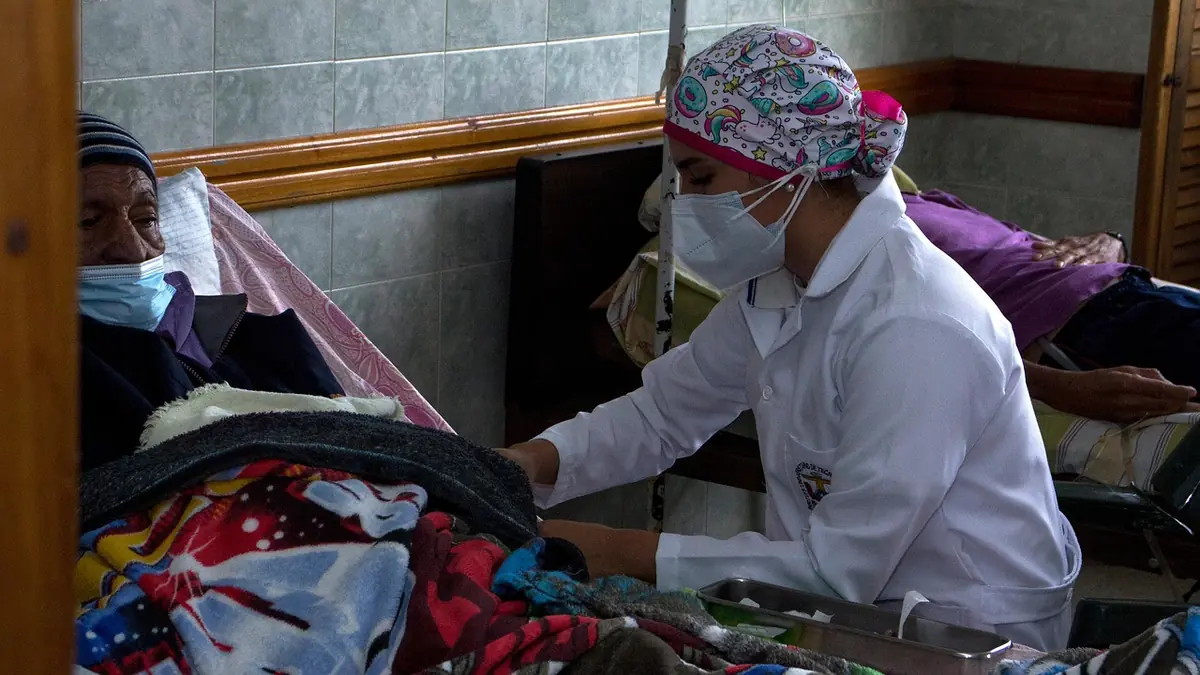
CGIL, CISL, UIL, UNIA, OCST, SYNA, VPOD and SYNDICOM demand the definitive withdrawal of the health tax for cross-border workers, citing treaty violations and double taxation.
Context
In brief
- Cross-border worker health tax: unions demand definitive withdrawal.
- Violation of 2020 treaty and double taxation.
- Risk of blocking revenue sharing for border municipalities.
- What: Demand for the definitive withdrawal of the "health tax" for cross-border workers.
- When: June 15, 2026 (date of union communication).
- Who: CGIL, CISL, UIL, UNIA, OCST, SYNA, VPOD, and SYNDICOM.
- Where: Italy and Switzerland (with reference to the Canton of Ticino).
- Why: The tax would violate the 2020 international treaty between Italy and Switzerland, introducing double taxation.
…
Operational details
The consequences of over two years of dispute over the health tax have raised serious concerns among Italian and Swiss trade unions. The prolonged controversy has created significant interpretative chaos regarding the tax obligations of cross-border workers, fueling uncertainties that also affect the daily lives of commuters. Furthermore, the situation has led to a hardening of the Swiss interpretation of the so-called 'omnibus decree' related to cross-cantonal work. This decree, which affects those who reside in a province different from the one bordering the Canton where their work is carried out, now sees a stricter application of its options. Additionally concerning is the real risk that Italy, by introducing a measure deemed detrimental to the tax agreement, could cause the suspension or non-payment of tax refunds. These fund transfers are vital for over 365 border municipalities, which use them to finance both current expenditures and important investments for their communities. The loss of these resources would produce a real economic and social earthquake in these areas, compromising essential services and development projects. For these reasons, the unions strongly reiterate the call to resume dialogue, prioritizing common sense and respect for the rules agreed upon over years of negotiations. The goal is to restore a climate of cooperation that has allowed the unanimous approval of treaties and implementing laws by the Italian and Swiss Parliaments in the past. The request is clear: from the Italian side, the withdrawal of a tax considered useless for deterring the migration of healthcare personnel and effectively unenforceable; from the Swiss side, the recognition of the option provided by the omnibus decree for cross-cantonal cross-border workers and the guarantee of the transfer of refunds until 2033, in line with the 2020 international treaty and the implementing laws. The current situation highlights the fragility of the balances achieved and the need for a collaborative approach to resolve cross-border work issues.
Key points
Trade unions CGIL, CISL, UIL, UNIA, OCST, SYNA, VPOD, and SYNDICOM have outlined a clear strategy to address the 'health tax' issue and its implications for cross-border workers. Their primary demand is the definitive withdrawal of the measure by Italy. Concurrently, they are urging the opening of a serious and constructive discussion forum to tackle the problems that have emerged during this dispute phase. A crucial point concerns the interministerial committee, established by law 83/23 but never fully operational, which should become the appropriate venue for addressing these matters. On the Swiss side, the unions are calling for full recognition of the option provided by the 'omnibus decree' for cross-cantonal cross-border workers. This recognition is fundamental to ensure the continuity of fiscal equalization payments until 2033, as stipulated by the 2020 international treaty and subsequent implementing laws. Should the tax be effectively applied, the trade unions do not rule out recourse to the Constitutional Court to challenge its illegitimacy. This demonstrates their firm determination to protect the rights of cross-border workers. The current situation requires coordinated action and respect for bilateral agreements to avoid further tensions and ensure the economic stability of border communities. To better understand the fiscal and salary implications of cross-border work, our online tools can be utilized. Specifically, our net salary calculator can provide a detailed estimate of your salary based on current regulations, helping cross-border commuters navigate the complexity of the Italian-Swiss tax system. It is also advisable to be informed about the specific regulations regarding equalization payments and withholding taxes to ensure compliance with both countries.
Frequently Asked Questions
- When did the 'health tax' come into effect for cross-border workers?
- The 'health tax' was introduced by the Italian Government with the 2024 budget law. However, more than two and a half years after its theoretical entry into force, the provision has never been applied and still lacks implementing decrees.
- Why are the trade unions requesting the withdrawal of the health tax?
- The trade unions argue that the tax is similar to an imposition and not a contribution. Consequently, they claim it violates the 2020 international treaty between Italy and Switzerland, introducing double taxation for cross-border workers. Furthermore, they consider it ineffective as a deterrent to health migration.
- What are the consequences of the dispute over the health tax?
- The dispute has generated interpretative chaos regarding the fiscal obligations of cross-border workers, rigidity from the Swiss side on the 'omnibus decree' for trans-cantonal work, and the concrete risk of a block or failure to transfer fiscal refunds to border municipalities, with serious economic repercussions for over 365 municipalities.
- What do the trade unions request from Italy and Switzerland?
- The trade unions request the definitive withdrawal of the health tax from Italy. From Switzerland, they request recognition of the option provided by the 'omnibus decree' for trans-cantonal cross-border workers and the guarantee of the transfer of refunds until 2033, in accordance with the 2020 treaty.
Related articles
- All articles: Health and insurance
- Tassa salute frontalieri: sindacati contro la doppia imposizione
- Caldo torrido e lavoro in Ticino: sindacati chiedono misure urgenti
- Tassa salute frontalieri: il Ticino boccia il prelievo
- Tassa salute frontalieri: il Ticino la definisce indebita
- Ristorni, dalla Svizzera rappresaglia contro Regione Lombardia: si ritiri subito la tassa sulla salute