Cross-border commuters: Buying a property in Switzerland as an investment (cross-border guide)
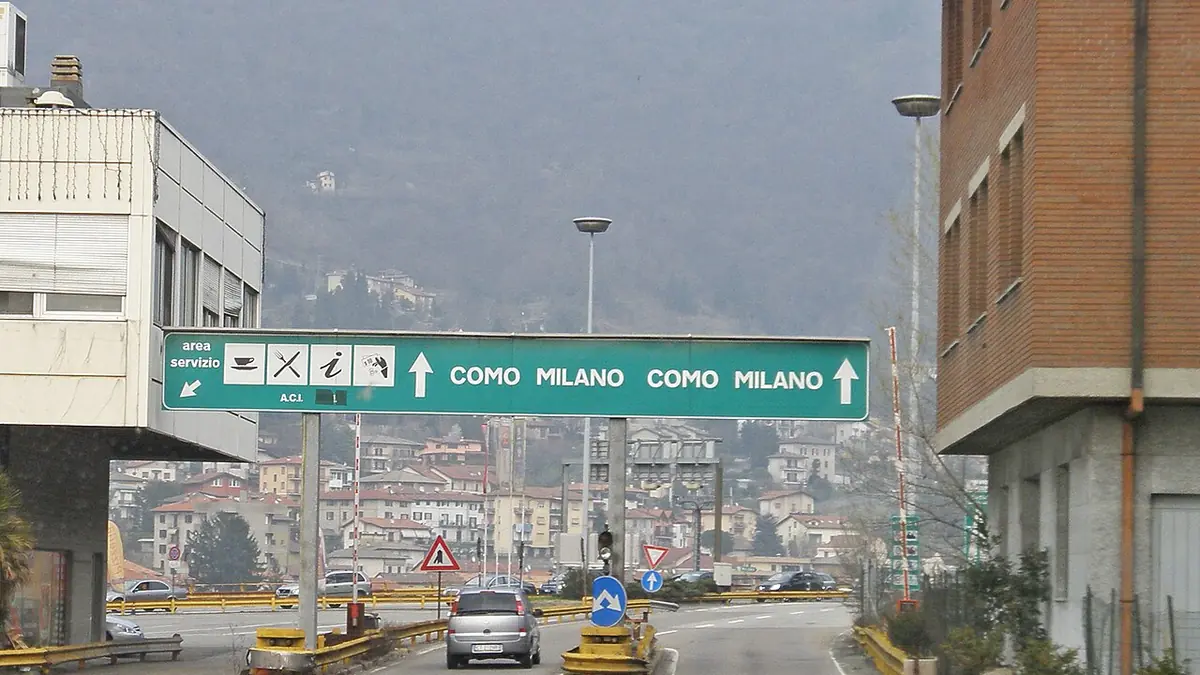
Restrictions for non-residents, taxation, differences with the purchase of the first home.
Context
In brief
- Constraints for non-residents in the purchase of real estate in Switzerland.
- Tax differences between investment and first home.
- Procedure and necessary documents.
Key Facts
- What: Purchase of real estate in Switzerland by cross-border commuters.
- When: From 1 January 2024.
- Where: Canton of Ticino.
- Who: Italian cross-border commuters working in Switzerland.
- Amount: Tax constraints and variable contributions.
The new cross-border agreement, signed on 23 December 2020 and in force since 1 January 2024, introduces new rules for the purchase of real estate in Switzerland by cross-border commuters. This agreement, ratified in Italy with Law 83 of 13 June 2023, has significant implications for those wishing to invest in real estate in the Canton of Ticino.
Constraints for non-residents
The purchase of real estate in Switzerland by non-residents is subject to specific constraints. Italian cross-border commuters who wish to purchase property in Switzerland must comply with local regulations, which may vary from canton to canton. In the canton of Ticino, for example, a special permit must be obtained for the purchase of real estate by non-residents.
Taxation and differences with the purchase of the first home
The taxation of buying real estate in Switzerland is a crucial aspect to consider. Italian cross-border commuters are subject to withholding tax on earned income, which is only withheld in Switzerland. Italy avoids double taxation with the tax credit (EC framework of 730).
…
Operational details
Practical implications for cross-border commuters
Buying a property in Switzerland as an investment has several practical implications for Italian cross-border commuters. It is crucial to understand the local regulations and procedures required to obtain authorization to purchase. Additionally, it is important to consider taxation in both Switzerland and Italy to avoid double taxation.
Comparison between investment and first home
Buying a property as an investment has significant differences from buying your first home. While buying your first home may benefit from specific tax breaks, buying as an investment is subject to different constraints and rates. It is therefore essential to carefully evaluate the tax and financial implications before proceeding with the purchase.
What-if scenarios
A cross-border commuter who wants to buy a property in Switzerland may face several challenges. For example, they may need to obtain permission from the local authorities and prove that they are eligible to buy. In addition, they may need to manage taxation in both Switzerland and Italy to avoid double taxation.
Step-by-step procedure
The procedure for buying a property in Switzerland by Italian cross-border commuters involves the following steps: 1. Obtain permission from the relevant local authorities. 2. Submit the necessary documents, including your residence permit, employment contract, and tax return. 3. Carefully assess the tax and financial implications. 4. Proceed with the purchase of the property in compliance with local regulations.
Comparison Table
| Appearance | Investment | First home |
|---|---|---|
| Authorization | Required | Required |
| Taxation | Variable rates | Tax benefits |
| Contributions | Established by the authorities | Established by the authorities |
…
Key points
Concrete actions for cross-border commuters
For Italian cross-border commuters looking to buy a property in Switzerland as an investment, it is crucial to follow a number of concrete actions to ensure a smooth and smooth process. Here is a step-by-step guide:
1. Obtain authorization: Contact the relevant local authorities to obtain authorization for non-residents to purchase a property. This step is crucial and requires the submission of specific documents, such as a residence permit and employment contract. 2. Assess taxation: Consult with a tax advisor to understand the tax implications in both Switzerland and Italy. It is important to avoid double taxation and benefit from the tax credit provided by the EC framework of 730. 3. Submit the necessary documents: Prepare and submit all the documents required by the local authorities, including your tax return and employment contract. Make sure that all documents are in order and up to date. 4. Assess the financial implications: Consider the Swiss rates and contributions, which include the AHV/IV/EO at 5.3%, the ALV/AC at 1.1% with a ceiling of CHF 148,200, the UVG between 0.7% and 1.5%, and the BVG between 7% and 18% for age groups 25 and over. 5. Proceed with the purchase: Once you have obtained the authorization and evaluated all the tax and financial implications, proceed with the purchase of the property in compliance with local regulations.
Useful tools
To facilitate the process of buying a property in Switzerland, cross-border commuters can use various tools available on the Frontaliere Ticino website:
…
Frequently Asked Questions
- What are the constraints for the purchase of real estate in Switzerland by non-residents?
- Italian border workers must obtain special authorisation from the local authorities of the Canton of Ticino and comply with both Swiss and Italian tax regulations.
- What are the Swiss rates and contributions for border workers?
- Swiss rates and contributions include AVS/AI/IPG at 5.3%, AD/AC at 1.1% with a ceiling of CHF 148'200, LAINF between 0.7% and 1.5%, and LPI between 7% and 18% for age groups from 25 years.
- What documents are required for the purchase of a property in Switzerland?
- Residence permit, employment contract, and tax return are required. It is also necessary to obtain authorization from the competent local authorities.
- What are the tax differences between buying a property as an investment and as a first home?
- Tax differences include income tax at source withheld only in Switzerland and the tax credit in Italy to avoid double taxation.
- What are the implications of the new cross-border agreement for the purchase of real estate?
- The new border agreement, in force from 1 January 2024, simplifies the procedures for the purchase of property by non-residents and establishes new tax and contribution rules.