Border food expenditure 2024: the customs exemption
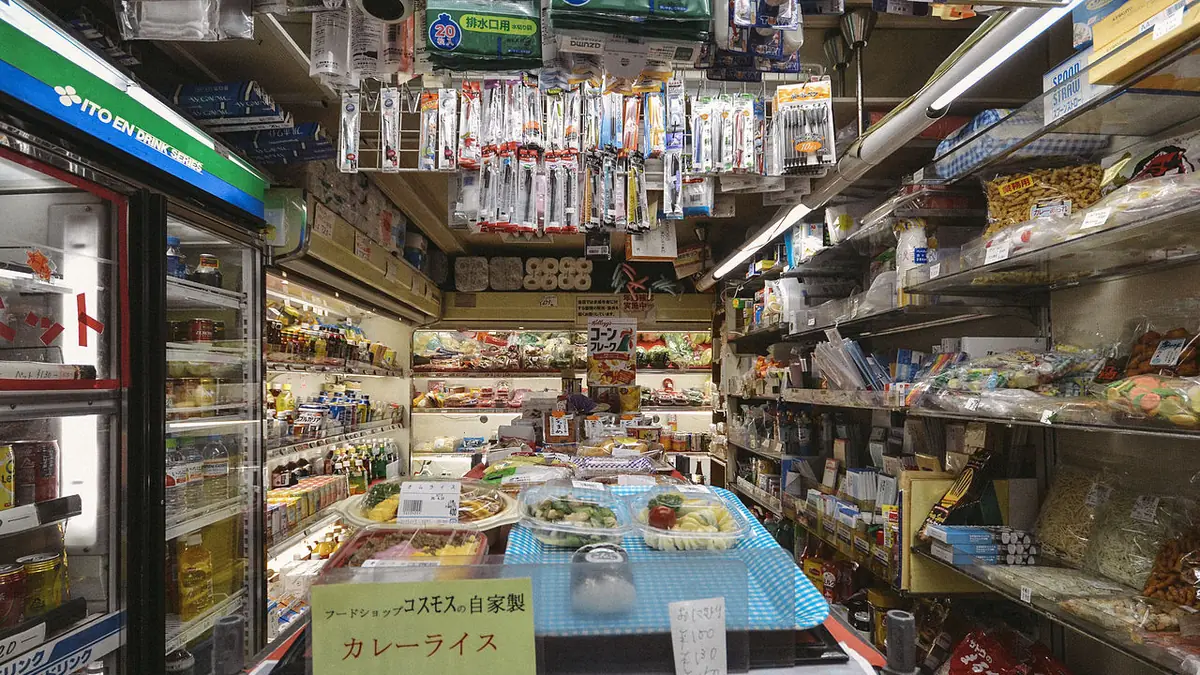
From 2024, the new agreement introduces different deductibles for border workers: €7,500 for old members, €10,000 for new ones. How to do food shopping between Switzerland and Italy.
Context
In a nutshell
- New agreement 2024: deductible €7,500 (old border guards), €10,000 (new)
- Transitional regime until 2033 for those who were already border workers before 17 July 2023
- Legitimate exemption for cross-border purchases without individual customs declarations
- Applicable to goods for personal and family consumption
Key facts
- What: Annual duty-free allowance for cross-border food purchases
- When: From 1 January 2024 (new agreement signed 23 December 2020)
- Where: Crossings Switzerland-Italy (Chiasso, Brogeda, Gaggiolo, Ponte Tresa and others)
- Who: Frontier workers with G permit (old and new)
- Amount: €7,500 per year (old), €10,000 per year (new); transitional regime 2024–2033
Since 1 January 2024, the new agreement between Switzerland and Italy has transformed the customs regime for border workers. The annual deductible — the amount of goods you can bring from home to work without paying duties — has become a central element in choosing where to shop for food.
For frontier workers already established before 17 July 2023, the exemption is set at €7,500 per year, within a transitional regime that will continue until 2033. Those who registered as frontier workers after that date benefit from a higher deductible: €10,000 per year. Both thresholds radically change the economics of cross-border food spending. The Italian-Swiss Convention of 9 March 1976 historically regulates customs transit at crossings;
Operational details
How the deductible affects the choice of where to shop
The decision of where to spend food for a border crossing does not only depend on the unit price, but also on the total amount that can be brought to Switzerland without customs obstacles. With a deductible of €7,500-€10,000 per year, the border worker has concrete margins to take advantage of price differentials between Switzerland and Italian border municipalities. If the basket of a typical family costs less in Italy, the deductible allows you to buy in regular batches — weekly or fortnightly — without fear of customs checks blocking transit.
Considering a family of 3-4 people who buy groceries on a weekly basis in Italian border municipalities instead of in Switzerland, the cumulative differential over a year easily remains within €7,500-€10,000. Deductible is therefore not perceived as a limit, but as a tool that legitimises cross-border purchasing.
The Role of Tax at Source in Purchasing Ability
A collateral consideration: the income tax at source is only withheld in Switzerland for border workers, not in Italy. This means that the net paycheck available for purchases is on average higher than in alternative scenarios. In fact, the ability to buy helps to conveniently take advantage of the customs exemption and price differences between cross-border markets.
Useful tools to protect your net income
To reduce FX leakage, compare CHF-EUR exchange options and banks for cross-border workers.
Key points
Practical Tips to Maximize the Allowance
Organize your shopping in regular batches. Instead of sporadic and chaotic purchases, plan your grocery shopping on a weekly or bi-weekly basis in Italian towns near the border crossings. Keep your receipts: in case of a customs check, the declared value protects you from disputes and facilitates the annual cumulative count.
Know the limits by category. While falling under the general allowance, some products have their own restrictions (alcohol, tobacco, fuel). Most fresh and packaged foods have no quantity limits, only the overall value constraint (€7,500–€10,000 annually in euros).
Check the EUR/CHF exchange rate. The allowance is expressed in euros, but the value is counted in CHF at the time of the customs check. An unfavorable exchange rate can reduce the actual amount in Switzerland. Use an exchange tool to simulate realistic conversions and plan your purchases accordingly.
Do not knowingly exceed the threshold. If you expect to approach the annual limit, track your cumulative expenses. The transitional regime until 2033 maintains the €7,500 threshold for older cross-border workers: careful planning avoids administrative surprises and customs checks.
Where to Find Further Information and Tools
To confirm your cross-border worker status (old or new) and the exact allowance, consult the Federal Tax Administration (FTA) or contact your employer in Switzerland. The new agreement has also changed contribution and tax regimes: if you wish to simulate the impact on your paycheck and monthly purchasing power, use the cross-border salary calculator. Learn more about the cross-border cost of living to maximize your family budget and make informed purchasing decisions.
Frequently Asked Questions
- What are the differences between the old and new frontier allowance from 2024?
- From 1 January 2024, frontier workers registered before 17 July 2023 benefit from a deductible of €7,500 per year (transitional regime until 2033), while new frontier workers have a deductible of €10,000 per year. Both amounts apply to the total value of goods destined for personal and family consumption.
- Does the duty-free allowance cover all food products?
- The exemption applies to most foodstuffs (bread, dairy products, fruit, vegetables, pasta, packaged). However, some products have specific customs regimes: alcohol, tobacco and fuel are subject to their own quantitative limits and special duty rates, regardless of the general exemption.
- How do I check that I don't exceed the deductible during the year?
- Keep receipts for cross-border purchases and track the total value in euros. By converting to the current CHF/EUR rate, you can check to stay below the threshold (€7,500 or €10,000 per year). In case of customs control, receipts provide proof of declared value.
- What happens if I exceed the deductible during the year?
- If the total value of the goods exceeds the deductible over the course of a year, you are subject to the payment of customs duties and taxes on the excess amount. The amount depends on the product category. To avoid this, it is advisable to plan purchases and stay within the established limit.
- Where can I find official information about my personal deductible?
- To confirm your border status and exact deductible, please consult the Federal Tax Administration (FTA), your canton of employment (for Ticino, the Division of Finance and Economics, DFE) or your employer. They have documentation on the new border agreement that entered into force on 1 January 2024.
Related articles
- All articles: Border and customs
- Dove conviene fare la spesa per un frontaliere del Ticino?
- Limiti di franchigia doganale per gli acquisti in Svizzera: valori aggiornati, dichiarazione, conseguenze del superamento per il frontaliere
- Franchigia doganale acquisti svizzera: limiti e conseguenze per i frontalieri
- Inflazione Italia aprile 2026: +2,8% e carrello della spesa in aumento
- Cadorago frontaliere Ticino: guida fiscale 2024