Healthcare, Fontana and Fedriga: 'Hospital-centrism is outdated' (cross-border guide)
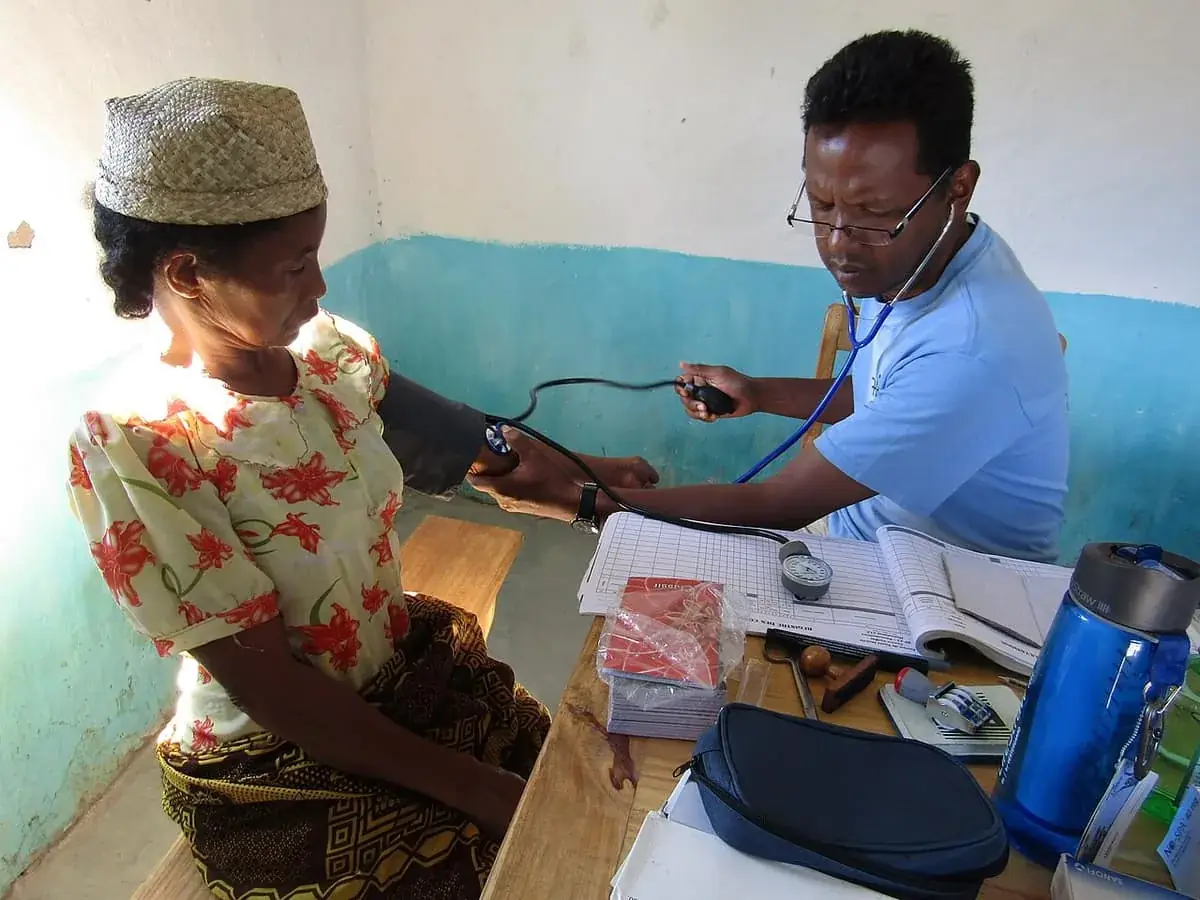
The presidents of Lombardy and Friuli Venezia Giulia discuss the sustainability of the healthcare system in Varese.
Context
TL;DR
- Lombardy and Friuli Venezia Giulia focus on healthcare sustainability.
- Telemedicine project between Lombardy and Ticino funded with 2M euros.
- Lombardy invests 10M euros in territorial healthcare structures.
- Friuli Venezia Giulia allocates 5M euros for territorial healthcare services.
Key facts
- Event: General States of the Health Economy in Varese.
- Border length: Over 100 km between Lombardy and Ticino.
- Telemedicine funding: 2 million euros for remote medical consultations.
- Lombardy investment: 10 million euros for public and private healthcare structures.
- Friuli Venezia Giulia allocation: 5 million euros for territorial healthcare services.
- EU Directive: 2011/24/EU for patient care in other Member States.
- Public Health Law: March 18, 1994, guarantees universal access to healthcare.
- Future healthcare deficit: 3.5 billion francs by 2025 if current model persists.
The President of Lombardy, Attilio Fontana, and his colleague from Friuli Venezia Giulia, Massimiliano Fedriga, were the protagonists in Varese for the General States of the Health Economy. The event brought together the main actors in the sector to discuss the sustainability of the healthcare system.
The healthcare issue is particularly relevant in the Lombardy region, which shares a border of over 100 km with the Canton of Ticino, Switzerland. The free movement of people and goods between the two regions has led to greater integration of healthcare systems, but also to new challenges.
…
Operational details
According to Fontana and Fedriga, simply increasing resources is not enough: a profound reform of organizational models and medical responsibility is needed. 'Hospital-centrism is outdated, now we need to invest in the territory,' they stated. This means that attention needs to be shifted from hospital structures to territorial services, such as primary care and intermediate structures.
The current situation
In Ticino, like in many other regions, the healthcare system has traditionally been centered on hospitals. However, this approach has shown its limitations, with long waiting lists and excessive pressure on hospital structures. For example, according to data from the University Hospital of Zurich, in 2022, 45% of hospitalized patients could have been treated in territorial structures.
Fontana and Fedriga's proposals
Fontana and Fedriga propose shifting attention to the territory, enhancing primary care and intermediate structures. This could include the creation of polyclinics and intermediate care centers, such as the Mendrisio Intermediate Care Center, which offers rehabilitation and long-term care services.
- Concrete example: In Bellinzona, the municipality has launched a project to create a territorial healthcare hub, which will include a primary care center and an intermediate structure for rehabilitation. The project, with a budget of 10 million francs, will be financed partly with cantonal funds and partly with private funds.
Benefits
This approach could bring numerous benefits, including:
'The goal is to provide more efficient and patient-centered care, reducing pressure on hospitals and improving patients' quality of life.'
…
Key points
The healthcare system of the future must be centered on prevention and patient care in their territory. This requires greater integration between healthcare and social services, as well as greater attention to the training and updating of healthcare personnel.
Territorial model
The two presidents, Fontana and Fedriga, emphasized the importance of overcoming the so-called 'hospital-centrism' and focusing on a more efficient territorial model. For example, in the Canton of Ticino, the Lugano hospital serves a population of around 200,000 inhabitants, while the Bellinzona hospital covers an area of around 100,000 inhabitants.
- A well-structured territorial model could provide for the presence of polyclinics and health centers in strategic municipalities, such as:
- Lugano, with a health center serving around 50,000 inhabitants
- Bellinzona, with a polyclinic covering an area of around 20,000 inhabitants
- Locarno, with a health center serving around 30,000 inhabitants
Operational checklist
To achieve this goal, it is possible to draw up an operational checklist with the following points:
- Creation of a network of polyclinics and health centers throughout the territory
- Implementation of a computerized management system for appointment booking and patient data management
- Training and updating of healthcare personnel on new technologies and methodologies
Comparison of scenarios
⚠️ A recent analysis showed that, if the current model is not changed, Switzerland could record a deficit of 3.5 billion francs in the healthcare sector by 2025. On the other hand, the implementation of a more efficient territorial model could reduce costs by 10-15% and improve the quality of care by 20-25%.
…
Frequently Asked Questions
- What is the health system used in the Lombardy region?
- The health system of the Lombardy region is based on a public funding model, with an annual budget of over 10 billion euros.
- How does the telemedicine project between Lombardy and the Canton of Ticino work?
- The project, funded with 2 million euros, allows patients to access medical consultation services remotely, reducing travel and improving the quality of care.
- How many euros has the Lombardy Region allocated to strengthen health facilities?
- The Lombardy Region has allocated 10 million euros to create new territorial care facilities and enhance digital technologies for the management of health data.
- What is the annual growth rate of healthcare spending in Ticino?
- Health spending in Ticino is stable with a growth rate of 1.5% per year.
- What percentage of hospitalized patients could be treated in local facilities according to 2022 data?
- According to data from the University Hospital Zurich, 45% of patients admitted to hospital could have been treated in local facilities.