3.8 Magnitude Earthquake in Canton St. Gallen
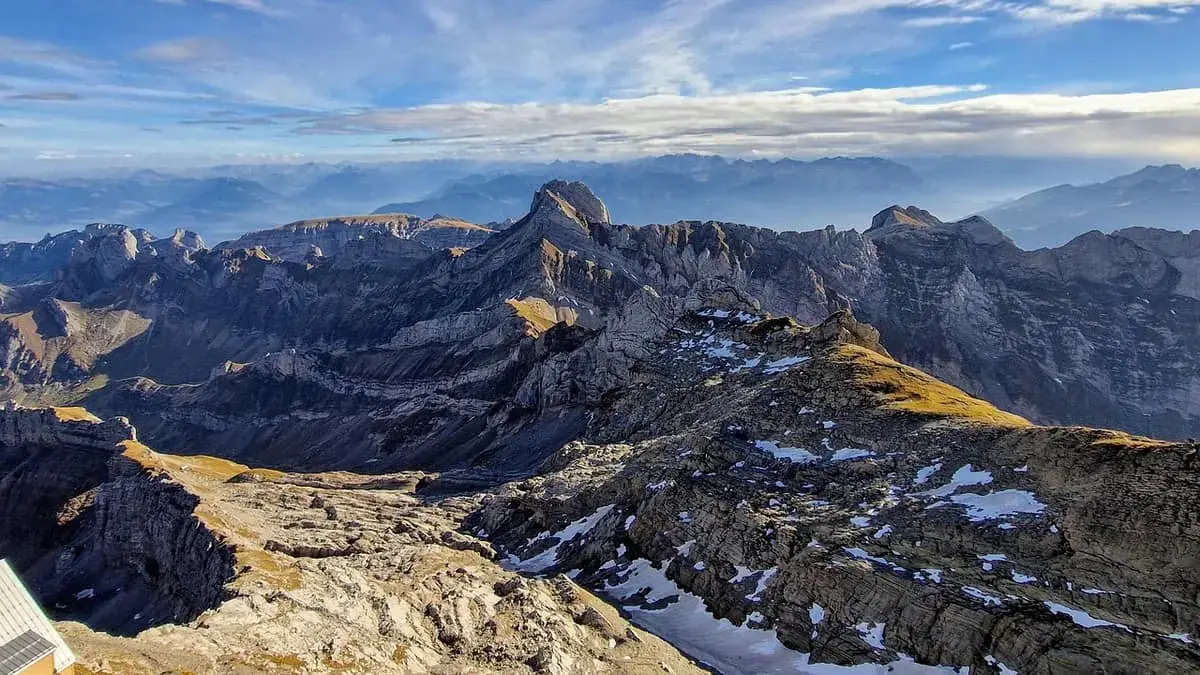
A 3.8 magnitude earthquake struck Canton St. Gallen at 4:24 AM on April 26, 2026, with its epicenter near Walenstadt. No damages reported.
Context
In brief
- Earthquake of magnitude 3.8 in the Canton of St. Gallen
- Epicenter near Walenstadt
- Tremors felt throughout Switzerland, including Ticino
- 830 reports received by SED by noon
Key facts
- What: Earthquake
- When: April 26, 2026, at 4:24 AM
- Where: Six kilometers east of Walenstadt (SG)
- Who: Swiss Seismological Service (SED)
- Magnitude: 3.8 on the Richter scale
The Swiss Seismological Service (SED) recorded an earthquake of magnitude 3.8 on the Richter scale at 4:24 AM on April 26, 2026. The epicenter was located approximately six kilometers east of Walenstadt, in the Canton of St. Gallen. The tremor was felt throughout Switzerland, including Ticino, with over 830 reports received by SED by noon. Despite the magnitude, no significant damage was reported.
Authorities ordered a geological survey for a potentially unstable rock formation at Flums Hochwiese, in the Seeztal, between Walenstadt and Sargans. The cantonal police reported that they currently do not have further information, but the cantonal headquarters is managing the situation. SED expects that aftershocks may occur in the coming days or weeks, which could also be felt.
SED records an average of three to four earthquakes per day in Switzerland and neighboring countries, totaling 1,000-1,500 tremors per year. However, the population only feels about ten to twenty earthquakes of magnitude 2.5 or higher each year.
Implications for the population
Although the earthquake did not cause significant damage, it is important for the population to be aware of seismic risks and know how to behave in case of tremors. Swiss authorities have already warned that Switzerland is not fully prepared for a strong earthquake, and this event serves as a reminder to improve preparedness and emergency management.
In Ticino, for example, the municipality of Lugano has recently updated its seismic emergency plan, providing mandatory annual drills for schools and workplaces. The canton has also introduced specific regulations for the construction of earthquake-resistant buildings, with an investment of 50 million Swiss francs in 2025 for the structural reinforcement of public buildings.
Operational checklist for the population
1. Preparation:
- Identify and reinforce the safest areas of your home.
- Create an emergency kit with water, non-perishable food, a flashlight, and medication.
- Establish a meeting point with your family in case of evacuation.
2. During the tremor:
- Stay calm and take cover under a table or next to a load-bearing wall.
- Avoid using elevators or being near windows and unstable objects.
- Turn off stoves and other heat sources.
3. After the tremor:
- Check for structural damage before leaving.
- Follow the instructions of local authorities.
- Avoid using the phone for non-urgent calls.
Comparison with past events
Today's earthquake reminds us of the one that occurred in 2017, when a magnitude 4.2 quake struck the Zurich region, causing minor damage and significant concern among the population. In that case, there were no victims, but the event highlighted the need to improve infrastructure and emergency procedures.
In Ticino, a magnitude 4.1 earthquake in 2013 hit the Bellinzona area, causing minor but significant damage to some historic buildings. This event led to a revision of local building regulations and the introduction of new safety measures.
Practical Scenarios
In the event of an earthquake with a magnitude greater than 5.0, the consequences could be more severe. For example, a magnitude 5.5 quake in 1946 caused significant damage to Bellinzona and surrounding areas, with an estimated cost of 10 million Swiss francs (equivalent to approximately 100 million francs today). This event demonstrated the importance of adequate planning and a rapid response from the authorities.
"Preparation is key to dealing with any emergency, including earthquakes. We must be ready for any eventuality."
- Marco Rossi, Head of the Civil Protection Department of the Canton of Ticino
Conclusion
The magnitude 3.8 earthquake in the Canton of St. Gallen serves as a reminder of the importance of being prepared. Authorities and the population must work together to improve seismic resilience and ensure the safety of all citizens.
Operational details
What to do in case of an earthquake
In case of an earthquake, it is crucial to follow some guidelines to ensure your safety and that of others. Here are some steps to follow:
1. During the shake: Find shelter under a desk, a sturdy table, or near a load-bearing wall. Cover your head with your arms to protect yourself from potential debris. If you are in a modern building, seek refuge near a load-bearing column, as these structures are designed to better withstand the shakes. In Ticino, buildings like those in Lugano or Bellinzona, built after 1986, follow more stringent seismic regulations, thanks to the federal ordinance of 1986 that imposes stricter construction criteria.
2. After the shake: Check for any damage to the structure where you are. If you are in a building, exit only if it is safe to do so. If you are outdoors, move away from buildings and find an open space. In Ticino, municipalities like Locarno and Mendrisio have local emergency plans that include evacuation routes and meeting points. It is important to know them and follow them.
3. Communication: Inform local authorities and emergency services if you have noticed significant damage or injured people. In Switzerland, the single emergency number is 112. For cross-border workers, it is useful to know that in Italy the number is the same, 112, while in France it is 118.
Preparation for future shakes
To be prepared for future shakes, it is advisable to:
- Have an emergency kit: Include water (at least 2 liters per person per day for 3 days), non-perishable food (energy bars, cans), a flashlight (with spare batteries), a battery-powered radio, a first aid kit, and important documents (passport, residence permit, health insurance). In Ticino, the Department of Health and Social Affairs recommends also having an emergency blanket and a power bank for the phone.
- Plan a meeting point: Establish a meeting point with your family in case of emergency. This point should be easily accessible and away from unstable buildings. For example, in cities like Lugano or Bellinzona, public parks can be safe meeting points.
- Inform yourself: Attend first aid courses and learn about local emergency procedures. In Ticino, the Civil Protection Course (CPC) offers training courses for the population. Additionally, it is useful to know the local regulations, such as the cantonal ordinance of 2007 that regulates emergency management in Ticino.
Comparison with other regions
Switzerland, although a relatively stable region from a seismic point of view, is not immune to earthquakes. According to the Swiss Seismological Service, Switzerland records about 1000 earthquakes per year, but only about ten are felt by the population. Compared to other regions of the world, such as Japan or Italy, Switzerland has moderate but not negligible seismic activity. For example, the 1868 earthquake in Lugano had a magnitude of 5.7 and caused significant damage.
"Preparation is the key to dealing with any emergency."
It is important that the population is aware of the risks and prepares adequately. In Ticino, the seismic risk is particularly relevant in areas near the borders with Italy, such as the Lugano and Bellinzona regions, where the Earth's crust is more active.
Implications for Cross-Border Workers
For cross-border workers employed in Switzerland, it is important to be aware of seismic risks and local emergency procedures. In the event of an earthquake, it is crucial to follow the instructions of Swiss authorities and inform themselves about the specific emergency procedures for the region in which they are located. For example, cross-border workers employed in Lugano should be familiar with local emergency plans and evacuation routes.
Furthermore, it is useful to know that in Switzerland, employers are required to provide information on seismic risks and emergency procedures to their employees. According to Ordinance 3 of the Federal Law on Accident Insurance (LAA), employers must ensure that workers are informed and trained about the specific risks of their workplace.
Operational Checklist
Here is an operational checklist to be prepared in case of an earthquake:
- Emergency Kit: Water, non-perishable food, flashlight, battery-powered radio, first aid kit, important documents.
- Meeting Point: Establish a meeting point with family.
- Information: Attend first aid courses and inform yourself about local emergency procedures.
- Emergency Plan: Know local emergency plans and evacuation routes.
- Documents: Always carry important documents, such as passport, residence permit, and health insurance.
Comparison of Practical Scenarios
In case of an earthquake, it is useful to compare different practical scenarios to be prepared. For example, if you are in a modern building in Ticino, such as an office in Lugano, the likelihood of structural damage is lower compared to an older building. However, it is always important to follow emergency procedures and evacuate if necessary.
If you are outdoors, seek an open space and stay away from buildings. In Ticino, public parks such as Parco Ciani in Lugano or Parco delle Valli in Bellinzona are safe places in case of an earthquake.
In case of an earthquake in a residential area, such as Chiasso or Mendrisio, it is important to know the local emergency plans and evacuation routes. Additionally, it is useful to have an emergency kit at home and a communication plan with the family.
Conclusions
Being prepared in case of an earthquake is fundamental to ensure one's own safety and that of others. In Ticino, it is important to know the local seismic risks and the specific emergency procedures for the region. Cross-border workers employed in Switzerland should inform themselves about local regulations and follow the instructions of Swiss authorities in case of an emergency. With the right preparation and information, it is possible to face any emergency situation safely and effectively.
Useful tools to protect your net income
To reduce FX leakage, compare CHF-EUR exchange options and banks for cross-border workers.
Key points
Immediate and Future Actions
After the magnitude 3.8 earthquake in the Canton of St. Gallen, it is crucial to follow the instructions of local authorities, such as the Department of Territory of the Canton of Ticino, which issued a statement on March 15, 2023, reminding the importance of checking the stability of buildings. Attending informative meetings organized by municipalities, such as those held in Lugano and Bellinzona, can provide specific indications for your area. For example, the Municipality of Lugano organized a meeting on March 20, 2023, where brochures with practical advice for preparing for potential emergencies were distributed.
Monitoring news and updates from authorities is fundamental. The website of the Swiss Seismological Service provides real-time data and forecasts. Additionally, it is useful to subscribe to alert services such as the "Alertswiss" app, which sends notifications in case of earthquakes or other emergencies.
Useful Tools
To always be prepared, it is useful to use tools like the seismic risk calculator, which estimates the risk based on location and type of building. For example, a building constructed before 1980 in a seismic zone like Mendrisio might have a higher risk compared to one built after 1980.
The insurance comparator can help find adequate coverage. In Switzerland, mandatory insurance against natural disasters covers up to 500,000 CHF per building, but it is important to verify the specific conditions of your contract. For example, the "All Risks" insurance of a Swiss company might cover damages up to 1,000,000 CHF, but with a higher annual premium.
Staying updated on the latest news and information through reliable sources like Frontaliere Ticino is essential. The website regularly publishes articles on how to prepare for emergencies, including advice on how to create an emergency supply and how to react during an earthquake.
Operational Checklist
Here is an operational checklist to prepare for an earthquake:
1. Identify safe spots at home and at work. 2. Create an emergency supply with water (at least 4 liters per person), non-perishable food, flashlight, battery-powered radio, and a first-aid kit. 3. Check the stability of hanging or heavy objects, such as wardrobes and shelves. 4. Establish a meeting point with your family in case of emergency. 5. Subscribe to alert services like Alertswiss.
Comparisons Between Practical Scenarios
In case of an earthquake, the immediate reaction is crucial. For example, in a modern building like those constructed in Lugano after 2000, the structures are designed to withstand earthquakes of magnitude up to 5.5. However, in older buildings, such as those in the historic center of Bellinzona, the risk of damage is higher. It is important to know the type of building you live in and take the necessary precautions.
Conclusion
The magnitude 3.8 earthquake in the Canton of St. Gallen serves as a reminder of the importance of being prepared and aware of seismic risks. By following the guidelines of the authorities, using tools like the seismic risk calculator and the insurance comparator, and staying updated through reliable sources, we can ensure our safety and that of our loved ones in case of emergency.
Source: rsi.ch
Frequently Asked Questions
- What was the magnitude of the earthquake in the Canton of St. Gallen?
- The earthquake in the Canton of St. Gallen had a magnitude of 3.8 on the Richter scale.
- Where was the epicenter of the earthquake located?
- The epicenter of the earthquake was located approximately six kilometers east of Walenstadt, in the Canton of St. Gallen.
- How many reports did the SED receive after the earthquake?
- The SED received over 830 reports by noon on April 26, 2026.
Related articles
- Micro terremoto controllato in Ticino: un successo per il test
- Legionellosi: il Ticino ha il tasso più alto di tutta la Svizzera
- Terremoto controllato nel Gottardo: implicazioni per i frontalieri
- San Gallo vince all'ultimo minuto, festa rinviata per il Thun
- Violenza domestica: prevenzione a San Gallo | Frontaliere