National Council rejects democracy initiative
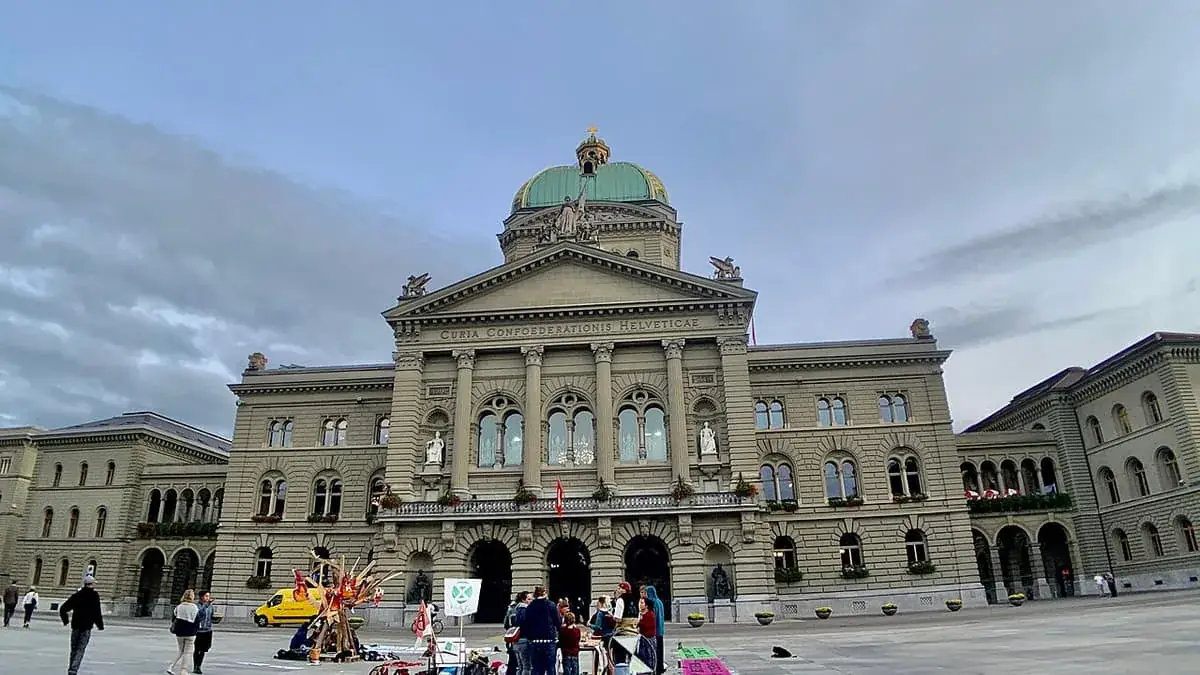
The National Council recommends rejecting the initiative for democracy with 130 votes to 62.
Context
In brief
- Initiative for democracy rejected by the National Council
- 130 votes in favor of rejection, 62 against
- Goal: halve the legal stay for citizenship
Key facts
- What: Initiative for democracy
- When: April 30, 2026
- Where: Bern
- Who: National Council
- Amount: 130 votes in favor of rejection, 62 against
The National Council decided to reject the Initiative for Democracy with a majority of 130 votes against 62. The initiative, which aims to halve the legal stay required for Swiss citizenship from ten to five years, was rejected after a debate of just over four hours. The plenary also decided not to oppose any counter-proposal to the constitutional amendment proposal, as hoped by the red-green camp and the SVP. The dossier is now in the definition phase with the States.
The popular initiative 'For a modern right to citizenship (Initiative for Democracy)' aims primarily to ensure that legislation on naturalization falls within the competence of the Confederation. It provides for a right to grant citizenship after five years of legal stay in Switzerland, provided that the interested party has not been sentenced to a long-term custodial sentence, does not compromise the internal and external security of the country and possesses basic knowledge of a national language.
Implications for cross-border workers
The initiative, if approved, would have had a significant impact on cross-border workers residing in Switzerland. With the reduction of the stay period required for naturalization, many cross-border workers would have been able to obtain Swiss citizenship more easily. However, the rejection of the initiative means that the naturalization process will remain unchanged, maintaining the current requirements.
…
Operational details
Analysis of the implications
The rejection of the initiative for democracy has raised several questions regarding the integration and naturalization of foreigners in Switzerland. The 'bourgeois' camp has insisted on the importance of integration, arguing that naturalization represents the culmination of successful integration, not the starting point. This approach is in line with the Swiss tradition of naturalization, which requires a prolonged period of residence and adherence to the country's values.
Comparison with other countries
The debate on naturalization in Switzerland is similar to that of other European countries, where the issue of integrating foreigners is often at the center of attention. In Sweden, for example, the lack of a rigorous integration process has led to significant social problems. This example was cited by Simone Gianini (PLR/TI) to support the importance of a naturalization process based on solid integration foundations.
Impact on cross-border commuters
Cross-border commuters residing in Switzerland could be affected by the rejection of the initiative in various ways. Firstly, the naturalization process will remain unchanged, meaning that cross-border commuters will continue to have to meet the current requirements to obtain citizenship. This includes a ten-year residence period and passing an integration exam.
Secondly, the rejection of the initiative could influence future debates on naturalization in Switzerland. The 'bourgeois' camp has argued that naturalization is not a purely administrative act, but a political one, which presupposes a sincere adherence to the values of our country. This approach could influence future proposals for naturalization reform, making it more difficult for foreigners to obtain citizenship.
…
Key points
Concrete actions for cross-border workers
For cross-border workers who wish to obtain Swiss citizenship, it is important to understand the current requirements and procedures for naturalization. Here are some concrete steps that cross-border workers can follow to apply for naturalization:
Requirements for naturalization
1. Residence period: Cross-border workers must have legally resided in Switzerland for at least ten years. 2. Integration: Cross-border workers must demonstrate that they are integrated into Swiss society, respecting the laws and values of the country. 3. Language knowledge: Cross-border workers must have basic knowledge of a national language. 4. Integration exam: Cross-border workers must pass an integration exam that assesses their knowledge of Swiss society and its values.
Naturalization procedure
1. Naturalization application: Cross-border workers can submit a naturalization application to their municipality of residence. The application must be accompanied by documents proving the period of residence, integration, and language knowledge. 2. Integration exam: Cross-border workers must pass an integration exam that assesses their knowledge of Swiss society and its values. 3. Municipal decision: The municipality examines the application and decides whether to grant citizenship. In some cases, the municipality may request additional information or documents. 4. Appeal: If the application is rejected, cross-border workers can appeal the municipality's decision.
…
Frequently Asked Questions
- What are the requirements for naturalization in Switzerland?
- The requirements for naturalization in Switzerland include a residency period of at least ten years, integration into Swiss society, knowledge of a national language, and passing an integration exam.
- What happens if the naturalization application is rejected?
- If the naturalization application is rejected, cross-border workers can appeal the municipal decision. It's important to understand the reasons for the refusal and submit a new application with the necessary information and documents.
- What tools can help cross-border workers plan for naturalization?
- Tools like the [salary calculator](nav:calculator) and the [permit comparator](nav:permit-compare) can help cross-border workers better understand the requirements and procedures for naturalization, planning their path to citizenship.