Como: sustainable tourism and territory's future
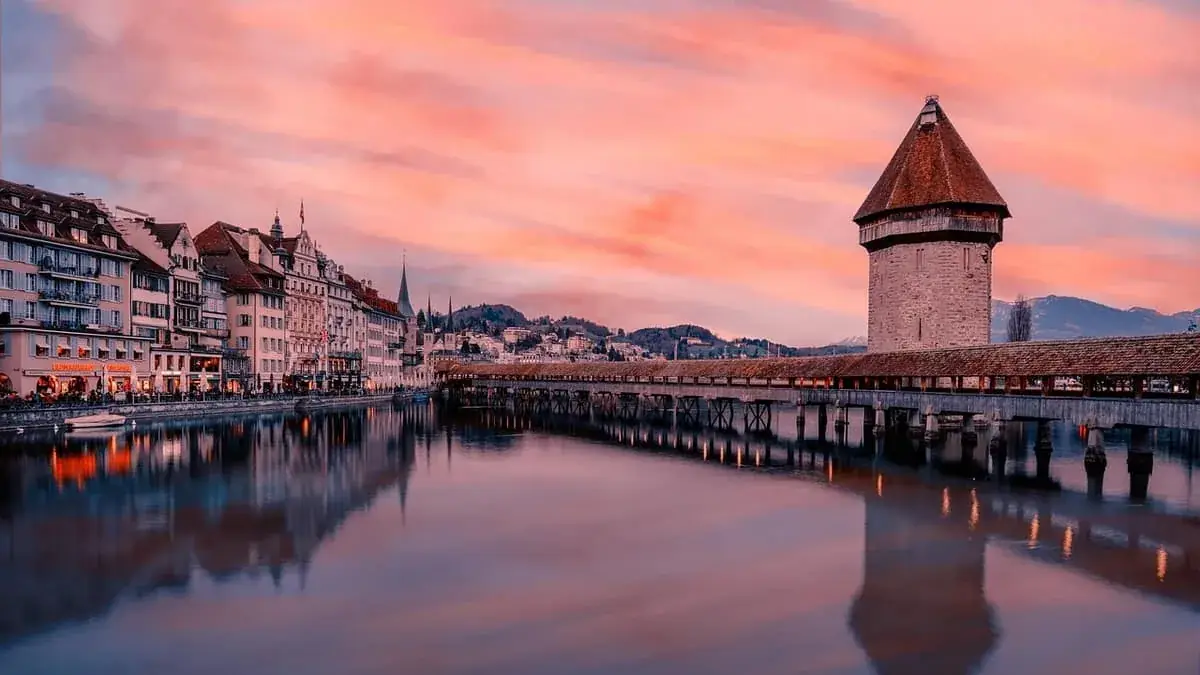
On May 10th in Como, sustainable tourism and the territory's future are discussed with workshops and debates.
Context
In brief
- Sustainable tourism event in Como on May 10th
- Workshops for children and debates with experts
- Access with free offer starting from 10 euros
- Concrete examples from Lugano and Locarno
Key facts
- What: Meeting on sustainable tourism and the future of the territory
- When: May 10th, 3:30 PM
- Where: Archivio Terragni and Spazio Canepa, via Sinigaglia 1, Como
- Who: Organized by Mani e pensieri, with the participation of Slow Lake Como and Gruppo giovani CAI Cantù
- Amount: Free offer starting from 10 euros
The Larian capital hosts the first appointment of Mani e pensieri, a cycle of meetings structured to combine the laboratory dimension and the critical analysis of the territory. The event will take place on May 10th, starting at 3:30 PM, at the spaces of Archivio Terragni and Spazio Canepa, located in via Sinigaglia 1. The initiative aims to support the realization of the Edera festival – creative landscapes.
The time schedule of the afternoon provides differentiated activities for age groups, focused on environmental protection and the perception of public space. From 4:00 PM to 5:30 PM, the Comunico association will take care of the children's workshop called Città Giardino. The intervention is configured as a reflection on urban greenery and the need to preserve the balance between urban architecture and the safeguarding of natural ecosystems.
Parallel to the educational activities, starting at 4:30 PM, a debate dedicated to the future of the territory and sustainable tourism strategies will be held. The debate, coordinated by Juta association, will see the participation of figures active in the promotion of conscious use models. Davide Bareggi, representative of Slow Lake Como, a reality focused on the promotion of slow tourism on Lake Como, and Amedeo Di Prima, member of the Gruppo giovani CAI Cantù, will intervene. The focus of the panel will be on the enhancement of mountain environments and the management of local tourist dynamics.
📊 Operational checklist for sustainable tourism:
- Context analysis: Assess the environmental impact of tourist activities.
- Planning: Create tourist routes that minimize environmental impact.
- Community involvement: Promote local participation.
- Monitoring: Use key performance indicators to assess the effectiveness of strategies.
💡 Concrete examples:
- Lugano: The municipality has implemented a sustainable mobility system with the introduction of electric buses and cycle paths, reducing CO2 emissions by 20% in the last five years.
- Locarno: The 'Locarno Sostenibile' project has led to the creation of 5 new urban parks, increasing the green area by 15% and improving the quality of life for residents.
⚠️ Regulations and rules:
- EU Directive 2008/56/EC: States that member states must adopt measures to protect the marine environment, including the promotion of sustainable tourism.
- Swiss federal law on environmental protection (LPAmb): Introduces rules for the sustainable management of natural resources, with fines up to 20,000 CHF for violations.
The concluding phase of the event, scheduled between 5:30 PM and 7:00 PM, will be dedicated to a moment of conviviality with refreshments and music. Access is subject to a free offer starting from 10 euros per person, with discounts for families and free admission for the 0-6 age group. Given the limited availability of seats, participation requires mandatory registration through the following booking form. Further updates on the Edera festival program are available on the official Instagram channel.
Operational details
The meeting on May 10 in Como represents an important opportunity to reflect on the future of sustainable tourism and the role that local communities can play in promoting conscious models of tourist development. The participation of experts such as Davide Bareggi of Slow Lake Como and Amedeo Di Prima of the Young CAI Group Cantù offers a unique opportunity to deepen strategies for enhancing mountain environments and managing tourist dynamics.
For cross-border workers living in Ticino and working in Como, this event can be an opportunity to discover new opportunities for slow and sustainable tourism. Slow tourism, promoted by Slow Lake Como, focuses on enhancing local resources and promoting tourism that respects the environment and communities. This approach can offer new job and economic development opportunities for cross-border workers, who can actively contribute to promoting more sustainable and conscious tourism.
'Slow tourism is not just a trend, but a necessity to preserve our territories and create a more sustainable future,' says Davide Bareggi.
In Ticino, municipalities such as Lugano and Locarno have already launched sustainable tourism projects, with concrete results. For example, Lugano saw a 15% increase in tourists in 2022 thanks to initiatives such as the 'Lugano Living Lab' project, which promotes sustainable tourism experiences. Furthermore, Ticino has introduced specific regulations to encourage sustainable tourism, such as a 10% contribution for accommodation facilities that adopt eco-friendly practices, with a maximum cap of 50,000 CHF per project.
📊 Operational checklist for cross-border workers interested in sustainable tourism:
- Inform yourself about local slow and sustainable tourism projects.
- Participate in workshops and laboratories to acquire specific skills.
- Collaborate with local associations to promote conscious tourist development initiatives.
- Evaluate the funding and contribution opportunities available for sustainable projects.
Furthermore, the meeting offers the opportunity to participate in educational workshops that directly involve local communities. The Città Giardino laboratory, for example, is an opportunity to reflect on the importance of urban greenery and the need to preserve the balance between urban architecture and the safeguarding of natural ecosystems. This type of initiative can be particularly relevant for cross-border workers living in urban areas who can actively contribute to promoting a more sustainable and livable urban environment.
💡 Comparison between practical scenarios:
- Current scenario: Mass tourism with significant environmental impact.
- Future scenario: Slow tourism with reduced environmental impact and greater involvement of local communities.
⚠️ Attention: It is fundamental that cross-border workers inform themselves about local regulations and available contributions to avoid incurring fines or losing funding opportunities. For example, in Ticino, accommodation facilities that do not comply with sustainable tourism regulations can be subject to fines of up to 10,000 CHF.
Useful tools to protect your net income
To reduce FX leakage, compare CHF-EUR exchange options and banks for cross-border workers.
Key points
To participate in the event on May 10th in Como, registration is required through the online booking form. Access is subject to a free offer starting from 10 euros per person, with discounts for family groups (20% discount for groups of 4 or more people) and free admission for the age group 0-6 years. It is important to book in advance, as places are limited to 200 participants.
During the event, participants will have the opportunity to take part in educational workshops and debates with industry experts. For cross-border workers living in Ticino and working in Como, this event can be an opportunity to discover new opportunities for slow and sustainable tourism. Slow tourism, promoted by Slow Lake Como, focuses on enhancing local resources and promoting tourism that respects the environment and communities.
📊 Concrete examples:
- Chiasso: 15,000 cross-border workers commute to Como, with an estimated economic impact of 500 million euros annually.
- Mendrisio: 30% of the active population works in Italy, mainly in the Como area.
- Campione d’Italia: 90% of the population consists of cross-border workers, with a daily flow towards Como.
💡 Operational checklist for cross-border workers:
- Check tax regulations: from 2024, the taxation of cross-border workers in Italy is subject to a 23% rate for the first 5 years, with a maximum cap of 90,000 euros gross annual income.
- Use the salary calculator to estimate the net amount: a cross-border worker with a gross salary of 60,000 euros will pay approximately 13,800 euros in taxes in Italy and 5,000 euros in Switzerland.
- Compare practical scenarios: a cross-border worker from Chiasso working in Como saves about 30% on taxes compared to a Swiss worker with the same income.
"Slow tourism is an opportunity to rediscover the territory in a sustainable and conscious way" — Slow Lake Como.
To learn more about sustainable tourism opportunities and to discover how to actively participate in promoting more conscious tourism, cross-border workers can visit the official website of Slow Lake Como and the Instagram channel of the Edera festival. These tools provide updated information on current initiatives and participation opportunities.
For more information and to book your participation, visit the official website of Slow Lake Como and the Instagram channel of the Edera festival. Additionally, to calculate your net salary and better understand the tax implications of cross-border work, use the salary calculator.
⚠️ Attention: Tax regulations can change, so it is advisable to consult an expert for specific updates.
Source: comozero.it
Frequently Asked Questions
- What is the main goal of the event on May 10th in Como?
- The main goal of the event is to promote sustainable tourism and reflect on the future of the territory through educational workshops and debates with experts.
- Who are the main speakers at the event?
- The main speakers are Davide Bareggi from Slow Lake Como and Amedeo Di Prima from the Young CAI Cantù Group.
- How can I participate in the event?
- To participate in the event, you need to register through the online booking form. Access is subject to a free donation starting from 10 euros per person.
Related articles
- All articles: Taxes
- Valposchiavo: Turismo 2025 in crescita
- Investimenti sicurezza e turismo a Valsolda
- Turismo a Como senza precedenti: quartieri in difficoltà e frontalieri esclusi
- Pulmino elettrico per Il Granello di Cislago: viaggi più sostenibili
- Turismo nel Varesotto 2026: numeri e opportunità per frontalieri