Car-Free Sundays in Switzerland: Is Ticino Moving Towards New Mobility? (cross-border guide)
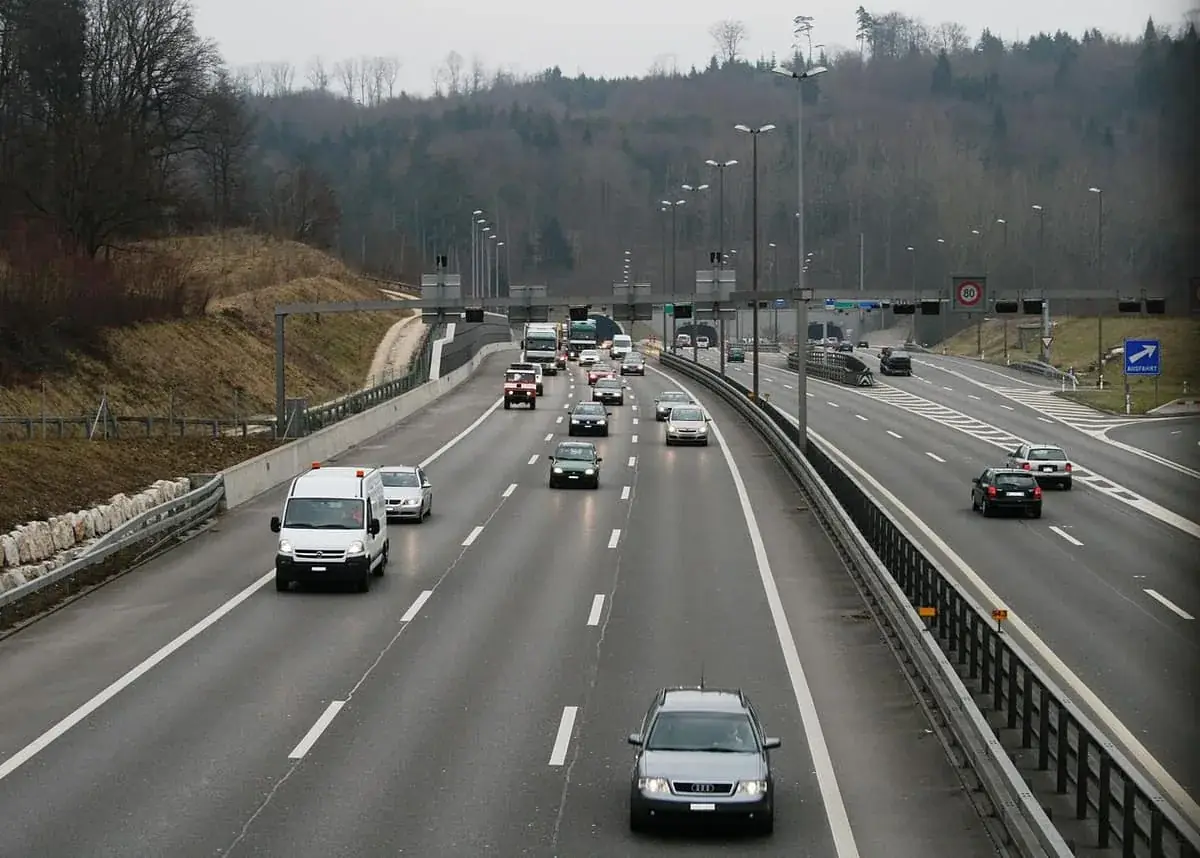
Martine Docourt is pushing for car-free Sundays at the federal level after Neuchâtel’s rejection. What this means for Ticino and cross-border commuters.
Context
TL;DR
- Car-free Sundays proposed for Ticino to reduce traffic and improve air quality.
- Federal legal framework needed to overcome regulatory obstacles.
- Impact on cross-border commuters and need for coordinated transport alternatives.
Key facts
- Proposal by: Socialist National Councillor Martine Docourt.
- Aim: Federal legal framework for cantons to organize car-free days.
- Potential start: As early as 2026.
- Main affected areas: Ticino, especially border crossings like Brogeda and Gaggiolo.
- Key departments involved: Department of Finance and Economy (DFE) and SECO.
- Main challenges: Balancing environmental protection with economic needs and daily mobility.
- Cross-border impact: Coordination with Italian authorities for smooth implementation.
The debate over car-free Sundays is heating up Swiss political circles again with a proposal that could also impact Canton Ticino and its border areas. Following the recent rejection by the Neuchâtel State Council, which deemed the measure legally unfeasible, Socialist National Councillor Martine Docourt announced her intention to propose a federal legal framework allowing cantons to organize car-free days.
This initiative comes amid growing awareness of environmental sustainability and urban quality of life—issues that directly affect residents and cross-border workers in Ticino. With border crossings like Brogeda and Gaggiolo daily clogged by traffic, a car-free Sunday could represent not only environmental relief but also an opportunity to rethink cross-border mobility.
…
Operational details
The car-free Sundays project faces several regulatory and organizational challenges that National Councillor Martine Docourt intends to address with a federal legislative proposal. Currently, cantons like Neuchâtel lack a clear legal framework to restrict car traffic on specific days, except for very limited and local exceptions.
The proposal aims to establish a legal basis authorizing cantons to institute car-free Sundays, defining criteria, territorial scopes, and application methods. This is a significant development for Ticino, where traffic management is a priority for cantonal offices, particularly the Department of Infrastructure and Mobility, which monitors daily traffic flows at border crossings such as Brogeda and Gaggiolo.
From a technical perspective, introducing car-free Sundays requires detailed planning, including:
- delimiting affected zones (urban centers, main roads, commercial areas);
- defining exceptions and exemptions for residents, emergency services, and public transport;
- prior and coordinated communication with involved municipalities, such as Lugano, Bellinzona, and Mendrisio;
- implementing transport alternatives, enhancing regional bus and train services, and promoting soft mobility (bicycles, scooters).
The source does not specify exact amounts or timelines for launching these initiatives, but Docourt’s proposal aims to introduce the legal framework by 2026. The legislation might also include tools for monitoring and evaluating environmental and social impacts, to adapt car-free days to local needs.
…
Key points
For residents and cross-border workers in Ticino, the car-free Sundays proposal opens up new and complex scenarios. While reducing traffic could improve air quality and urban livability, it also requires adapting to alternative mobility options.
Those who cross border points like Brogeda or Gaggiolo daily will need to consider more efficient public transport solutions and possibly plan work hours and activities differently on these days. Strengthening Ticino’s public transport, with improved services from Bellinzona to Mendrisio and Lugano, becomes strategic to avoid inconvenience and encourage temporary abandonment of private cars.
Cantonal offices, particularly the Department of Finance and Economy (DFE) and SECO, will need to collaborate to ensure that measures do not penalize the local and cross-border economy. Municipalities such as Chiasso, Mendrisio, and Lugano are also called upon to play an active role in coordination and communication with citizens.
A practical suggestion for those living or working in Ticino is to monitor regulatory updates and use tools like our salary calculator to assess any economic impacts related to mobility changes. Additionally, exploring public transport options and planning trips and activities in advance during car-free Sundays can help avoid disruptions.
Ultimately, Martine Docourt’s proposal represents a step towards a more sustainable Switzerland at the cantonal level as well. Ticino, with its unique border area characteristics and strong cross-border mobility, will need to face the challenge with integrated and pragmatic solutions. Active participation from citizens, institutions, and businesses will be crucial to turn this idea into a real benefit.
…
Frequently Asked Questions
- What are the possible repercussions of the proposal of carless Sundays in the Canton Ticino and the border areas?
- The proposal could reduce traffic and improve air quality and urban viability, but it entails the need to adapt to alternative modes of travel and could penalize everyday mobility and operation.
- How could the proposal of homeless Sundays affect the economic activities of border municipalities such as Chiasso and Mendrisio?
- The proposal could reduce traffic and improve livability, but it requires a strengthening of public transport not to penalize local and cross-border economic activities, ensuring accessibility to shopping centres and services.
- What are the possible exceptions for border guards during Sundays without a car in the Canton Ticino?
- The possible exceptions for border guards during Sundays without car could include derogations for those who have to work and cannot use public transport, as well as emergency services and public transport. Coordination with the Italian authorities will be crucial to ensure that the necessary cross-border movements are possible without serious inconvenience.
- How could the strengthening of public transport influence the frontier workers in the Canton Ticino?
- The strengthening of public transport, with improved services from Bellinzona to Mendrisio and Lugano, could facilitate cross-frontier movements, reducing dependence on private cars. This could lead to more efficient train and bus schedules and frequencies, encouraging the use of public transport and improving the quality of urban life.
- What studies are planned to assess the impact of car-free Sundays in Canton Ticino?
- Research institutes such as SUPSI and USI could conduct in-depth studies to assess the impact of carless Sundays, analyzing aspects such as traffic, air quality and the satisfaction of citizens and frontier workers. The results of these studies will provide concrete data to guide political and administrative decisions regarding the implementation of these initiatives.
Related articles
- All articles: Transport and traffic
- Domeniche senza auto in Ticino: Glarona fa da apripista
- UST Neuchâtel: 300 dipendenti in telelavoro | Frontaliere
- Cassa malattia Neuchâtel: guida giovani 19-25 anni
- Neuchâtel vieta palloncini e lanterne: prima svizzera
- Infermieri ticinesi: la fuga verso Milano per trovare lav