Advanced Practice Nurses: The new role in Ticino’s healthcare system
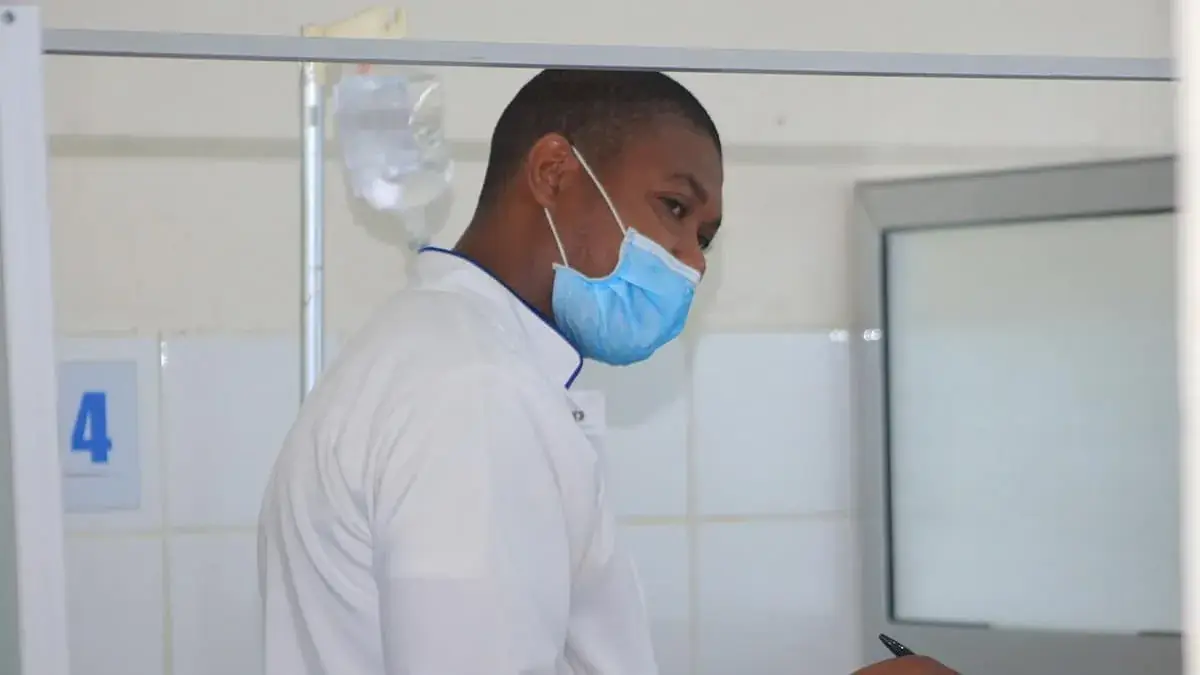
The fourth edition of the Nursing Innovation and Research Day in Lugano highlighted the APN, a key figure in modernizing patient care at the bedside, with 60 professionals already locally trained.
Context
TL;DR
- Advanced Practice Nurses (APNs) are crucial for Ticino's healthcare challenges.
- APNs reduce wait times and improve care for cross-border workers.
- Ticino's APN training started in 2018, with 60 professionals trained so far.
- APNs can prescribe medications, optimizing healthcare resources.
Key facts
- Event Date: May 20, 2024
- Event Location: University Campus, Lugano
- APN Training Start: 2018
- APN Training Frequency: Every two years
- APN Training Cost: 4,500 CHF annually
- APN Training Duration: Two years
- APN Training Provider: SUPSI
- APN Prescription Authority: Yes, under strict protocols
On Monday, May 20, 2024, the University Campus in Lugano hosted the fourth edition of the Nursing Innovation and Research Day, jointly organized by the EOC and SUPSI. The event, which brought together over 150 professionals in the field, placed the spotlight on the Advanced Practice Nurse (APN) role—a figure that is increasingly strategic in addressing the healthcare challenges facing the Canton.
According to Loris Bonetti, Head of Nursing Research at EOC, the day's goal was to highlight the collaboration between clinical practice and research. 'It is essential that issues or needs arising from clinical practice are translated into research projects and then fed back into practice,' he explained during his speech. This synergy enables the development of concrete solutions to improve patient care, particularly in a context of an aging population and rising incidence of chronic diseases.
…
Operational details
The introduction of the Advanced Practice Nurse (APN) in the healthcare landscape of Ticino marks a concrete turning point for cross-border workers and patients who live in Ticino but work in Lombardy, or vice versa. This new role can reduce the fragmentation of care between the two healthcare systems, ensuring more effective continuity of care. But what are the practical implications for those living in this cross-border reality?
Impact on cross-border workers: shorter waits, more targeted care
Cross-border workers seeking care in the Ticino healthcare system could benefit from faster and more personalized assistance. 'APNs can directly intervene in managing chronic therapies, such as diabetes or hypertension, reducing the need for specialist visits,' explains a nurse trained in the SUPSI master’s program. This means fewer days off work to visit a general practitioner or specialist—a significant advantage for those who cross the border daily.
Moreover, the APN figure can act as a bridge between the Italian and Swiss healthcare systems. 'Many cross-border workers struggle to navigate the two systems, especially due to bureaucratic or language barriers,' adds a sector expert. Thanks to their advanced training, APNs can facilitate understanding of different procedures and ensure more homogeneous care management.
📊 Key benefit: Reduced waiting times for minor adjustments to therapies, such as medication prescriptions, without needing to see a doctor.
Comparison with the past: before and after the APN
Before the introduction of the APN, Ticino patients and cross-border workers often faced long waits for specialist visits or therapy adjustments. Now, they can turn directly to a nurse with advanced skills for minor care adjustments without waiting for doctor’s appointments.
…
Key points
For cross-border workers and healthcare professionals interested in becoming Advanced Practice Nurses (APNs), SUPSI has launched a structured two-year training program that runs every two years. Here are the key steps to access the Master of Science in Nursing and acquire the necessary skills.
Admission requirements for the master's program
The program, active since 2018, is open to nurses holding a bachelor's degree or an equivalent qualification recognized in Switzerland. 'No specific degree is required, but at least two years of professional experience are essential,' explains Monica Bianchi. Applications must be submitted to SUPSI by the deadlines listed on the official website, typically in January for a September start.
Program structure: what you will study
The master's program spans two years, combining in-person classes with practical placements at EOC facilities. 'The curriculum includes modules on nursing leadership, applied research, chronic care management, and complex patient management,' says Bianchi. Students are required to develop a research project, which is presented during the Innovation Day event.
Costs and funding opportunities
The annual cost of the master's program is approximately 4,500 CHF, though scholarships and discounts are available for EOC employees. 'We collaborate with the health directorate to offer discounts to our staff,' notes an EOC representative. Additionally, some healthcare companies in the region provide training contracts that cover part of the expenses.
…
Frequently Asked Questions
- What are the requirements to access the SUPSI Master in Advanced Nursing Practices?
- Applicants must be registered nurses holding a bachelor's degree or an equivalent qualification recognized in Switzerland, with at least two years of professional experience. Applications must be submitted by January for a September start.
- Can Advanced Practice Nurses (APNs) prescribe medications in Ticino?
- Yes, this role has been nationally regulated following the adoption of the cantonal law in Vaud in 2018. Ticino-based APNs can prescribe certain medications, easing the burden on primary care physicians.
- How much does the master's program cost, and are there discounts for EOC employees?
- The annual tuition fee is approximately 4,500 CHF. EOC employees can access scholarships and discounts through partnerships between the employer and SUPSI. Some healthcare companies also offer training contracts.
- How can a cross-border worker become an APN and work in both Ticino and Lombardy?
- After obtaining the qualification in Ticino, it is necessary to verify its recognition by the Lombardy health authorities. APNs can practice in both systems as long as they comply with local regulations.
- What are the employment prospects for an APN trained in Ticino?
- The 60 nurses already trained occupy roles in hospital wards, care centers, and home care services. Career opportunities span both public and private sectors, with potential for advancement.
Related articles
- All articles: Health and insurance
- Caso Nurnberg risolto: RSI paga tutte le pretese avanzate
- Vivere a Druogno e lavorare in Ticino da frontaliere
- Coalizione sanitaria: «Calpestata la volontà popolare»
- Settori in crescita nel mercato del lavoro ticinese
- Vivere a Grandate e lavorare in Ticino da frontaliere