Final sentences for the Viareggio railway massacre
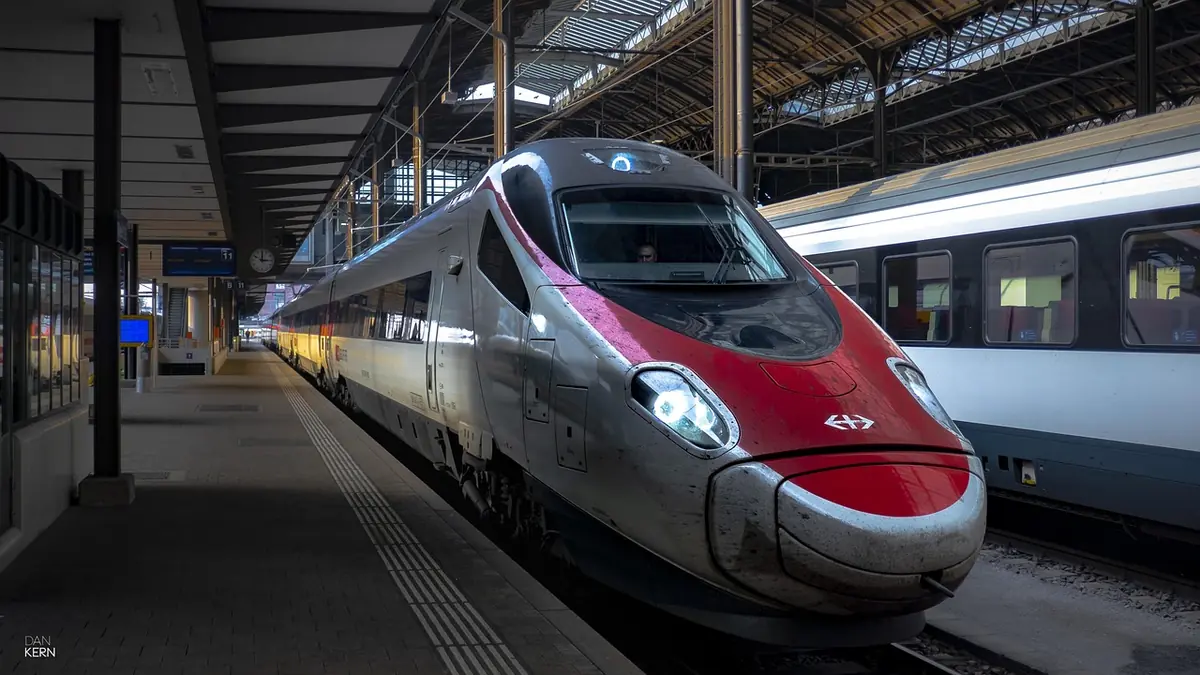
The Italian Supreme Court confirms the penalties: five years for Mauro Moretti, former CEO of Ferrovie Italiane, in the case of the Viareggio tragedy of 2009.
Context
In short
- Final convictions for the Viareggio massacre
- 32 dead and over 100 injured in 2009
- Mauro Moretti sentenced to five years
Key facts
- What : Final criminal convictions for the train accident
- When: Recently confirmed by the Court of Cassation
- Where: Italy, at the Court of Cassation
- Who: Former CEO of Fs and RFI Mauro Moretti
- Amount: 5 years in prison for Moretti On 29 June 2009, in Viareggio, a derailment of a freight convoy loaded with LPG caused an explosion that resulted in 32 dead and over 100 injured. The Italian Court of Cassation recently upheld the penalties set out in the ter appeal, making the five-year prison sentence final for Mauro Moretti, 72, former CEO of Ferrovie dello Stato and RFI. The sentence also involved nine other positions, all for the crime of negligent railway disaster, while Moretti also responds for fire. The Supreme Court rejected the defendants' appeals, accepting the request of the General Prosecutor's Office. Moretti's defence team commented on the sentence as "profoundly unfair" and assessed a request for house arrest. The decision concludes one of the longest and most complex proceedings in Italian judicial history, marked by various degrees of judgment and referrals. The Viareggio accident, one of the most serious in Italian railway history, has led to debates on railway safety and liability
Operational details
The analysis of the Viareggio judgment also reveals how much criminal liability can influence railway safety policies at the international level. The conviction of Mauro Moretti, former CEO of Ferrovie Italiane, could prompt companies and public bodies to review their risk management systems. In Switzerland, railway authorities and companies have always been committed to strict regulations, as evidenced by the focus on safety procedures and infrastructure maintenance. However, the Italian episode highlights how the risk of criminal liability can be a further incentive to maintain high standards. For border workers, safety at work and the responsibilities of companies are aspects that directly affect their daily lives. The possibility of verifying and requesting greater security guarantees is an important step to protect your rights. In addition, this story opens a comparison between Italian and Swiss safety regulations, with possible requests for harmonization or exchange of best practices. Cross-border collaboration on railway safety could intensify, also thanks to pressure from international bodies. To learn more about the Swiss regulations on railway safety and company responsibilities, it is advisable to consult the SECO portal and the guidelines on safety and
Recommended tools
For an updated estimate, use the net salary calculator and the CHF-EUR exchange comparator.
Key points
For border crossers and commuters, knowing the procedures in case of railway accidents is essential. The first action to take is to verify the insurance and legal rights through official instruments. In Switzerland, the liability and compensation system is well-structured, but it is important to know how to act in the event of an accident. If an incident similar to the one in Viareggio occurs, it is advisable to follow these steps: - Immediately report the incident to the railway safety authorities and the companies involved. - Collect all possible evidence: photographs, testimonies, documents. - Consult your insurance contract and check the coverage provided. - Contact a lawyer specialised in transport law or civil liability. In Switzerland, you can use tools such as the Liability and Compensation Calculator, available on our website, to estimate possible compensation and navigate compensation claim procedures. For commuters and workers in the railway sector, it is also advisable to enroll in safety training and refresher courses, available from trade associations or industry institutions. Collaboration between the Italian and Swiss authorities could lead to new prevention and emergency management initiatives. Finally, monitor the official news and communications of the Italian railway authorities
Source: rsi.ch
Frequently Asked Questions
- What is the penalty for Mauro Moretti in the final judgment of Viareggio?
- The final sentence confirms the sentence to five years in prison for Mauro Moretti, former CEO of Ferrovie Italiane and RFI, for the derailment and explosion of 2009.
- What happened on 29 June 2009 in Viareggio?
- A freight convoy loaded with LPG derailed, causing an explosion that left 32 dead and over 100 injured. The tragedy led to definitive trials and convictions.
- How can border guards act in the event of a train accident?
- In the event of an accident, it is advisable to report the incident to the authorities, collect evidence, check the insurance and consult a lawyer. Use official tools for compensation.
- What are the implications of this ruling for the Swiss railway sector?
- The conviction could strengthen safety and liability standards in Switzerland as well, prompting companies to maintain high standards and improve risk management.
- What procedures should be followed for compensation in Switzerland?
- Check your insurance, gather evidence and consult a lawyer. It is useful to use tools such as the responsibility calculator available on the site.