Swiss Franc: Economics and Monetary Policy of the SNB (cross-border guide)
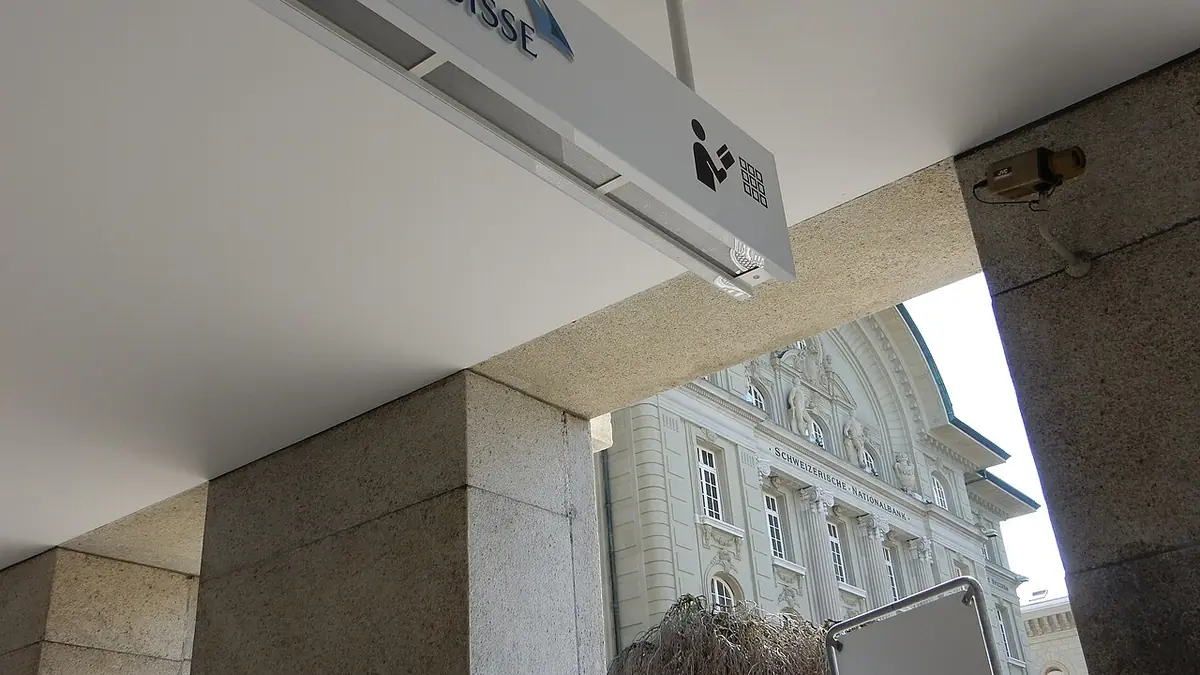
Learn about the role of the Swiss National Bank in monetary policy and the impact of the strong franc on the economy and wages.
Context
In a nutshell
- The SNB manages Swiss monetary policy.
- The strong franc affects the economy and wages.
- Tax rates are set by federal and cantonal laws.
Key facts
- What: SNB monetary policy
- When: Continuously
- Where: Switzerland
- Who: Swiss National Bank
- Amount: Not specified
The Swiss National Bank (SNB) plays a crucial role in Switzerland's monetary policy, directly influencing the economy and wages. The strong franc, one of the country's main economic concerns, has a significant impact on various sectors, including wages and export competitiveness. The SNB uses tools such as interest rates to maintain price stability and support economic growth.
Tax Rates and Contributions
Switzerland has a complex tax system that includes federal and cantonal rates. Swiss rates/contributions include AVS/AI/IPG at 5.3% for employees, AD/AC at 1.1% with a ceiling of CHF 148'200, LAINF between 0.7% and 1.5%, and LPP between 7% and 18% for age groups from 25 years. In Italy, the IRPEF varies from 23% for income up to €28,000, to 35% for income between €28,001 and €50,000, and to 43% for income over €50,000.
Impact of Franco Forte
The strong franc represents a challenge for the Swiss economy, as it makes exports more expensive and reduces the competitiveness of Swiss companies in the markets
Operational details
Practical Analysis
The SNB's monetary policy has a direct impact on the Swiss economy and border workers' wages. The strong franc, while it can make exports more expensive, also offers stability and confidence to international investors. The SNB uses tools such as interest rates to maintain price stability and support economic growth.
Comparison between Old and New Frontiersmen
The old frontier workers, those who were already working before 17 July 2023, benefit from an exemption of €7,500, while the new frontier workers have a deductible of €10,000. This transitional regime, which runs from 2024 to 2033, aims to ease the transition for frontier workers.
Implications for Swiss Companies
Swiss companies must adapt to the strong franc, trying to maintain competitiveness in international markets. The SNB, through its monetary policy, seeks to balance price stability with the need to support economic growth. Businesses can benefit from tools like the salary calculator to better understand tax rates and plan their finances.
Hypothetical Scenarios
A frontier worker in a similar situation could benefit from the transitional regime, which offers a higher allowance for new frontier workers. This can influence the decision to work in Switzerland or to stay in Italy, depending on economic conditions and
Useful tools for your case
To verify your within/over 20 km tax scenario, use the net salary calculator and the tax return guide.
Key points
Action: Step-by-Step Procedure
For frontier workers who want to better understand their taxes and plan their finances, it is important to follow a clear procedure and use useful tools. Here's a step-by-step guide:
Step 1: Calculate Your Net Salary
Use the salary calculator available on the Frontaliere Ticino website to enter your specific income data and obtain an accurate estimate of the taxes payable in Switzerland and Italy.
Step 2: Understanding Tax Rates
Tax rates for border workers in Switzerland include AVS/AI/IPG at 5.3%, AD/AC at 1.1% with a ceiling of CHF 148'200, LAINF between 0.7% and 1.5%, and LPP between 7% and 18% for age groups from 25 years. In Italy, the IRPEF varies from 23% for income up to €28,000, to 35% for income between €28,001 and €50,000, and to 43% for income over €50,000.
Step 3: Filing Taxes in Switzerland and Italy
In Switzerland, the source tax is withheld directly by the employer, while in Italy, the tax credit is applied through the EC framework of 730. This process can be complex, but tools like the payroll calculator can help you better understand tax rates and plan your finances.
Step 4: Use Useful Tools
To calculate their net salary and better understand tax rates, frontier workers can use the salary calculator
Frequently Asked Questions
- What are the tax rates for border workers in Switzerland?
- Tax rates for border workers in Switzerland include AVS/AI/IPG at 5.3%, AD/AC at 1.1% with a ceiling of CHF 148'200, LAINF between 0.7% and 1.5%, and LPP between 7% and 18% for age groups from 25 years.
- How is the tax credit calculated in Italy for border workers?
- The tax credit in Italy for border workers is calculated through the EC framework of 730, which allows to avoid double taxation.
- What are the implications of the strong franc for border workers' wages?
- The strong franc can affect frontier workers' wages by making imported goods more expensive and increasing the cost of living. The SNB seeks to mitigate these effects through its monetary policy, but wages can still be affected by export competitiveness and labor demand.
Related articles
- All articles: Franc and prices
- Inflazione aumenta in Svizzera: la BNS potrebbe rivedere i tassi?
- Franco svizzero ai minimi rispetto all'euro
- Franco svizzero ai minimi rispetto all'euro: cosa significa per l'economia
- Il franco svizzero e la fase di debolezza valutaria
- Esportazioni svizzere in crisi: il CEO di Kägi lancia l'allarme