Secondhand markets: warranty, sidewalk and counterfeit goods across the border
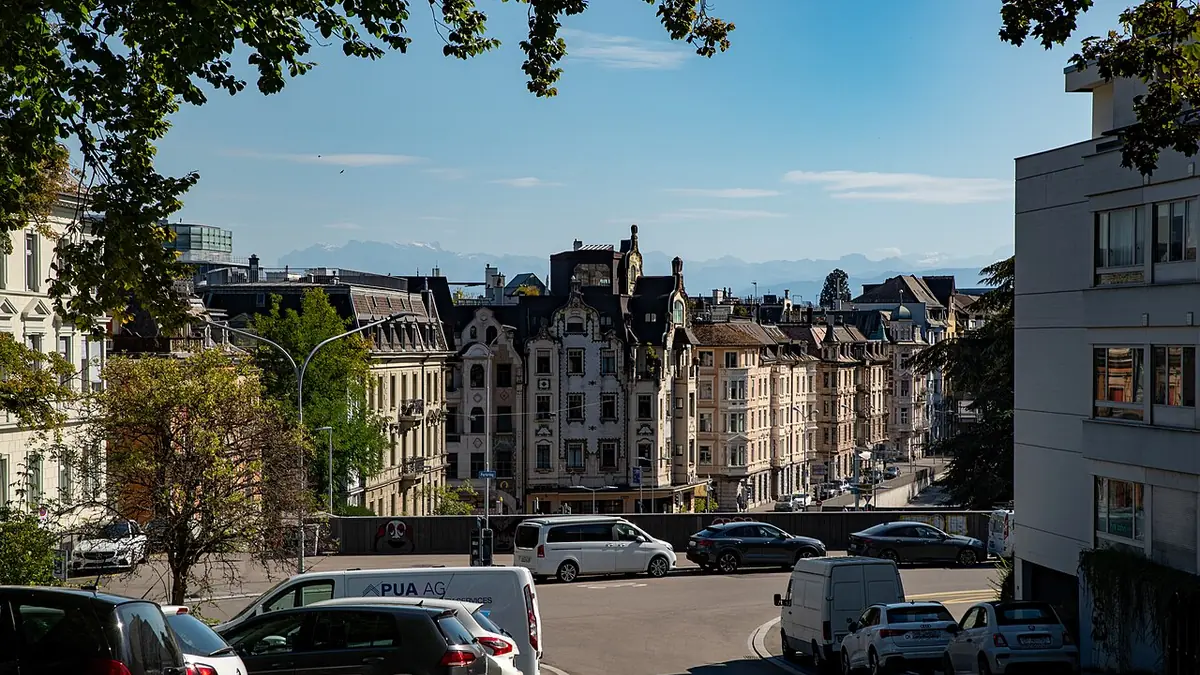
Used: one-year warranty, unless explicitly excluded «Sold as seen» excludes the warranty Free items on public land: often prohibited Fakes
Context
TL;DR
- Used item: one-year warranty, unless explicitly excluded
- «Sold as seen» excludes the warranty
- Free items on public land: often prohibited
- Counterfeits from abroad: seizure and approximately 100 francs
Key facts
- Guarantee at a flea market → one year, unless excluded
- Receipt → at least the seller's details
- Public space → no general right to distribute for free
- Private land → gifts generally permitted
- Counterfeits from abroad → possible seizure and a fee of about 100 francs
- Returns and exchanges → granted only voluntarily
Gabriela Baumgartner's explanations (Radio SRF 1, October 5, 2026) start from a concrete misconception: an item with the word «free» written on the sidewalk is not automatically a lawful gift. The market also includes flea markets, second-hand shops and online platforms.
Public space and private land
In many municipalities, leaving boxes containing books, furniture or other items on the sidewalk or along the road may be considered illegal waste disposal and, when it takes place on public land, is often prohibited. There is no general right to distribute goods for free while occupying public space. Some cities apply strict rules, while others tolerate the practice as long as the passage remains clear and the items are removed promptly.
On private land, it is generally permitted to leave items intended to be given away: by making them available, the original owner relinquishes ownership and whoever collects them becomes their lawful owner. Excluded are bags from official used-clothing collections, which remain the property of the sponsoring organization. The provisions of the Code of Obligations also apply to purchases made at flea markets.
In principle, anyone who buys a used item benefits from a one-year warranty. The seller may exclude it: «sold as seen» is an explicit exclusion, and the buyer waives the related rights. A receipt containing at least the seller's details makes it possible to identify who sold the goods in the event of disputes.
The sale of stolen goods or counterfeit articles constitutes a criminal offense. Someone who buys a product of this type in good faith at a flea market in Switzerland does not, however, commit a criminal offense. If the purchase takes place abroad, counterfeit branded products may be seized, and anyone who brings them into Switzerland risks a fee of about 100 francs.
In second-hand shops, the warranty provided for second-hand goods lasts one year instead of two and may be excluded if the customer is clearly informed. Swiss law does not provide for a general right of withdrawal: returns and exchanges depend on the seller's willingness.
Operational details
A used item does not always follow the same rule
The practical distinction concerns the location, the type of seller, and the condition attached to the purchase. A box left in the street is subject to different rules from an item displayed on private property. Likewise, a flea market and a second-hand shop have warranties of similar duration, but the latter is a commercial establishment in every respect.
Four useful comparisons
| Situation | Consequence indicated by the source |
|---|---|
| Public land | The gift may be prohibited or considered illegal disposal |
| Private land | The gift is generally permitted and ownership passes to whoever takes the item |
| Flea market in Switzerland | One-year warranty, unless excluded; a good-faith buyer does not commit a criminal offense |
| Second-hand shop | One-year warranty instead of two, with possible clear exclusion |
| Cross-border purchase | Counterfeit branded products may be seized and entail a fee of approximately 100 francs |
The first comparison shows that price is not the only factor to consider. Before even asking whether an item is a good deal, whoever offers it free of charge must consider whether it is on public land or private property. The consequence may be that the practice is prohibited or that ownership passes to whoever picks up the item.
The second concerns the warranty. At a flea market, the buyer is entitled, in principle, to a one-year warranty, but may lose it by accepting a formula such as «sold as seen». In a second-hand shop, the period is one year instead of two, and exclusion is possible when the customer is informed clearly. The duration of the warranty, however, does not create a general right to return the goods: Swiss law does not require the seller to take back a purchase made in error.
The exceptionally low price then requires a separate assessment. If a genuine designer bag is offered well below market value, the buyer may purchase it without informing the seller of its real value. The seller may, however, challenge the contract if he proves that he sold the item without knowing its value.
Finally, the risk linked to the border changes. A good-faith purchase at a Swiss flea market does not constitute a criminal offense for the buyer. For purchases in neighboring countries, however, customs checks on counterfeit branded products can lead to seizure and a demand for a fee of approximately 100 francs.
Key points
Before closing the deal
Five practical steps
1. If you want to give an item away, check where you are leaving it. Sidewalks and streets are public spaces: in many municipalities, this practice is prohibited and may be considered illegal waste disposal. On private property, it is generally permitted. Bags used for official collections of used clothing, on the other hand, remain the property of the organization promoting the collection.
2. Before buying, carefully check the condition of the item. Ask the seller questions and ask yourself whether the price is plausible. When it appears exceptionally advantageous, the source urges caution; if you decide to proceed anyway, ask for a receipt.
3. At the flea market, have at least the seller’s details included on the receipt. In the event of a subsequent dispute, this makes it possible to identify who sold the goods. Also check whether there are clauses excluding the warranty: “sold as seen” has this effect.
4. In a second-hand shop, ask what warranty comes with the item. For second-hand goods, it lasts one year instead of two, but the retailer may exclude it if they clearly inform the customer. Do not take an exchange for granted: returns and replacements are voluntary.
5. If you buy in neighboring countries and the item is branded, pay particular attention to the risk of counterfeiting. Customs authorities may seize the product, and anyone bringing it into Switzerland risks a fee of around 100 francs. The buyer’s good faith excludes criminal liability for a flea-market purchase in Switzerland, but does not eliminate the stated risk when returning from abroad.
After the sale or purchase, do not confuse the warranty with the right of withdrawal: the latter is not general. If the purchase turns out to be a mistake, the seller is not required to take the goods back, unless they voluntarily choose to offer a return or exchange. To compare exchange rates for cross-border purchases, consult the comparatore CHF/EUR.
Source: rsi.ch
Frequently Asked Questions
- What is the warranty period for used items purchased at the flea market in Switzerland?
- In principle, anyone who buys a used item benefits from a one-year warranty. The seller may exclude it with the wording «sold as seen»; in that case, the buyer waives the related rights.
- What happens if a free item is left on the sidewalk or on public property?
- In many municipalities, leaving boxes or objects on the sidewalk is considered illegal waste disposal and may be prohibited; there is no general right to distribute goods free of charge while occupying public space. Some cities apply strict rules, while others tolerate it if the objects do not obstruct passage and are collected soon.
- What risks are involved in purchasing counterfeit branded products abroad and bringing them into Switzerland?
- If the purchase takes place abroad, counterfeit branded products may be confiscated by customs authorities, and anyone bringing them into Switzerland risks a fee of about 100 francs. Good faith excludes criminal liability for purchases at the Swiss flea market, but does not eliminate the customs risk when returning from abroad.
Related articles
- Di più Auto: mercato del nuovo non decolla, svizzeri preferiscono l'usato
- Lavoro oltreconfine: l'esercito dei frontalieri non 'marcia' solo in Ticino
- Svizzeri in fuga all'estero: l'impatto del costo della casa
- Telelavoro in Svizzera: flessibilità sì, disconnessione no
- Autorizzazione edilizia Canton Zurigo: requisiti e procedura