Arms exports and security in Switzerland: referendum on November 29
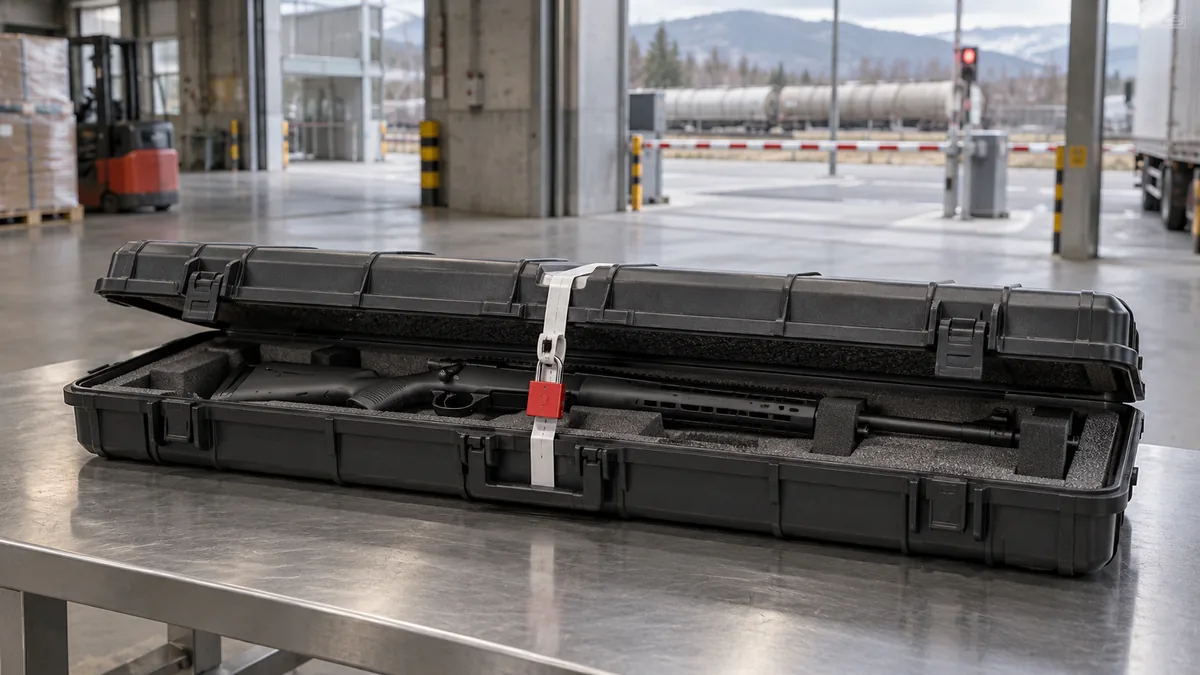
The referendum on the law is scheduled for November 29 36 Western countries would have greater purchasing freedom The Federal Council would retain a veto
Context
TL;DR
- The referendum on the law is scheduled for November 29
- 36 Western countries would have greater freedom to purchase
- The Federal Council would retain a veto over neutrality
- Supporters link the revision to technology and jobs
Key facts
- Vote → 29 November
- Countries concerned → 36 Western countries
- Veto → Federal Council
- Exclusion → States with serious and systematic human rights violations
- Campaign → Swiss Security Alliance and Swiss Employers' Association
- Re-export → Ukraine excluded
The vote on the weapons law, against which a referendum has been launched, is scheduled for 29 November. A coalition of representatives of the UDC, the PLR, the Centre and the Green Liberals supports its approval. According to the proponents, without more flexible rules for the export of war materiel, Switzerland would risk losing the technologies and know-how needed for its own defence.
The new framework would allow 36 Western countries to purchase Swiss arms with greater freedom than today, even if they were involved in a war. Nations that seriously and systematically violate human rights would remain excluded. The Federal Council would have a right of veto, for example if it deemed the exports dangerous to neutrality. As regards re-export, in principle all countries could transfer to third parties the material purchased in Switzerland; Ukraine is excluded. The Federal Council could require a guarantee that it would remain in the purchasing country if there were doubts about Swiss neutrality or Swiss foreign and security policy.
The supporters' campaign
The campaign in favour of the revision is being conducted under the auspices of the Swiss Security Alliance and the Swiss Employers' Association. The proponents argue that the rules should be made more flexible in light of developments in the international situation.
National Councillor Reto Nause (Centre/BE) told the media today that «Parliament amended the War Material Act because we are facing the stark reality of a world at war.»
Nause argued that Switzerland should remain integrated into the international value chain in order to procure war materiel and preserve expertise useful for defence. Michael Götte (UDC/SG) referred to the veto linked to neutrality and argued that the revision would strengthen it rather than weaken it.
Monika Rühl, director of Economiesuisse, warned that a no vote could put numerous jobs at risk: the relocation of companies abroad would also eliminate apprenticeships in the technology sector and highly qualified jobs. Sidney Kamerzin (Centre/VS) clarified that the new rules would not constitute an unconditional authorisation: states that systematically violate human rights or use weapons against their own civilian population would continue not to receive supplies. The checks, he added, would remain in place, but would be shifted from the time of the conflict to the time of purchase.
Operational details
The repercussions for the Swiss supply chain
For those who live or work in Switzerland, the issue described by the source hinges above all on three connected elements: the ability to export, the continuity of the technology industry and the ability to support defense. The issue is not only how many weapons can be sold, but when Switzerland exercises control and how much leeway it gives purchasing countries.
Before and after: when control is exercised
| Point | Situation described today | Proposed approach |
|---|---|---|
| Purchase in wartime | A neighboring country or partner under attack no longer receives Swiss ammunition or spare parts. | The 36 Western countries can purchase with greater freedom even if they are involved in a war. |
| Re-export | What a country has bought from Switzerland cannot be transferred to its allies. | In principle, the material can be transferred to third parties; Ukraine is excluded, and the Federal Council may request a guarantee. |
| Control | According to Michael Götte, today the decision is made only when a conflict breaks out, with international and media pressure already in place. | Control shifts to the time of sale, with the Federal Council having veto power. |
The comparison highlights the risk identified by the Alliance: rejecting the new rules could weaken the industrial base that supports the defense system. Monika Rühl links a possible relocation of companies abroad to the loss of apprenticeships and highly skilled jobs. Vaud National Councillor Céline Weber adds that, in recent years, several companies specializing in research and development have moved their headquarters abroad; start-ups and spin-offs in artificial intelligence, drones and information technology have been founded directly outside Switzerland.
The issue also affects military planning. Heinz Theiler, a PLR member from Schwyz in the National Council, has deemed it imprudent to invest billions in the army while simultaneously leaving the industry that keeps those systems running in crisis. His argument therefore links export policy to the future availability of technology and expertise, not just to arms sales.
For Swiss residents, the practical effect identified by the supporters is indirect but concrete: a choice about export rules can affect whether industrial activities, research, apprenticeships and skilled jobs remain in Switzerland. The source attributes this assessment to the revision's supporters.
Key points
How to assess the choice before November 29
The source makes it possible to turn the discussion into an orderly assessment, without confusing export, re-export and neutrality. To form an opinion on the vote, the process can follow five steps.
1. Identify the subject. The referendum concerns the Weapons Act and the revision of the rules for war materiel. The date indicated is the vote on November 29. 2. Separate the recipients. The greater freedom to purchase is not described as applying to the whole world: it concerns a group of 36 Western countries. The proposal excludes nations responsible for serious and systematic human rights violations. 3. Distinguish between purchase and transfer. Even if all countries would, in principle, have the possibility of transferring to third parties the armaments bought in Switzerland, Ukraine remains excluded under the framework reported by the source. 4. Verify the role of the Federal Council. The point to examine is its power of veto at the time of sale. In the event of doubts about neutrality or foreign and security policy interests, the Federal Council could also request a guarantee that the material remain in the purchasing country. 5. Compare the consequences. On the one hand, there are the Alliance’s reasons: maintaining technologies, know-how, companies, apprenticeships and skilled jobs in Switzerland. On the other, there is the political question of neutrality and the limits to be maintained, to which the proponents respond by invoking the veto and oversight.
Two scenarios to keep separate
With approval, the framework described by the new approach would open greater possibilities for sales to the 36 Western countries and make re-export more flexible, while still leaving the Federal Council tools for intervention. With rejection, the current rules described in the source would remain: a neighboring country or an attacked partner would no longer receive Swiss ammunition or spare parts and could not transfer to its allies what it had purchased. Supporters also warn that a no vote would put technologies, know-how, jobs and apprenticeships at risk.
To follow the employment dimension of the discussion, consult annunci di lavoro.
Source: swissinfo.ch
Frequently Asked Questions
- When is the vote on the weapons law scheduled?
- The vote is scheduled for November 29, 2026, the date indicated in the source as the day of the referendum on the law on weapons. Voters will be called upon to decide whether to approve the revision that introduces more flexible rules on the export of military equipment, supported by the Swiss Security Alliance and the Swiss Employers' Union.
- How many Western countries will have greater freedom to purchase Swiss weapons?
- According to the source, the new approach would allow 36 Western countries to purchase Swiss arms with greater freedom than today, even when they were involved in a war. These are the Western countries, while nations that seriously and systematically violate human rights remain excluded.
- What is the role of the Federal Council in the new regulations on exports of war materiel?
- The Federal Council retains veto power over exports it deems dangerous to Swiss neutrality and, in case of doubts about neutrality or foreign and security policy, may request a guarantee that the material will remain in the purchasing country. For re-export, in principle all countries could transfer to third parties the material purchased in Switzerland, but Ukraine is excluded.