People with intellectual disabilities, consultation on political rights
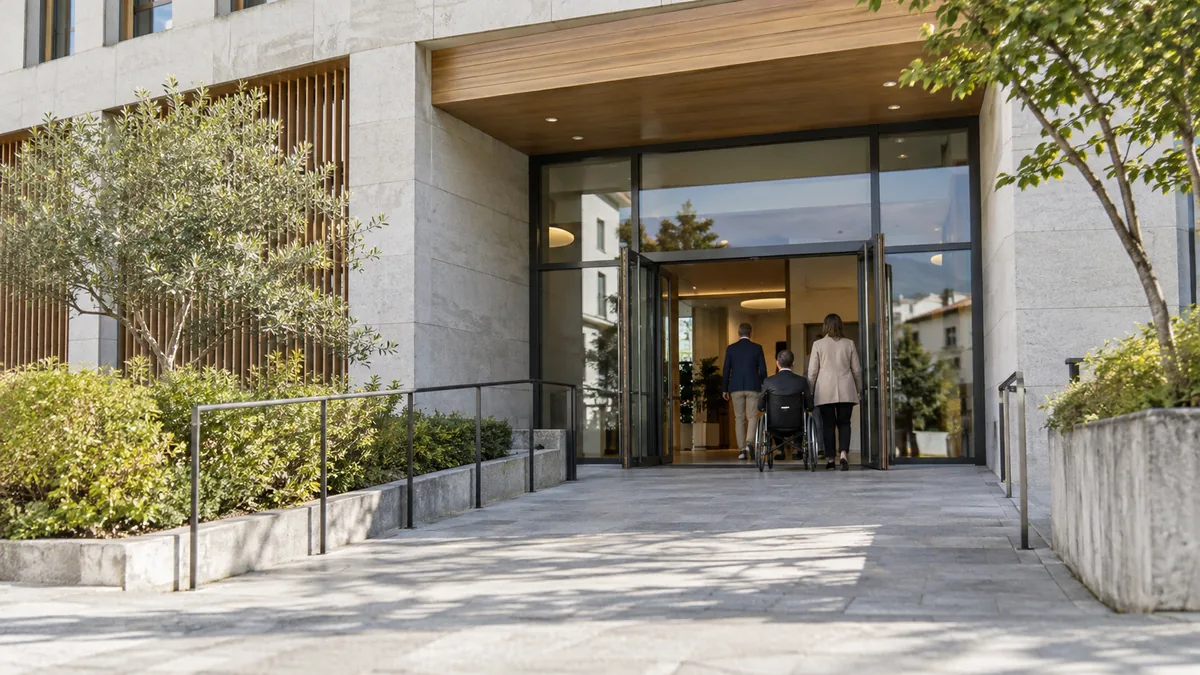
The Federal Council launches the consultation on October 14, 2026 Consultation deadline: January 28 Proposed: federal vote and signing of initiatives
Context
TL;DR
- The Federal Council launches the consultation on October 14, 2026
- Consultation deadline: January 28
- The proposal includes federal voting and signing initiatives and referendums
- Geneva recognized the right in 2020
Key facts
- Initiator → Federal Council and some cantons
- Subject → Constitutional amendment and amendment to the Political Rights Act
- Recipients → Adult Swiss citizens
- Rights indicated → National Council elections and federal votes
- Other rights → Signing popular initiatives and referendums
- Cantonal precedents → Geneva 2020; Appenzell Innerrhoden 2024
On October 14, 2026, the Federal Council launched the consultation procedure on the participation of people with intellectual disabilities in Switzerland’s political life. Like some cantons, it opened a process that will remain open until January 28. The dossier concerns a constitutional amendment and an amendment to the Political Rights Act.
The current framework at federal level provides for the exclusion of people with intellectual disabilities from exercising political rights, as a government note recalls. The proposal, by contrast, aims to enable adult Swiss citizens in the future to contribute to shaping the country’s policies, defining a federal-level framework different from today’s.
According to the objective outlined by the Federal Council, in the future all adult Swiss citizens should be able to participate in political life. The source concretely lists the forms of participation indicated: National Council elections, federal votes, the signing of popular initiatives and the signing of referendums. The list therefore includes both voting and signing the instruments specified.
From the federal level to the cantons
The federal process runs alongside initiatives already mentioned in some cantons. In Geneva, in 2020, people with intellectual disabilities were granted the right to vote and stand for election at cantonal level; the text also cites Appenzell Innerrhoden in 2024. In other cantons, the source adds, similar efforts are under way. Institutionally, the Federal Council’s consultation is therefore presented alongside the cantonal processes already mentioned or still under way.
The report, broadcast in the 12.30 Radiogiornale on October 14, 2026, presents the prospect as a future one. The announced deadline for the consultation is January 28.
Operational details
The practical point to keep separate is the level at which the right is exercised. The source distinguishes the current federal situation, the consultation launched by the Federal Council, and the developments mentioned in some cantons. To read the news correctly, the cantonal recognition mentioned for Geneva should not be confused with the proposal concerning the Confederation.
| Level or territory | Source data | Scope |
|---|---|---|
| Confederation | Currently excluded from federal political rights; consultation until January 28 | Perspective for adult Swiss citizens |
| Geneva | Right to vote and to stand for election at cantonal level in 2020 | Cantonal level |
| Appenzell Innerrhoden | Reference to 2024 | Cantonal level |
| Other cantons | Similar efforts under way | Cantonal processes mentioned |
What the federal perspective includes
The proposal described is not limited to a single election. The reference to elections to the National Council concerns participation in that federal vote; the reference to federal votes broadens the scope to the consultations indicated by the source. Signing popular initiatives and referendums adds the participation tools listed alongside voting.
The specified target group is precise: all adult Swiss citizens. For a practical reading, it is useful to associate the subject, level, and right: adult Swiss citizens, the Confederation, elections to the National Council, federal votes, popular initiatives or referendums.
The chronological comparison is equally useful. Geneva is placed in 2020, Appenzell Innerrhoden in 2024, while for the federal level the reference is October 14, 2026, with consultation until January 28. The other cantons are described as engaged in similar efforts. The overall picture therefore varies by territory and phase: some references concern the cantons, while others concern a federal consultation open until January 28.
Key points
To follow the dossier without confusing the announcement, deadline and content, it is advisable to use a five-step checklist. The sequence remains faithful to the information provided and separates the federal level from the cantonal examples.
The five references to note
1. Start date. Note October 14, 2026, the date of the report and the launch of the procedure by the Federal Council. 2. Deadline. Keep the January 28 deadline separate: it is the time limit indicated for the consultation. 3. Subject. Look for the two elements reported: a constitutional amendment and an amendment to the law on political rights. 4. Addressees and rights. Verify that the scope covers all adult Swiss citizens and includes the National Council, federal votes, popular initiatives and referendums. 5. Territorial comparison. Keep Geneva in 2020, Appenzell Innerrhoden in 2024 and the other cantons where similar efforts are under way separate.
This sequence helps prevent the consultation from being read as a federal right that has already been extended. The source in fact describes the current situation of exclusion at the federal level and presents extending participation as a future objective. The immediately usable time reference is therefore January 28, linked to the announced procedure.
Checking the institutional level also serves a practical purpose. If an update refers to the right to vote and stand for election in the context of Geneva, the reference is cantonal; if it mentions elections to the National Council, federal votes or signatures for initiatives and referendums, the scope is the one indicated for the federal proposal.
The distinction is also useful for terminology: the source refers to adult Swiss citizens, federal political rights and signing popular initiatives and referendums alongside voting. The practical point remains to follow the consultation through January 28, keeping cantonal references separate from federal ones.
Source: rsi.ch
Frequently Asked Questions
- What did the Federal Council initiate?
- On October 14, 2026, the Federal Council launched a consultation procedure, as did some cantons, on a constitutional amendment and an amendment to the law on political rights. The consultation concerns the participation of people with intellectual disabilities in Switzerland's political life and, according to the source, will remain open until January 28.
- Which political rights does the federal proposal indicate?
- In the future envisaged by the Federal Council, all adult Swiss citizens should be able to participate in elections to the National Council and in federal votes. The source also includes the possibility of signing popular initiatives and referendums. These are the forms of participation listed in the text on the amendment to the Constitution and the law on political rights.
- What is the current situation at the federal level?
- A government note recalls that today people with intellectual disabilities are excluded from political rights in federal matters. The consultation described by the source concerns precisely this level and indicates that, in the future, adult Swiss citizens would participate in shaping the country's policies.
- Which cantons are mentioned in the source?
- The source recalls that Geneva granted people with intellectual disabilities the right to vote and stand for election at cantonal level in 2020. It then cites Appenzell Innerrhoden in 2024 and notes that similar efforts are under way in other cantons. These references concern the cantonal level, which is distinct from the federal consultation.
Related articles
- All articles: Agreements and politics
- Consultazione sulla politica agricola 2030+
- PA30+: Consiglio federale avvia consultazione agricola 2030
- Videosorveglianza nei trasporti: consultazione pubblica aperta
- Svizzera avvia consulta sul terzo protocollo CEAG
- PA30+: consultazione sulla nuova agricoltura svizzera