Naturalization in Graubünden: requirements and procedure
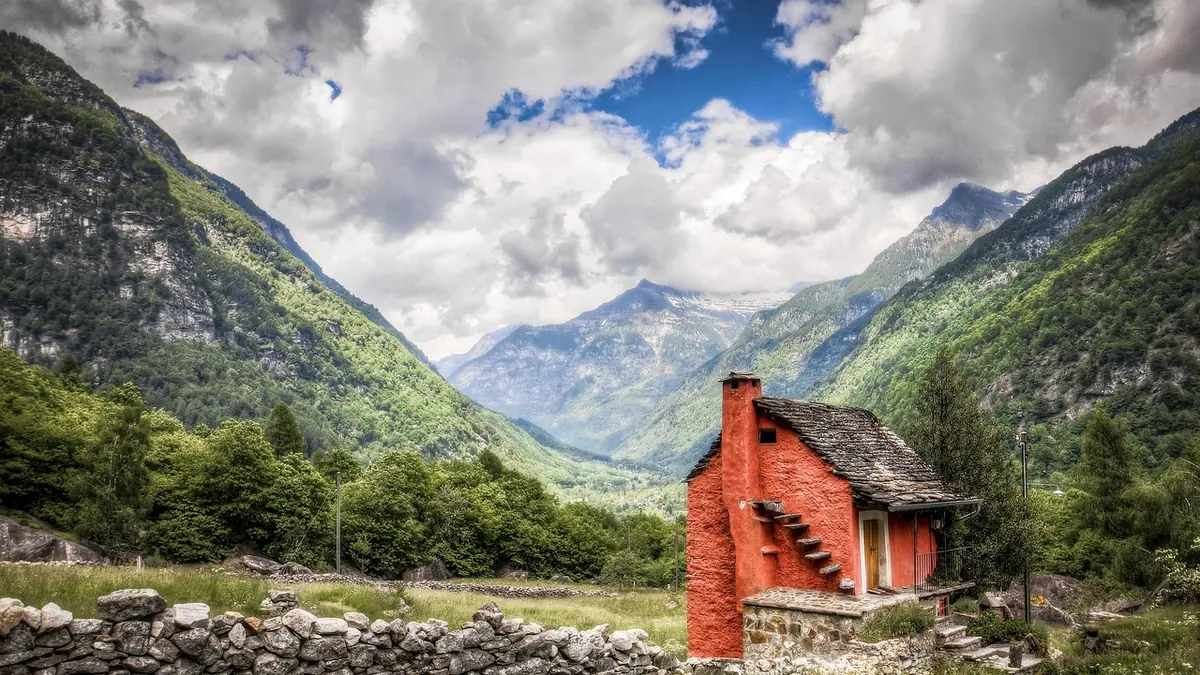
How to become a Swiss citizen in the canton of Graubünden. Federal route, cantonal requirements, language and integration tests, taxes and duration of the procedure.
Context
In brief
- Ordinary naturalization requires 10 years of residence with a C permit in Switzerland
- The canton of Graubünden applies specific language and integration tests
- Naturalization taxes are due, calculated by the municipality of residence
- The procedure duration varies according to the Graubünden municipality
Key facts
- What: Federal ordinary naturalization + Graubünden cantonal requirements
- When: After 10 years of residence with a C permit (5 years for EU/EFTA citizens)
- Where: Canton of Graubünden
- Who: Applicant + Graubünden cantonal and municipal authorities
- Permit: C permit (domicile) mandatory throughout the procedure
Ordinary naturalization in Switzerland follows a strictly defined federal path, but each canton — including Graubünden — adds its own requirements that vary from municipality to municipality. Those wishing to become Swiss citizens in the canton of Graubünden must first meet the federal criteria: at least 10 years of uninterrupted residence with a C permit (domicile permit). This term can be reduced to five years for citizens of the European Union and the European Free Trade Association. In addition to the standard count, Swiss law also allows double counting of the residence period between the ages of 8 and 18: one year of residence in that interval counts as two years for naturalization purposes, potentially reducing the overall term.
The federal framework of naturalization
In addition to the ten years of residence (or EU/EFTA regional variants), federal law requires uninterrupted possession of a C permit. This means that the applicant must not have suspended their right of residence, must not have committed serious criminal offenses, and must demonstrate a positive attitude towards Switzerland and its institutions. During the naturalization process, the candidate remains subject to federal and cantonal tax regulations: it is important to stay up-to-date on one's tax situation and regularly file the tax return according to the deadlines and forms prescribed by the competent authorities.
The federal procedure represents the first level of evaluation: it is a national screening that verifies basic eligibility. The C permit is not automatic after ten years; it is a residence title renewable every ten years, which can be revoked if the applicant commits crimes or is considered a threat to public order. Naturalization transforms the C permit into permanent citizenship: no expiration, no renewal, federal, cantonal, and municipal political rights.
In Graubünden, as in all Swiss cantons, the federal path is combined with specific cantonal and municipal requirements. The canton of Graubünden and its municipalities require language tests, integration tests, payment of naturalization taxes, and an evaluation of the candidate's civil conduct. These additional elements reflect the Swiss federalist principle: naturalization is primarily a cantonal-municipal decision, while operating within the basic federal framework.
Operational details
Specific requirements of the canton of Graubünden
The canton of Graubünden exercises decision-making authority over the naturalization of candidates, subject to compliance with federal criteria. This means that even after acquiring ten years of residence with a C permit, the candidate must still obtain the approval of the Graubünden authorities. The municipalities of Graubünden — particularly Chur, Davos, Poschiavo, and dozens of other centers — are responsible for the processing of the application, the collection of documents, the verification of conduct, and the final decision. Each municipality may have slightly different procedures, although all operate within the cantonal framework. It is therefore crucial to contact the naturalization office of your municipality as soon as possible, from the first year of residence with a C permit, to learn about the exact requirements and waiting times. The canton of Graubünden and its municipalities impose language tests in Italian, Romansh, or German (depending on the Graubünden region) and integration tests into Swiss society. These tests assess the candidate's level of knowledge of the local language and familiarity with institutions, constitutional values, history, and Swiss culture. Passing these tests is mandatory. Additionally, the canton requires the payment of naturalization taxes. The amount varies from municipality to municipality and is determined by the municipal law of Graubünden, not by a national federal tariff. Some municipalities apply a fixed fee, while others base the cost on a multiple of the candidate's income or assets. This cantonal differentiation reflects Swiss communal sovereignty in matters of naturalization: there is no uniform national price.
Municipal variability and access to rights post-naturalization
An often overlooked aspect is the verification of civil conduct. The canton of Graubünden and individual municipalities check criminal records, psychiatric medical records (if relevant), bankruptcy proceedings, and the candidate's behavior in the local community. Testimonies from neighbors, employers, or municipal representatives can influence the decision. Even minor violations (unpaid traffic fines, civil disputes, harassment complaints) can delay or block approval. This evaluation is subjective and depends on local authorities, which is why it is essential to maintain an impeccable reputation throughout the period of residence in Switzerland. Acquiring Swiss citizenship grants the new citizen access to the mandatory pension systems AVS and LPP, which are fundamental for social protection in case of old age, disability, or death. Automatic registration in the pension system is done through the employer (for the professional LPP regime) and the federal administration (for the basic AVS pension). These systems represent a central pillar of Swiss social security and will significantly influence future salary deductions and contributions made.
Useful planning tools
To estimate your pension strategy, use the pension planner and the pillar 3 simulator.
Key points
How to proceed: the naturalization process in Graubünden
Ordinary naturalization in Graubünden follows a process with specific steps. The candidate must first verify that they possess a C permit and have completed ten years of uninterrupted residence (or five years if they are a citizen of the EU/EFTA). Once these federal criteria are met, the next step is to contact the naturalization office of the municipality where they reside. There is no centralized cantonal office for naturalization: each municipality in Graubünden manages the applications of its residents independently.
The first step is to obtain the official naturalization application form. The form must be completed and signed by the candidate. Simultaneously, the applicant must gather supporting documents: residence certificate, original C permit, federal criminal record extract, certificate of good conduct from the municipality of residence, identity documents (passport or ID card of the country of origin), and income or real estate ownership certificates (the latter may be required if the municipality bases taxes on assets). Some municipalities also require a declaration of loyalty to Swiss constitutional values, although this is not mandatory at the federal level.
Once the application is submitted and the preliminary fee is paid (if required by the municipality), the investigation begins. The municipality verifies the data, contacts the federal authorities to confirm the C permit, obtains the criminal record, and summons the candidate for the language test. The language test in Graubünden varies by region: in the Italian-speaking areas (Poschiavo, Bregaglia) the test is in Italian, in the Romansh-speaking areas (Upper Engadine, Surselva) it is in Romansh, and in the German-speaking areas it is in German. The candidate must reach a B1 level according to the Common European Framework of Reference for Languages (CEFR). The integration test covers questions on Swiss history, rights and duties of citizenship, state secularism, and principles of direct democracy.
Timelines and conclusion of the procedure
The overall duration of the procedure varies: from six months to two years, depending on the workload of the municipal office and the speed at which the candidate provides documents. Once the tests are passed and the checks are completed, the municipality presents the application to the canton for final cantonal approval. Finally, the Parliament of the Canton of Graubünden votes on the naturalization decree (a traditional procedure in many cantons). Once this step is completed, the candidate receives the naturalization certificate and acquires Swiss citizenship.
To calculate and understand the tax implications of naturalization — including new inheritance rights, changes in local and federal taxation, and modifications to VAT calculation — consult the Swiss tax calculator. This tool will help you plan your tax situation after acquiring Swiss citizenship.
Frequently Asked Questions
- How many years of residence are required for ordinary naturalization in Graubünden?
- Swiss federal law requires 10 years of uninterrupted residence with permit C. Citizens of the European Union and EFTA can apply after 5 years. In addition, residency between the ages of 8 and 18 counts double, potentially reducing the total term. The canton of Graubünden does not modify this federal requirement, but adds its own language and integration tests.
- What tests do I have to pass in Graubünden to naturalize?
- The canton of Graubünden requires a language test (Italian, Romance or German depending on the region) and an integration test. The language test assesses the ability to communicate at level B1 (Common European Framework of Reference). The integration test tests knowledge of Swiss history, citizens' rights and duties, direct democracy and Swiss constitutional principles. Both are required.
- How much does naturalization in Graubünden cost?
- The cost varies from municipality to municipality in the canton of Graubünden. Some municipalities apply a flat tax, others base the amount on a multiple of the applicant's income or assets. There is no uniform federal rate. Contact the naturalization office of your municipality of residence to find out the exact amount.
- How long does the naturalization process in Graubünden take?
- The overall duration varies from six months to two years, depending on the workload of the municipal office and the speed of response of the candidate in submitting the documents. After municipal approval, the canton carries out a further verification, and the cantonal Parliament votes on the naturalization decree (a traditional procedure in many cantons).
- I have allowed B (short stay): can I naturalize in Graubünden?
- No. Ordinary naturalization in Switzerland requires the C permit (residence permit). If you currently hold a B permit, you must first obtain a C permit and complete 10 years of residence with a C permit (or 5 years if you are an EU/EFTA citizen). Please contact the cantonal migration office of Graubünden for information on the conversion from permit B to permit C.