Lucerne: vote on fans, shops and OECD funds
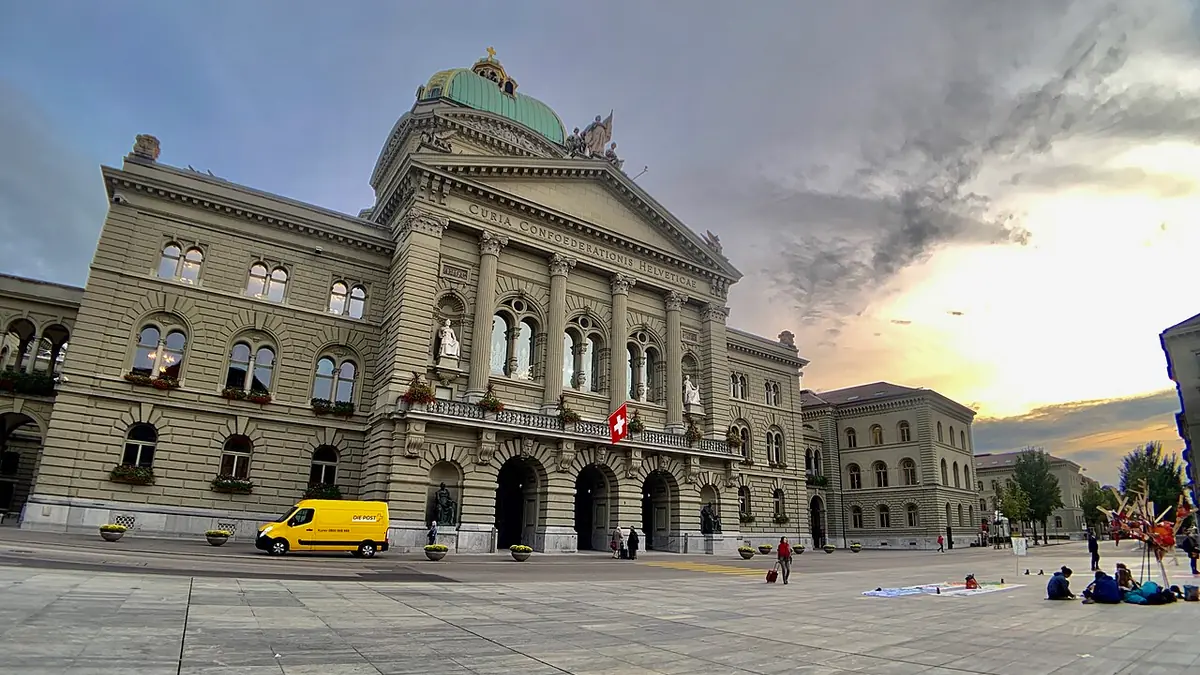
In Lucerne, both the initiative and the counterproposal on fan violence pass. 58.8% choose the counterproposal; the go-ahead is also given to shops, schools and economic promotion.
Context
In brief
- Lucerne approves the two texts on fan violence
- 58.8% chose the counter-proposal
- Turnout: 48.7%
- Yes also to shops, school and economic promotion
Key facts
- Location → Lucerne
- Initiative → 52.8%
- Counter-proposal → 74.8%
- Subsidiary question → 58.8%
- Turnout → 48.7%
- Opening hours of unstaffed shops → 55.2%
- Cantonal school of Reussbühl → 67.6%
- Economic promotion → 65.1% and 250 million annually
In Lucerne, voters today decided on two proposals created to reduce violence linked to FC Lucerne matches.
The double yes on fan violence
The first was the popular initiative of the Centre, entitled «Against fan violence», calling for stricter measures. The second was the counter-proposal drafted by the Grand Council.
According to Keystone-ATS, both texts were approved. The initiative obtained 52.8%, while the counter-proposal reached 74.8%. The result did not stop at the double yes: in the subsidiary question, which asked which of the two proposals to prioritise, Lucerne voters chose the counter-proposal with 58.8% of the votes. Turnout was 48.7%.
The difference between the two approaches was at the heart of the debate. The legislative text focuses more on prevention, dialogue, greater club responsibility and video surveillance. It instead forgoes identity checks, which would require national coordination.
The Centre had criticised this approach. In its view, it would have enshrined the current practice in law without introducing real change. The government and the other parties replied that the initiative only addressed some aspects, was not coordinated with national efforts and therefore would not have been effective.
The vote also covered three decisions on different local matters. Voters approved with 55.2% the extension of opening hours for unstaffed shops, with 67.6% the expansion of the cantonal school of Reussbühl, and with 65.1% the economic promotion financed by 250 million annually from the OECD minimum tax. The economic figure relates to the voted measure; for a personal calculation you can use the salary and tax calculator.
Operational details
An approach based on prevention and coordination
The practical significance of the vote on fan violence emerges from the comparison between the two paths submitted to the voters. The Centre's initiative called for tougher measures. The counter-project of the Grand Council, chosen in the subsidiary application, instead focuses action on prevention, dialogue, greater club responsibility and video surveillance. This is the concrete difference described by the source: not just a numerical result, but a different way of intervening.
| Element of the counter-project | Indication given in the source |
|---|---|
| Prevention | Greater weight than the initiative |
| Dialogue | Among the privileged tools |
| Clubs | Greater responsibility |
| Video surveillance | Included in the approach |
| Identity checks | Excluded; would require national coordination |
The reading must adhere to the voted text. The source does not list all the measures of the initiative and does not indicate times or methods of application of the counter-project. It therefore does not allow us to obtain an operational calendar for those who follow the matches or for the club. However, it allows us to identify the direction chosen in the subsidiary question: prevention and dialogue are at the center of the solution preferred by the Lucerne vote, together with the responsibility of the club and video surveillance.
The issue of coordination goes beyond just the local perimeter. The Government and other parties had argued that the initiative intervened on some aspects, was not coordinated with efforts at national level and therefore would not be effective. The counter-proposal dispenses with identity checks because, according to the source, they would have required national coordination. For the reader, this is the point to keep distinct: the decision is Lucerne, while the coordination evoked in the comparison has a national dimension.
The other results must also be read separately. 55.2% of unattended store opening hours concern that item; 67.6% concerns the Reussbühl cantonal school; 65.1% and 250 million per year concern economic promotion financed by the OECD minimum taxation. The source presents this last figure as financing for economic promotion, not as an individual amount. To separate your financial decision from your tax situation, you can consult your tax return.
Key points
How to follow the result without confusing the levels
For those who live or work in Switzerland and want to read the result correctly, the first step is to separate the subjects. The Lucerne consultation described by the source brings together the dossier on fan violence and three additional decisions; treating them as a single measure causes the meaning of the individual results to be lost.
1. Isolate the FC Lucerna dossier. The two proposals concerned incidents of violence linked to the club's matches. The Centre's initiative and the Grand Council's counterproposal should therefore be analyzed together, but not confused with the school or economic promotion. 2. Record the double yes. The 52,8% for the initiative and the 74,8% for the counterproposal indicate that both texts were approved. Do not use one of the two figures to describe the subsidiary question. 3. Use the preference figure. The 58,8% for the subsidiary question indicates that the people of Lucerne preferred the counterproposal. This is the number to cite when discussing the choice between the two texts. 4. Distinguish content and coordination. The legislature's solution focuses on prevention, dialogue, club responsibility and video surveillance; identity checks are excluded and the source links them to national coordination. 5. Separate the other three outcomes. The extension of the opening hours of unattended shops received 55,2%, the expansion of the Reussbühl cantonal school 67,6%, and economic promotion 65,1% and 250 million annually from OECD minimum taxation.
The 48,7% turnout should be reported as an independent figure: it measures how many people took part in the vote, not the strength of a single proposal. The 250 million annually should also be described as indicated by the source: funding for economic promotion from OECD minimum taxation.
This sequence serves to read the result without attributing additional effects to it. To compare the issue with daily expenses, one can use costo della vita in Svizzera; to conclude with one's own data, use calcolatore stipendio e imposte.
Source: swissinfo.ch
Frequently Asked Questions
- What results did initiative and counter-project achieve in Lucerne?
- Both texts were approved. The popular initiative of the Center "Against fan violence" obtained 52.8%, while the counterproject of the Grand Council reached 74.8%. In the subsidiary application, the people of Lucerne then chose to favour the counterproject with 58.8%. The overall participation in the vote was 48.7%.
- What tools is the counterproject aiming at?
- According to the source, the counter-project drawn up by the legislature focuses more on prevention, dialogue, greater club responsibility and video surveillance. Waiver of identity checks, which would require national coordination. The Centre had criticised this approach, arguing that it would enshrine current practice into law without introducing real change; the Government and other parties had replied that the initiative would not be effective.
- What other measures have been approved?
- The voters of Lucerne approved with 55.2% the extension of the hours of unattended shops. The expansion of the Reussbühl cantonal school achieved 67.6%. The economic promotion, financed with 250 million per year from the OECD minimum taxation, passed with 65.1%.
- Why is national coordination at the centre of the discussion?
- The counterproject waives identity checks because, according to the source, they would require national coordination. The Government and the other parties had argued that the Centre's initiative was not coordinated with efforts at the national level and therefore would not be effective. The theme of coordination is therefore a central part of the comparison between the two texts.