Insolvencies at 30-year highs
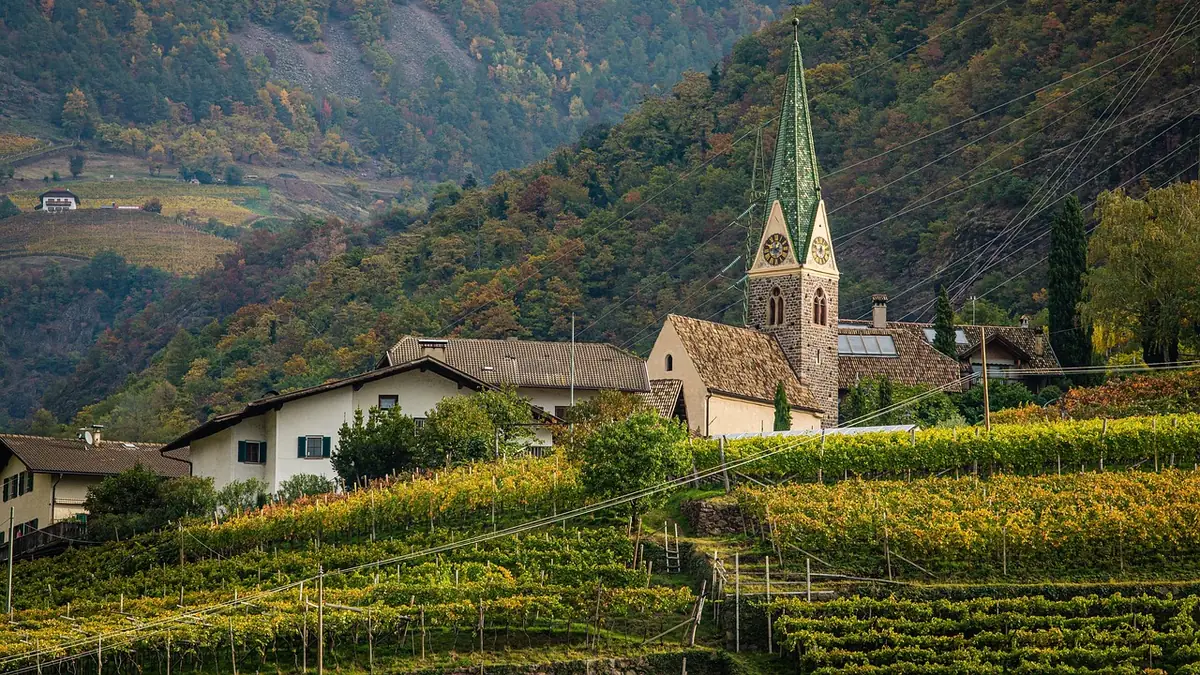
In the first half of the year, 7,496 companies declared bankruptcy due to insolvency, the highest number since 1994.
Context
In a nutshell
- In the first half of the year, 7496 companies declared bankruptcy due to insolvency.
- The number is the highest since 1994.
- Growth compared to the same period in 2025 is 54.7%.
Key facts
- What: Insolvencies in Switzerland.
- When: First semester 2025.
- Where: Switzerland.
- Who: 7496 companies.
- Amount: 54.7% growth compared to the same period in 2025.
The Swiss economic fabric is going through a difficult phase. In the first half of the year, 7496 companies declared bankruptcy due to insolvency. It is the highest number since 1994, according to the economic information company Dun & Bradstreet (d&b). Growth compared to the same period in 2025 is 54.7%. Translated into daily terms, it means that every day about 41 companies had to close their doors.
According to data provided by d&b, insolvencies were recorded in all Swiss cantons, but with a higher concentration in urban regions such as Zurich, Geneva and Basel. For example, in the canton of Zurich 1,238 insolvencies were declared, while in the canton of Geneva there were 915. This trend is particularly worrying considering that Switzerland is notoriously a stable and safe country.
The main causes of insolvencies were identified as difficulty in accessing credit, exasperated competition and lack of liquidity. In addition, the COVID-19 pandemic has further exacerbated the situation, with many businesses
Operational details
Insolvencies at 30-year highs
The recent increase in insolvencies in Switzerland is a very topical issue. According to data from d&b, a major provider of credit information, the number of insolvencies has reached a 30-year high. This trend can be interpreted in different ways, but it is essential to contextualize it to understand the real causes behind this increase.
The Debt Recovery Act
Since the beginning of 2025, public bodies have been obliged by law to proceed more strictly with the recovery of debts through enforcement procedures. This change has been introduced to ensure greater efficiency and transparency in debt collection. However, as Dirk Radetzki, a d&b executive, explains, “the increase is only partly economic in nature.” In other words, the new legal regime makes it more difficult to compare with past years, since many current cases would never have reached bankruptcy proceedings under the old rules.
Weak demand and high financing costs
At the economic level, high financing costs and weak demand in key sectors such as construction, trade and catering are still pushing towards closure. This is evident in the Zurich region, where the demand for funding decreased by 20% in the first half of 2025 compared to the same period of the previous year. Similarly, in Bern, the number of insolvencies is
Recommended tools
For an updated estimate, use the net salary calculator and the CHF-EUR exchange comparator.
Key points
The trend has an almost total geographical scope. In 25 of the 26 cantons there was an increase in bankruptcies. The only exception is Swivel. The highest numbers are observed in Zurich (1261), Geneva (788) and in the canton of Vaud (717). In the production sectors, craftsmanship leads the ranking with 1053 failures, followed by catering (770) and retail (626). Virtually all sectors have seen their difficulties increase, with the exception of the construction sector, which instead registers a decline.
One fact that may surprise you is the age of failed companies. Contrary to what one might think, it is not only young start-ups that are collapsing, but above all the longest-lived companies. Companies with more than ten years of activity represent 38% of cases (2,814 failures), followed by those aged between 5 and 10 years (2,027 cases, or 27%). "It is extremely unusual for Switzerland to be affected in so many cantons and sectors at the same time," says Radetzki. “This reinforces the idea that we are facing a systemic effect, rather than sector-specific crises. The legislative reform is highlighting a vulnerability that has remained hidden for years, hitting hard those historic companies that had long been operating at the limit of their financial balance ", concludes the expert.
According to data from the Swiss Register of Companies, in 2022 they were
Check tax deadlines for cross-border workers: returns, Swiss declarations, rebates — all dates in one interactive calendar.
Source: swissinfo.ch
Frequently Asked Questions
- How many companies declared bankruptcy in the first half of 2025?
- In the first half of 2025, 7496 companies declared bankruptcy due to insolvency.
- What is the growth compared to the same period in 2025?
- Growth compared to the same period in 2025 is 54.7%.
- Which cantons have the most failures?
- The highest numbers are observed in Zurich (1261), Geneva (788) and in the canton of Vaud (717).
Related articles
- Dopo 70 anni chiude l’ultima fabbrica di cravatte della Svizzera
- I prezzi della benzina aumentano e raggiungono il livello più alto degli ultimi due anni
- Novartis: battuta d'arresto nel settore neuromuscolare
- Medacta: crescita dei ricavi nel primo semestre del 2025
- Bell: 'È stato il miglior primo semestre dalla storia aziendale'