Asylum and security: costs on border municipalities
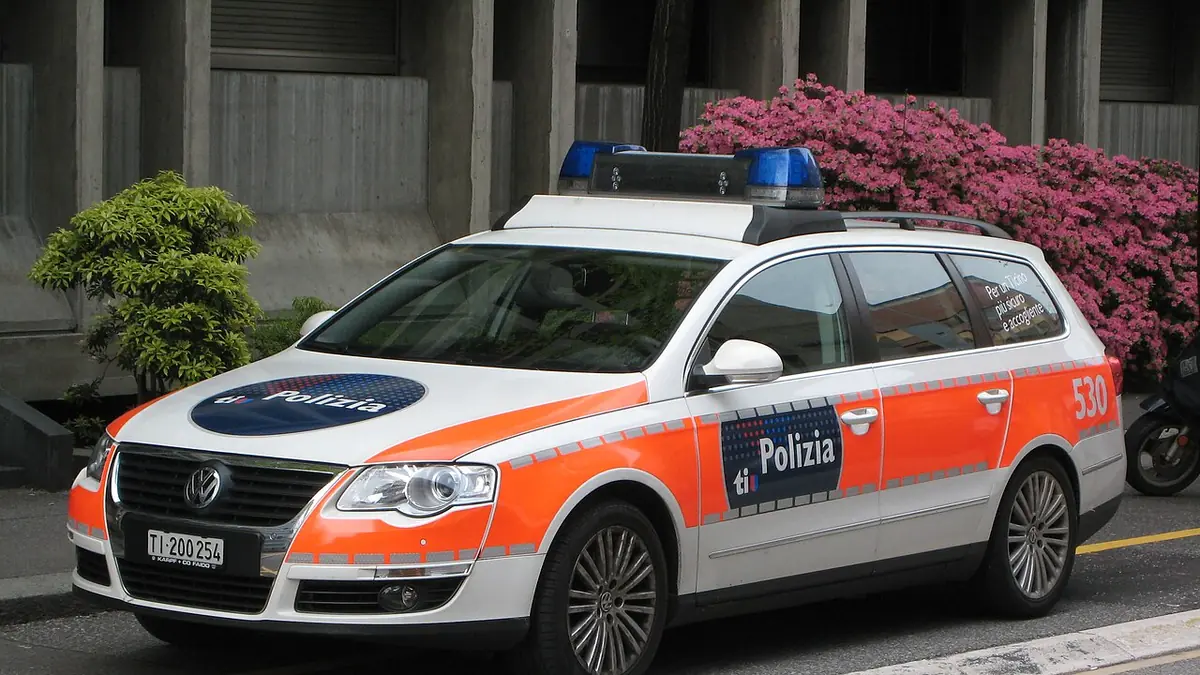
An interpellation in Balerna rekindles the debate on the division of competences and funding between the Confederation, Canton and Municipalities in the management of asylum.
Context
In a nutshell
- An interpellation in Balerna addresses the costs of asylum in border municipalities
- Federal policy generates concrete burdens on local municipalities and security services
- Requested data on police interventions since 2023 and reimbursement mechanisms
Key facts
- What: Interrogation on costs and security related to federal asylum facilities
- When: Submitted after the attack of 22 August in Via Passeggiata
- Where: Balerna, Mendrisiotto, Ticino
- Who: UDC, PLR, Movimento il Guardiano (first signatory: Domenico Corvino)
- Federal competence: State Secretariat for Migration (SEM) manages asylum
- Central question: Who pays for local security costs from federal facilities?
A news episode on 22 August reignites the debate on security in Mendrisiotto and on the administrative responsibility of border municipalities. That day, a woman was assaulted and robbed in Via Passeggiata in Balerna. According to the interpellation presented to the City Hall by the UDC, PLR and Movimento il Guardiano groups (first signatory Domenico Corvino), the alleged author is a young man of Algerian nationality whose residence is unknown.
The specific episode is, however, the starting point of a broader structural issue. The signatories argue that this is a repetition of problematic situations that feed growing insecurity among the population of the Municipality and Mendrisiotto in general. A directly related concern
Operational details
Split expertise, concentrated costs
Asylum management in Switzerland follows a clear division of competences between the three administrative levels. The Confederation, through the State Secretariat for Migration (SEM), defines the national migration and asylum policy, welcomes applicants to the Federal Centres, and conducts examination procedures. The Canton of Ticino manages cantonal administrative aspects. Municipalities find themselves at the forefront when it comes to dealing with the concrete consequences: public order, security, local police services.
The problem identified concerns the imbalance between this theoretical division of competences and the actual distribution of costs. When a federal asylum facility is located in the territory of a municipality, the local administration and citizens have no say in deciding how many people will be received, for how long, or what support and control measures will be implemented. However, when security incidents occur, municipalities must activate their police forces, support working hours, ensure safeguards in the territory.
For this reason, the questioning in Balerna raises concrete and principled questions: what are the current mechanisms for reimbursement or compensation for the additional costs incurred by the Municipalities? If they do not exist, should the Confederation recognize a direct financial participation? How does the operational collaboration between the SEM, the authorities
Recommended tools
For an updated estimate, use the net salary calculator and the CHF-EUR exchange comparator.
Key points
Next steps: from data to solution
The questioning in Balerna represents a first concrete step towards the collection of objective data on the situation. The Municipality is called upon to respond with precise figures: how many police interventions? What costs? What nationalities are involved? How many incidents have involved people already known to the authorities?
These data are crucial because they allow us to move from the general debate to the specific negotiation between the administrative levels. If Balerna can accurately document that the Federal Asylum Centers on its territory have generated a certain number of police interventions per year with an estimated cost, that number becomes the foundation of a credible claim for reimbursement or compensation. Without concrete data, the claim remains generic.
The next step, as indicated in the interpellation, is the coordination between the border municipalities of Mendrisiotto. Presenting a common position to the Canton and the Confederation increases the political weight of the request. A single municipality could be ignored; a coalition of border municipalities has greater capacity for pressure and negotiation with Bern.
Procedures and parties involved
When a municipality encounters crime episodes attributable to people accommodated in federal facilities, current procedures provide that:
1. The local police shall record the intervention and communicate it to the competent cantonal authorities 2. The
Evaluating a Ticino job offer? Simulate your net payslip: enter gross salary, marital status and municipality for a detailed breakdown.
Source: tio.ch
Frequently Asked Questions
- Who decides on asylum policy in Switzerland?
- Asylum policy and the management of Federal Asylum Centres are the responsibility of the Confederation and the State Secretariat for Migration (SEM). The municipalities do not decide who is accepted, nor the duration of the procedures. However, when incidents of violence, theft, or disturbances of public order occur in the territory, it is the local authorities who face the consequences and bear the operational and security costs.
- Are there currently reimbursement mechanisms for municipalities?
- The interpellation to Balerna poses exactly this question. There is currently no automatic reimbursement or compensation system for the additional costs incurred by Municipalities due to incidents related to asylum seekers. The signatories ask the Municipality to clarify whether such mechanisms exist and, if they do not, claim a direct federal participation by the SEM.
- What was the incident that motivated the interpellation?
- On August 22 in Balerna, in Via Passeggiata, a woman was assaulted and robbed. According to the interpellation, the alleged perpetrator is a young man of Algerian nationality whose residence is unknown. The episode reignited the debate on security in Mendrisiotto and the relationship between federal asylum policy and the responsibilities of border municipalities.
- What data do the petitioners ask for?
- The request requires precise data on all interventions by the municipal or regional police from 2023 to date attributable to asylum seekers or guests of the Federal Centres. They ask about the type of interventions, the nationalities involved (in compliance with data protection), the hours of work employed and the related costs. Particular attention is paid to people already known to the authorities and to cases with repeated interventions.
- What is the ultimate goal of the interpellation?
- The declared objective is to coordinate the border municipalities of Mendrisiotto to present a common position to the Canton and the Confederation, calling for greater presence in the territory, more security and a correct distribution of costs between the administrative levels. The promoters stress that being a border region means taking on particular responsibilities in national migration, but it cannot mean passively bearing all the consequences of federal decisions.
Related articles
- All articles: Family and school
- Tassa sugli utili immobiliari: una quota del 40% ai Comuni ticinesi
- Stop ai ristorni, durissima l'associazione Comuni di frontiera
- Sistema scolastico Canton Obvaldo: iscrizione e cicli
- Richiedenti l'asilo dal Maghreb, l'80% è coinvolto in reati
- 14 milioni ai territori di confine: fondi per frontalieri nel Varesotto