Federal Council: CHF 71.5M for forest and agriculture
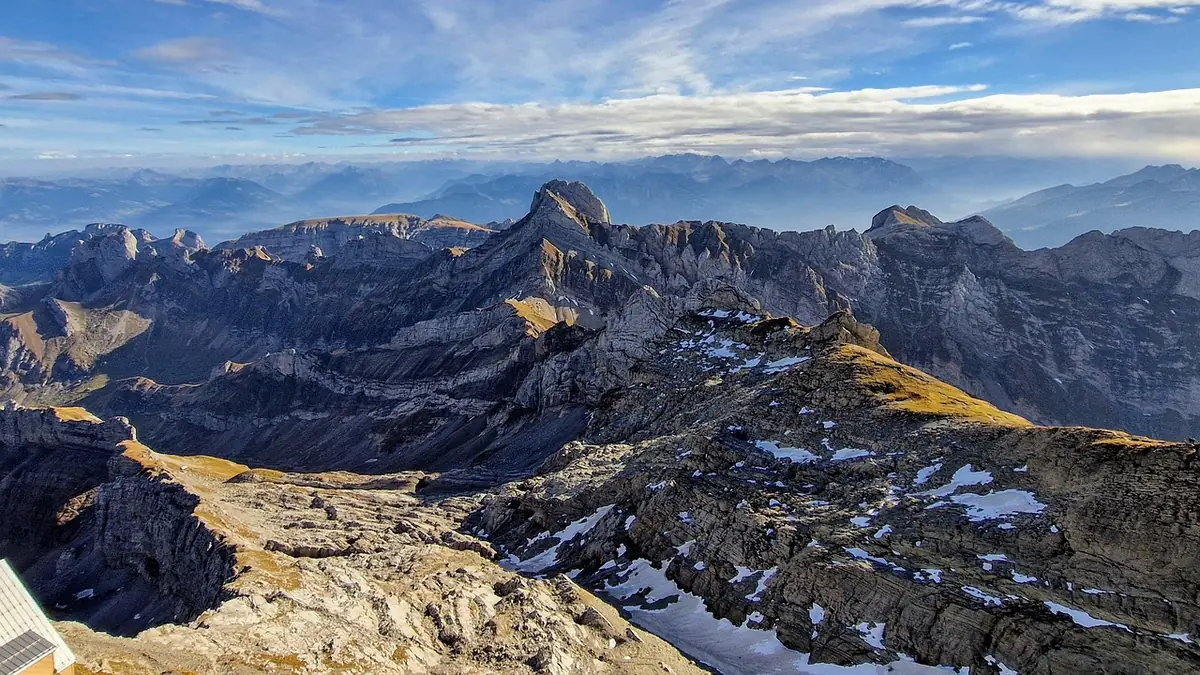
The Federal Council approves CHF 17.5M for forests and CHF 54M for farms affected by the record drought of summer 2026.
Context
In a nutshell
- Federal Council: CHF 17.5M for forests + CHF 54M for agriculture
- Record summer drought 2026: minimum rainfall since the beginning of measurements
- Interest-free loans to farms; forest financing from 2027
Key facts
- What: Additional federal appropriation for forest adaptation and agricultural aid
- When: 26 August 2026; implementation 2026-2027+
- Where: National Switzerland
- Who: Federal Council, DATEC, DEFR, DFI, DDPS
- Amount: CHF 17.5m (2027+ forests) + CHF 54M (2026 agriculture)
- Cause: Record 2026 summer drought and heatwaves
The Federal Council deliberated on 26 August 2026 on concrete measures to address the drought and heatwaves that hit Switzerland in the summer of 2026. The decision entails a total additional allocation of CHF 71.5 million: CHF 17.5 million for the adaptation of the forest to climate change and CHF 54 million to support farms in liquidity crisis.
The rainfall in the summer of 2026 reached historic lows. Since the beginning of the measurements, such a small amount of rain had never been recorded until mid-August. This prolonged drought, aggravated by heatwaves, has directly impacted agriculture, forests, river navigation and electricity production.
Financing and intervention mechanisms
For the forestry sector, the Federal Council is asking Parliament for an increase in credit
Operational details
Concrete impacts on the agricultural sector
Swiss agricultural companies affected by drought will be able to access interest-free credits through the mechanisms provided for in Article 78 of the Agricultural Act. The CHF 54 million allocated in 2026 does not represent a subsidy, but a credit system: companies must repay the funds, but without paying interest. This mechanism is crucial for companies facing immediate cash flow difficulties due to declining productivity and increased artificial irrigation costs.
At the cantonal level, local agricultural administrations will play a determining role in identifying eligible companies and distributing credits. Each canton will have responsibility for management and allocation criteria, ensuring equity across Swiss regions. Municipalities, often involved in local aid granting procedures, will need to coordinate applications with their cantonal agricultural offices.
Forest adaptation and employment development
In the forestry sector, CHF 17.5 million annually starting from 2027 represents a strategic investment in adapting forests to climate change. Swiss forests face not only the acute drought of summer 2026, but also the structural challenge of a climate changing at accelerated rates. The funding enables reforestation programs with drought-resistant species, fire prevention interventions, and adaptive forest management.
Owners of public and private forests will be able to access these funds through the competent cantons, which will define the calls for proposals and selection criteria. The commitment of CHF 17.5 million annually from 2028 signals federal recognition of the gravity of the climate situation and the need for long-term, not temporary, measures. These investments will also generate new employment opportunities in the sector: check our job search portal to discover open positions in the forestry and agricultural sectors.
Health protection and national economic situation
The DFI will verify how to introduce uniform heat maps and worst-case scenario analyses at the national level. This means that cantons will receive standardized tools to protect the population during heat waves, avoiding fragmentation in health policies. Population health during heat waves is a federally recognized priority, with implications for hospitals, nursing homes, public facilities, and social services.
Drought and the costs associated with managing the climate emergency have direct implications for the overall economic situation. Check our cost of living analysis to understand how climate crises impact inflation, energy prices, and production costs in Switzerland.
The current drought platform will be further developed by DATEC in collaboration with DFI and DDPS. This platform represents federal-cantonal coordination on drought information and forecasts, useful for citizens, farmers, and businesses. Its development by fall 2026 will enable a more coordinated and transparent response.
Useful tools to protect your net income
To reduce FX leakage, compare CHF-EUR exchange options and banks for cross-border workers.
Key points
Access to agricultural credits
Agricultural enterprises interested in requesting interest-free credits must contact directly the agricultural office of their canton. The procedure includes:
1. Documentation of liquidity crisis: the enterprise must demonstrate that the drought has caused a decrease in productivity or a significant increase in operating costs. 2. Submission of application: through specific cantonal forms, by the deadlines indicated by each administration. 3. Cantonal evaluation: the canton examines eligibility according to pre-established criteria. 4. Credit disbursement: if approved, the credit is disbursed interest-free and with agreed repayment terms.
The CHF 54 million allocated for 2026 represents a comprehensive national fund; each canton receives a quota and manages local allocation. It is essential to contact the cantonal agricultural office early, as funds may be exhausted if requests exceed total availability.
Planning for forest owners
Forest owners (public and private) will need to wait for cantonal calls for proposals to access CHF 17.5 million annually starting from 2027. In the meantime, it is advisable to:
1. Contact the cantonal forestry office to learn the eligibility criteria for 2027. 2. Document adaptation measures already carried out or planned (reforestation, fire prevention, adaptive management). 3. Monitor cantonal public notices for funding calls that will be released soon.
Health protection: heat maps by autumn 2026
By the end of October, the DFI will present the first standardized national heat maps. Citizens and municipal administrations will need to:
1. Consult the heat risk maps when they are published (by autumn 2026). 2. Plan protection measures for elderly residents, people with chronic illnesses, and children. 3. Coordinate with local social services for assistance programs during heat waves.
Next federal steps
Autumn 2026 will be crucial. The Federal Council will decide on further measures by this season, based on evaluations by DATEC, DEFR, DFI and DDPS. Anyone managing an agricultural enterprise or forest property should follow the official updates from the competent departments and cantonal offices.
Federal regulatory changes and economic support measures have repercussions on business and family budgets. Use our salary calculator to verify how new policies and national economic changes affect your personal financial situation and your income.
Source: admin.ch
Frequently Asked Questions
- How can farmers access interest-free credit for drought?
- Farms should contact the agricultural office of their canton. The procedure requires documentation of the liquidity crisis caused by the drought, then submit an application through cantonal forms within the deadlines indicated. The canton examines the eligibility and, if approved, disburses the credit without interest. The CHF 54 million allocated in 2026 represents the total national fund, divided between cantons.
- How long will the forestry funds of CHF 17.5 million remain available?
- The forestry credit of CHF 17.5 million will be available from 2027. From 2028, the DETEC must be authorized to request the same amount annually until the adaptation of the forest to climate change is completed. There is no predefined end date - the commitment is long-term.
- When will the Federal Council decide on further measures?
- Autumn 2026 is the deadline by which DATEC, DEFR, DFI and DDPS will verify whether further measures are needed. The Federal Council will have a comprehensive overview of the situation within this season and will decide on possible additional interventions. National heat cards will be ready by the end of October 2026.
- Who is entitled to apply for drought relief?
- Swiss farms affected by liquidity crises caused by drought can apply for interest-free loans. Forest owners (public and private) will be able to access forest funds once cantonal notices are published from 2027. All citizens will benefit from national heat cards to protect health during heatwaves.
- What if the available credits are not enough for all requests?
- The CHF 54 million available in 2026 for agriculture is divided between cantons and municipalities. If the requests exceed the total availability, the funds will be exhausted and it will not be possible to obtain further credits from this appropriation. For this reason, it is important to contact the cantonal agricultural offices quickly to submit the application.
Related articles
- All articles: Agreements and politics
- Governo: 71,5 milioni per siccità e agricoltura
- Canicola, 70 mio per bosco e agricoltura
- Siccità 2025: 54 milioni in prestiti alle aziende agricole
- Di più "Slow Water", l'agricoltura svizzera si prepara alla crisi climatica
- Siccità, Migros stanzia due milioni di franchi per gli agricoltori in difficoltà