Federal Tax 2027: DFF Offsets Cold Progression (cross-border guide)
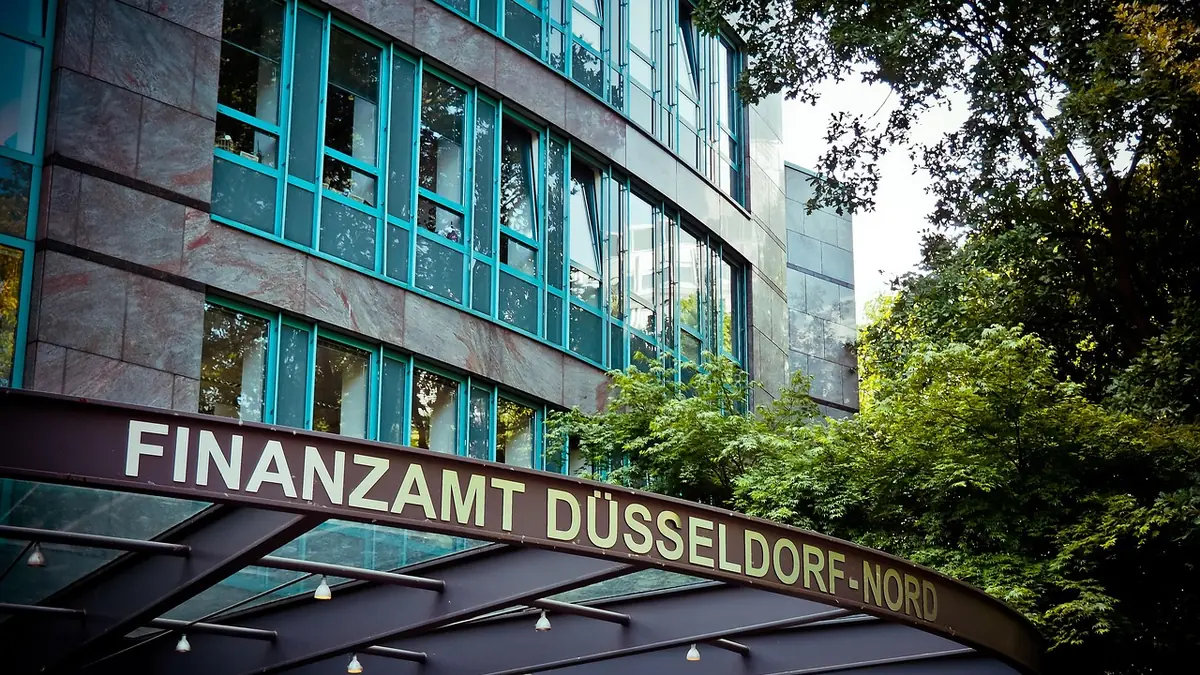
The DFF adjusts rates and deductions for fiscal year 2027 against a cumulative increase of 0.47% recorded as of June 30, 2026.
Context
In brief
- The FDF compensates for cold progression for the 2027 direct federal tax.
- Cumulative price increase recorded at 0.47 percent as of June 30, 2026.
- Deductions for children and education increase; tariffs adjusted for inflation.
Key Facts
Publication date: September 22, 2026 Index reference date: June 30, 2026 Cumulative price increase: 0.47 percent Application tax year: 2027 Relevance in tax return: 2028 Spouse entry threshold: 29,900 francs Third-party childcare deduction: 25,900 francs Professional training deduction: 13,100 francs
On September 22, 2026, the Federal Department of Finance (FDF) officialized the adjustments to the tariffs and deductions relating to the direct federal tax. The intervention is established to neutralize the effects of cold progression for the 2027 tax year, ensuring that inflation does not transform into a hidden increase in the tax burden for taxpayers.
The impact of price increases on tax tables
The adjustment calculation is based on the variations recorded by the national consumer price index (CPI). According to official data, the cumulative inflation since the last cold progression compensation was 0.47 percent as of the reference date of June 30, 2026. As this is a measure established by law, the revision prevents nominal wage increases from pushing residents into higher tax brackets without an actual increase in purchasing power.
…
Operational details
Cold progression compensation redraws the tax brackets and adjusts specific deductible items upwards, with concrete consequences for family budgets. For married couples, the minimum taxable income threshold above which the obligation to pay direct federal tax begins rises to 29,900 francs, compared to the previous 29,700 francs. Those with very high incomes will see the maximum tax rate threshold shift from 941,400 to 946,000 francs.
The ordinary deduction regime also records timely updates to support families and the development of professional skills. The deduction for documented childcare expenses provided by third parties increases from 25,800 to 25,900 francs per child. In parallel, the maximum deductible amount for professional training and further education expenses rises from 13,000 to 13,100 francs, granting an additional 100 francs of tax allowance.
| Tax Item | Previous Regime | 2027 Regime |
|---|---|---|
| Exempt taxable income (spouses) | 29,700 CHF | 29,900 CHF |
| Maximum rate threshold | 941,400 CHF | 946,000 CHF |
| Third-party childcare deduction | 25,800 CHF | 25,900 CHF |
| Professional training expenses | 13,000 CHF | 13,100 CHF |
| Exemption for extended/online game winnings | 1,071,000 CHF | 1,076,100 CHF |
…
Key points
The correct application of the new tariffs requires careful monitoring of the administrative steps planned by the Confederation and the cantonal authorities. For the majority of resident taxpayers, this change will not entail immediate obligations during 2026, but will result in tax savings calculated directly on the taxable income of 2027.
Practical steps to verify your tax burden
1. Retention of supporting documents: to benefit from the raised ceiling of 25,900 francs for childcare or 13,100 francs for education, it is necessary to keep receipts, invoices from nurseries or educational institutions, and payment vouchers relating to the entire year 2027.
2. Pay slip check for those subject to withholding tax: starting from the first salary of January 2027, employees subject to withholding tax can check the tables applied by the employer to verify the revision of the federal coefficients updated by the FDF.
3. Preparation of the tax file for 2028: upon receiving the federal and cantonal tax forms at the beginning of 2028, it will be appropriate to verify that the calculation tables incorporated by the cantonal software include the new direct federal tax thresholds.
In a phase where the Cantons and the federal administration are adjusting their parameters to inflation trends, planning expenditures helps avoid tax surprises. To accurately assess the impact of the new rates on your net income and compare the different deduction items, you can use our salary and tax calculator.
Source: admin.ch
Frequently Asked Questions
- What does Cold Progression Compensation entail for 2027?
- The measure, based on a cumulative increase of 0.47% as of June 30, 2026, serves to neutralize the effect of inflation so that the nominal increase in wages does not shift taxpayers towards higher tax brackets without a real increase in purchasing power. The intervention modifies the tax brackets and increases some specific deductions for the 2027 tax year, with effects visible in the 2028 tax return.
- What are the new thresholds and deductions for families and education?
- For spouses, the minimum taxable income threshold for direct federal tax rises to CHF 29,900. The deduction for childcare expenses provided by third parties increases to CHF 25,900 per child. With regard to training and professional development, the maximum deductible amount has been raised to CHF 13,100, guaranteeing an increase of CHF 100 in tax exemption.
- How do these changes affect who is taxed at source?
- Workers subject to monthly withholding will see the barometers of the source tax ordinance recalibrated in parallel to ordinary taxation. Starting from the first salary in January 2027, it is possible to check the pay slips for the application of the new federal coefficients updated by the DFF. On the other hand, the deductions of the order on professional expenses remain unchanged due to the prescribed rounding.
Related articles
- All articles: Franc and prices
- Frontaliere assistente di cura in Ticino: stipendio medio, requisiti, riconoscimento del titolo di studio e permesso G
- Pagamenti offline con carte di credito dal 2027 in Svizzera
- Imposta di successione Zurigo: aliquote e deduzioni
- Imposta di successione e donazione: guida Svitto
- Imposta di successione e donazione Canton Lucerna: aliquote