Border Ticino: 100% tax from 2026 for old and new municipalities (cross-border guide)
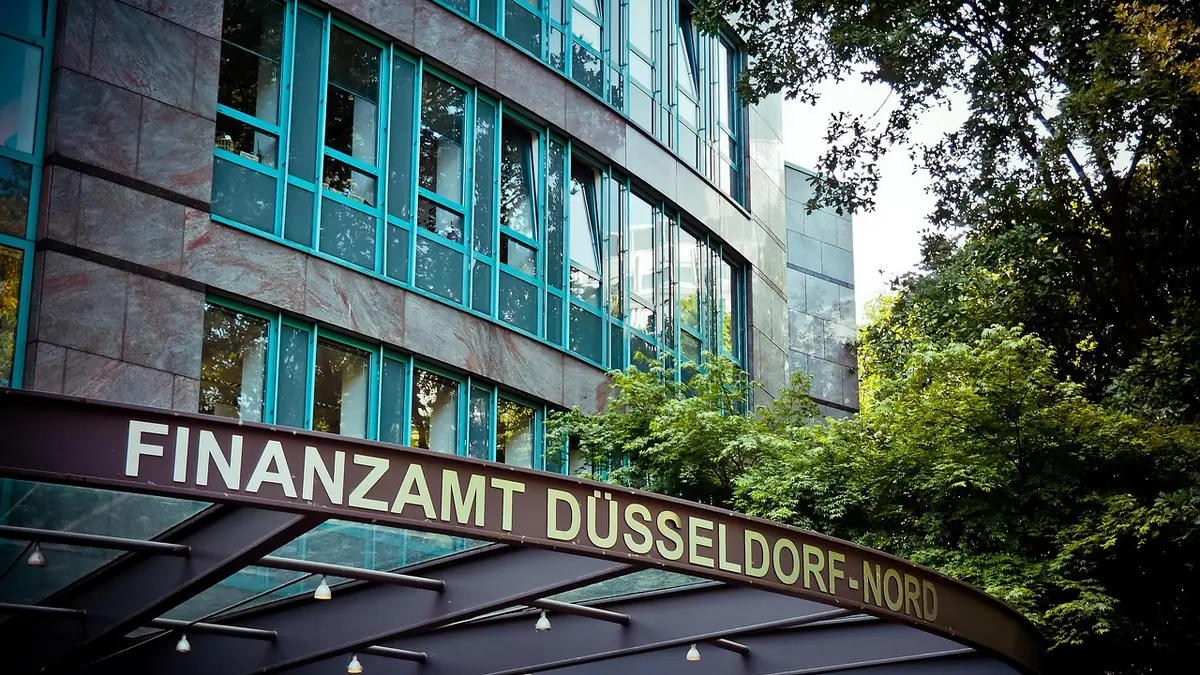
The OCST reports: from January 2026, border workers of the new border municipalities who choose the Omnibus Decree will pay 100% tax at source in Ticino, no more than 80%. Increased tax burden if you opt for the Italian substitute tax.
Context
In a nutshell
- From January 2026, 100% tax at source for old border crossers of new municipalities who choose the Omnibus
- Until 2025 they were taxed at 80% as new frontier workers
- Those who opt for the Omnibus risk double taxation: 100% in Switzerland + quota in Italy
- Time until the end of 2026 for a diplomatic solution between Italy and Switzerland
Key facts
- What: Change in tax rate at source from 80% to 100% for a specific category of frontier workers
- When: From 1 January 2026
- Where: Canton Ticino
- Who: Tax office at the source of Ticino, border workers residing in the new border municipalities
- Amount: Full rate (tables A, B, C, H) instead of 80% reduced
The Tax Office at the source of the Canton of Ticino has communicated, as reported by the Ocst union on its website, that from January 2026 the so-called "old border workers of the new Municipalities" who will opt for the mechanism of the Omnibus Decree will be taxed in Ticino at 100%, therefore according to the ordinary tables A, B, C and H, and no longer at 80% as is the case for new border workers.
Who are the workers involved
The provision concerns workers who carried out activities in Ticino between 31 December 2018 and 17 July 2023 with daily return, maintaining tax residence in a municipality included within 20 kilometres of the border, but which did not appear in the old list of border municipalities of the Canton of Ticino. The Tax Office at source has decided to
Operational details
The change and its practical consequences
According to the OCST, with the new arrangement, affected cross-border workers would face a crossroads with significant economic implications. If they choose to opt for the Omnibus Decree, they will have to pay 100% of the withholding tax in Switzerland (according to full tables) and, at the same time, an additional amount in Italy as a substitute tax. The overall tax burden would be higher than the current situation.
The alternative would be not to opt for the Omnibus and continue paying 80% in Switzerland, while being classified as 'new cross-border workers.' This second option would avoid the immediate increase but would categorize the worker as a 'new cross-border worker' by legal definition, which does not match their contribution history (being an 'old' cross-border worker by seniority).
Comparison of tax scenarios
| Scenario | Tax in Switzerland | Tax in Italy | Notes |
|---|---|---|---|
| Old classic cross-border worker | 100% (tables A,B,C,H) | Exempt | Historical regime |
| New cross-border worker (until 2025) | 80% reduced rates | 25% substitute tax on Swiss payments | Omnibus option |
| Old workers from new municipalities (from 2026 with Omnibus) | 100% (tables A,B,C,H) | 25% substitute tax | Increased burden |
| Old workers from new municipalities (from 2026 without Omnibus) | 80% reduced rates | None (ordinary regime?) | Classified as new cross-border worker |
The table highlights how the combination '100% in Switzerland + 25% in Italy' creates an imbalance compared to both the old classic cross-border workers (who pay only 100% in Switzerland) and their previous situation (80% + 25%).
…
Key points
Concrete steps for interested cross-border workers Those falling into the category described by Ocst — that is, having worked in Ticino between December 31, 2018, and July 17, 2023, with daily return, residing in a municipality within 20 km of the border not listed in the old list — should follow a verification and decision process in the coming months:
1. Verify your personal and employment status: retrieve contracts, payslips, and residence certificates demonstrating seniority of service in Ticino and residence in one of the 'new' border municipalities.
2. Contact your employer or HR department: the withholding tax is deducted at source by the Swiss employer. It is essential that the company is informed of the expected change of rate for January 2026 and correctly applies tables A, B, C, or H based on family situation.
3. Evaluate the Omnibus option for 2026: the choice to opt in or out of the Omnibus Decree in Italy must be made during the income tax declaration (model 730 or Redditi PF 2027 for the 2026 tax year). It is advisable to simulate both scenarios: with Omnibus (100% in CH + 25% substitute tax in IT) and without Omnibus (80% in CH, standard regime in IT).
4. Monitor diplomatic developments: Ocst indicates the end of 2026 as the deadline for a negotiated solution between Rome and Bern. Until then, the situation remains fluid, and political intervention could alter the circumstances again.
Deadlines to mark on your calendar
- January 2026: entry into force of the new 100% rate for those choosing Omnibus
- By the end of 2026: window for a diplomatic solution Italy-Switzerland
- Spring 2027: tax declaration 2026 (model 730/Redditi PF) where the Omnibus option can be formalized
…
Frequently Asked Questions
- Who exactly are the "old frontiersmen of the new Municipalities" affected by the new rule?
- These are workers who worked in Ticino between 31 December 2018 and 17 July 2023 with daily return, residing in a municipality within 20 km of the border that was not on the historical list of border municipalities of the Canton of Ticino.
- What is concretely changing from 1 January 2026 for these frontier workers?
- If they opt for the Omnibus Decree, the source tax in Ticino goes from 80% to 100% (tables A, B, C, H). Those who do not opt for the Omnibus continue to pay 80% in Switzerland as a "new frontier".
- Should we opt for the Omnibus Decree with the new rules?
- According to the OCST, opting for the Omnibus would pay 100% in Switzerland plus 25% substitute tax in Italy, an increase compared to the current situation (80% + 25%). Convenience should be assessed on a case-by-case basis by simulating both scenarios.
- By when should the situation be resolved?
- The OCST indicates that there is time until the end of 2026 for a diplomatic solution between the Italian State and Bern that would definitively remedy this situation defined as "ambiguous".
- Where can I check if my municipality of residence is part of the "new border municipalities"?
- The list of border municipalities of the Canton of Ticino is published by the cantonal administration. The "new" municipalities are those included in the perimeter of the 20 km from the border but not present in the historical list prior to 2018.