SAC Huts: New 10 CHF Booking Fee to Stop Cancellations (cross-border guide)
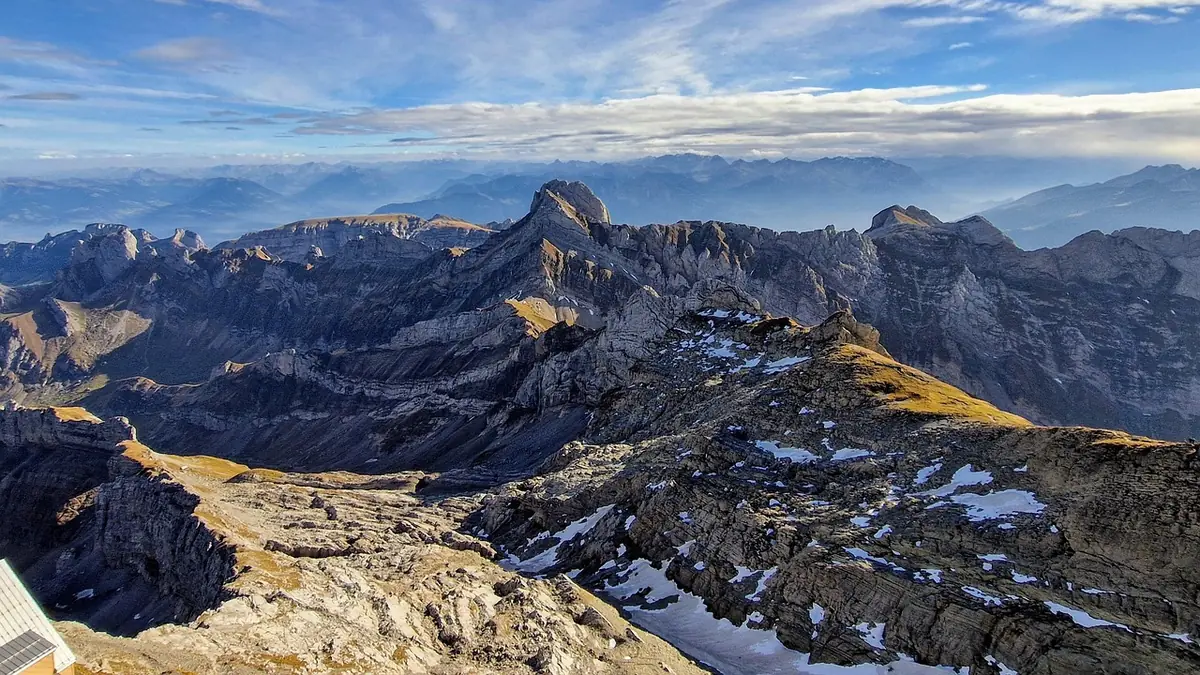
The Swiss Alpine Club is introducing a 10 CHF fee per night in staffed huts to combat the 40% rate of last-minute cancellations.
Context
In brief
- Fee of 10 francs per night and per guest in staffed huts
- Amount non-refundable in case of no-show or cancellation
- Measure introduced to counter 40% of cancelled bookings
- Increase in membership fees and a solidarity contribution approved
Key facts
- What: New uniform booking fee
- When: Decision approved Saturday in Bern
- Where: Staffed huts of the Swiss Alpine Club (CAS)
- Who: CAS Delegates' Assembly
- Amount: 10 francs per guest per night
The Swiss Alpine Club has formalised a significant management shift for its network of high-altitude facilities. During the delegates' assembly held Saturday in Bern, the introduction of a uniform booking fee set at 10 francs per guest and per night was approved. This measure will apply exclusively to staffed huts scattered across the entire national territory. The decision stems from the need to put a brake on a phenomenon that is putting managers in serious difficulty: the failure of hikers to show up without notice or cancellations communicated at the last minute.
…
Operational details
The introduction of the booking fee is not the only development to emerge from the delegates' assembly in Bern. The assembly also approved a broader revision of the Swiss Alpine Club's funding model. In addition to the 10 francs per overnight stay, an increase in annual membership fees for club members was approved. Although the exact amount of the increase is still being defined or not yet specified in the final tariff details for each category, the direction is clear: strengthen the association's financial base to cope with rising operating costs.
Investment and solidarity
A cornerstone of the new strategy is the solidarity contribution for overnight stays. These additional funds will be specifically allocated to support operations and, above all, to modernize the huts. Many alpine facilities require urgent structural work to comply with environmental and safety regulations, as well as to improve energy efficiency in extreme climatic conditions. The SAC emphasizes that these investments are essential to keep the hut network accessible and safe for future generations of mountaineers.
…
Key points
For hikers and mountain enthusiasts, the new booking procedure will require extra attention. From the moment the measure takes effect, every booking made for a staffed hut will incur an immediate charge of 10 francs. It is essential to emphasize that this amount will not be refunded under any circumstances, not even if the cancellation occurs well in advance or if weather conditions prevent the ascent. This rigidity is intentional to discourage the practice of multiple or precautionary bookings.
Practical booking guide
To properly manage your high-altitude stays, it is recommended to follow these steps:
- Check in advance whether the chosen hut is classified as staffed or unstaffed.
- Verify actual availability before proceeding with payment of the fee.
- Consider purchasing external cancellation insurance if you are planning long or group stays.
- Use public transport to reach starting points, simplifying logistics in case of itinerary changes.
…
Frequently Asked Questions
- Is the 10 francs fee refundable if the weather is adverse?
- No, under the new regulations approved by the CAS delegate assembly in Bern, the booking fee will not be refunded in case of cancellation or no‑show, regardless of the reason. This rigidity aims to counter the phenomenon of last‑minute cancellations that affect about 40% of all bookings, giving operators a secure revenue base for planning inventory and staff.
- Does the fee also apply to campsites and unguarded huts?
- In unguarded huts, the introduction of the booking fee will remain optional. The final decision will rest with the individual owning sections of the facilities. For guarded huts, however, the 10‑franc fee per night and per guest is uniform and mandatory across all of Switzerland, as set by the delegates.
- What are the funds collected from the increased membership fees and the new tax used for?
- The funds from the increased membership fees and the solidarity contribution on overnight stays are earmarked for two main objectives: supporting the daily operational management of alpine facilities and financing the modernization of huts. Many refuges need interventions to keep up with the times and ensure high safety and energy‑efficiency standards.
- Who decided to introduce this new fee?
- The decision was taken and approved last Saturday by the Swiss Alpine Club (CAS) delegate assembly meeting in Bern. The delegates represent the club’s various sections nationwide and voted the measure to address a systemic problem of no‑shows that harms the economic sustainability of huts.