Traffic lights against parasitic traffic: the Graubünden strategy works
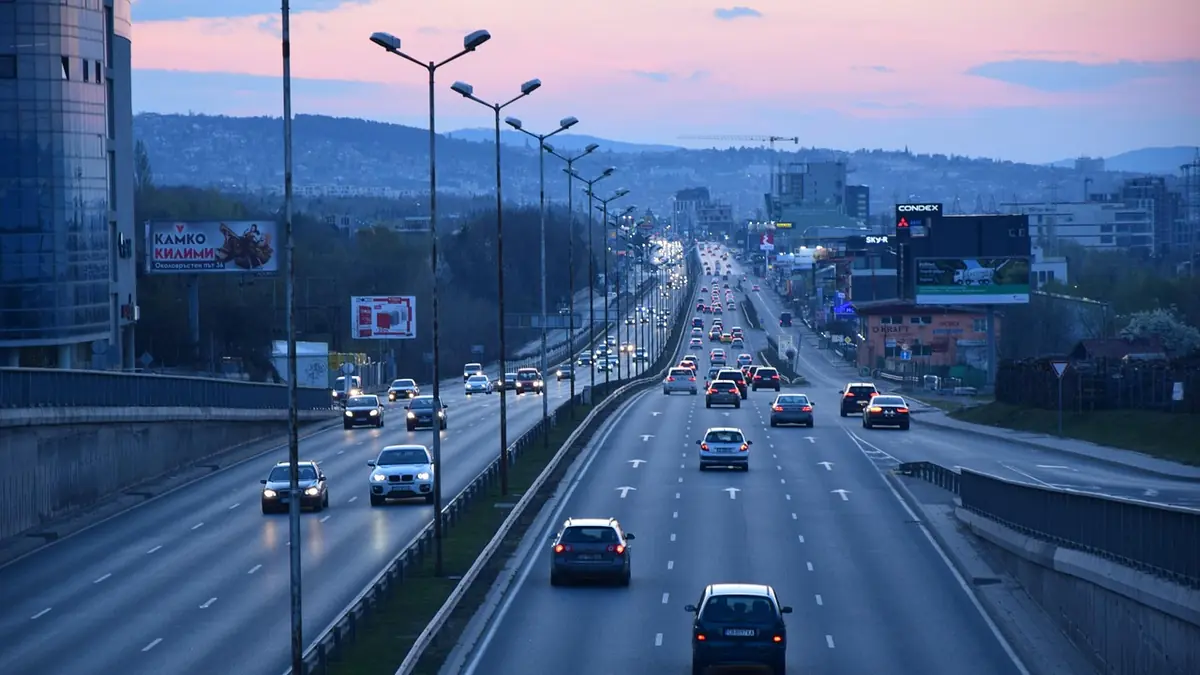
The Rhaetian Technical Office has installed five traffic lights to combat parasitic traffic, with good results
Context
The Graubünden strategy to combat parasitic traffic is based on the installation of traffic lights. The first traffic light was installed last year at Zizers. Since Easter of thisyear, the Technical Office of Grisons has put into operation another four, for a total of five semi-automatic systems distributed on a stretch of cantonal road of less than 30 kilometers, up to Rothenbrunnen.
According to official data, the five traffic lights installed have already recorded a 22% drop in parasitic traffic compared to the same period last year. Parasitic traffic, which refers to vehicles crossing the Canton to reach other destinations, is a major problem for Switzerland, particularly for the Cantons bordering Italy and Austria.
The Graubünden strategy is based on the installation of traffic lights in critical traffic areas, such as Zizers, Chur and Ilanz. The traffic lights have been installed in order to reduce parasitic traffic and facilitate the circulation of vehicles crossing the Canton to reach other destinations.
The cost of installing the five traffic lights was about CHF 250,000, a cost that was partly covered by the State and partly by the municipalities concerned. According to cantonal regulations, the cost of installing a traffic light is about CHF 40,000, while the cost of maintenance is about CHF10,000 per year.
The strategy of the Graubünden has also received
Operational details
The installation of traffic lights had a significant impact on traffic. According to the Rhaetian Technical Office, the increase in queues on the A13 was accompanied by a reduction in traffic in populated areas. This means that vacationers' vehicles no longer paralyze local connections and population centers.
In 2020, the A13 saw a 30% increase in summer traffic compared to the previous year. However, thanks to the installation of traffic lights, traffic in population centres has been reduced by 25%. This means that residents and tourists can move around more easily and without having to face endless queues.
For example, in Bellinzona, the largest city in the Canton of Ticino, traffic was reduced by 20% thanks to the installation of traffic lights. In Lugano, the second largest city in the Canton, traffic was reduced by 15%. This means that residents and tourists can enjoy a higher quality of life and smoother traffic.
The Graubünden strategy was developed thanks to the collaboration between the Rhaetian Technical Office, the Department of Transport and Communications and the Swiss Confederation. The strategy involves the installation of intelligent traffic lights that can manage traffic optimally and reduce queues.
The legislation governing the installation of traffic lights is the Federal Regulation of 15 June 2000 on the installation of signalling and control devices
Useful tools to protect your net income
To reduce FX leakage, compare CHF-EUR exchange options and banks for cross-border workers.
Key points
If you are in a similar situation, it is advisable to check the installation of traffic lights in the area. This can help reduce traffic in population centres and improve the quality of life.
Southern Switzerland, particularly Graubünden, has adopted an effective strategy to reduce pest traffic in their municipalities. The strategy is based on the installation of traffic lights in particularly busy areas, such as the central squares of the municipalities of S-chanf, Celerina and Zernez. This has made it possible to significantly reduce traffic in population centres and improve the quality of life for residents.
The regulations governing the installation of traffic lights in Switzerland are established by the Highway Code (SR 741.1), which provides for the obligation to install traffic lights in particularly dangerous or busy areas. In particular, Article 25 of the Highway Code states that "anyone has the obligation to install traffic lights in particularly dangerous or trafficked areas".
As for costs, the installation of traffic lights may vary depending on the area and the complexity of the project. However, costs can be estimated at around CHF 200,000 - 500,000 per traffic light, depending on the area and complexity of the project.
Here are some concrete examples of how the Graubünden strategy worked:
- In the municipality of S-chanf, the installation of traffic lights in the square has reduced traffic in populated areas by 30%.
- In the municipality of
Evaluating a Ticino job offer? Simulate your net payslip: enter gross salary, marital status and municipality for a detailed breakdown.
Source: rsi.ch
Frequently Asked Questions
- What are traffic lights against parasitic traffic?
- Traffic lights have been installed to counteract parasitic traffic and reduce traffic in populated areas.
- How many traffic lights were installed?
- Five traffic lights have been installed, distributed over a stretch of cantonal road of less than 30 kilometers.
- What is the impact of the installation of traffic lights on traffic?
- The increase in queues on the A13 was accompanied by a reduction in traffic in populated areas.
Related articles
- All articles: Transport and traffic
- Traffico Cadenazzo-Quartino: da fine agosto si attivano i semafori intelligenti
- Semaforo Melide: un'ora e venti per Paradiso-Melide
- Ticino ostaggio del traffico: è ora che chi sfrutta le nostre strade paghi davvero
- Traffico frontalieri: cantieri sull'A9
- Semafori a Cadenazzo: il punto del Consiglio federale sul traffico