Climate and weather Ticino: characteristic seasons
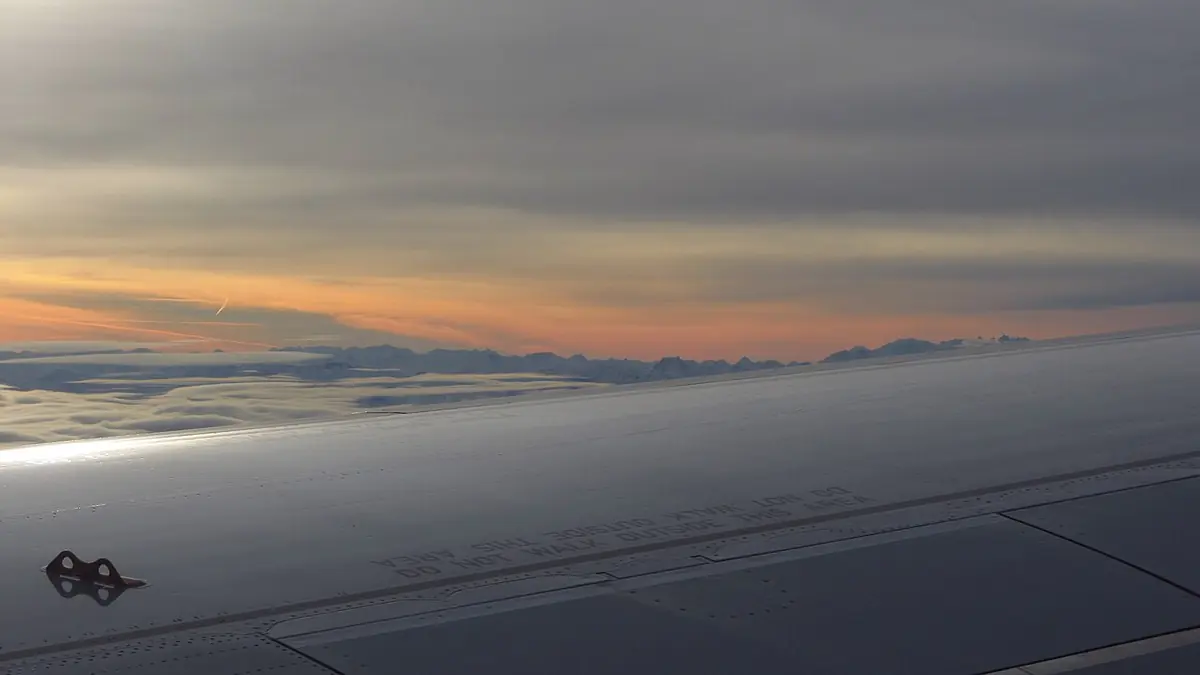
Average temperatures, rainfall, rare weather phenomena in Ticino.
Context
Key facts
- What: climate and weather Ticino
- When: all year round
- Where: Ticino, Switzerland
- Who: WeatherSwitzerland
- Amount: not available
The climate and weather of Ticino are characterized by a wide variety of climatic conditions, depending on the season and location. The region is located in the southern part of Switzerland, on the border with Italy, and extends along the coast of Lake Maggiore and Lake Lugano.
Spring
Spring in Ticino is generally hot and sunny, with temperatures hovering around 18°C in April and 22°C in May. Rainfall is rather scarce during this period, with an average of 60 mm of precipitation per month. The season is ideal for visiting the tourist resorts of Ticino, such as Bellinzona, Locarno and Lugano.
Summer
Summer in Ticino is hot and humid, with temperatures that can reach 30°C in July and August. Rainfall is more frequent during this period, with an average of 80 mm of precipitation per month. The season is also characterised by a wide variety of cultural and sporting events and events, such as the Lugano International Theatre Festival and the Corsa Lugano-Como.
Fall
Autumn in Ticino is hot and sunny, with temperatures hovering around 15°C in September and 10°C in November. Rainfall is more frequent during this period, with an average of 70 mm of precipitation per month. The season is ideal for visiting
Operational details
Precipitation is heaviest in spring and summer, peaking in June and July. Foehn, a hot summer wind, is a rare meteorological phenomenon in Ticino, but it can bring high temperatures and extreme weather conditions.
Spring: the rainy season
Spring is a transition season in Ticino, with temperatures gradually increasing. Precipitation is more frequent and abundant, with a peak in May and June. According to data from the Swiss Weather Service, in May the average rainfall in Ticino is around 120 mm, while in June it is around 140 mm. This means that spring is an ideal season for plants and vegetation, but also for heavy rains which can cause flooding and traffic problems.
Summer: the foehn season
Summer is the hottest and driest season in Ticino, with temperatures that can reach 30-35°C. Foehn, a hot summer wind, is a rare meteorological phenomenon in Ticino, but it can bring high temperatures and extreme weather conditions. According to data from the Swiss Weather Service, in July the average temperature in Ticino is around 23°C, while in August it is around 24°C. This means that summer is an ideal season for beach activities and mountain excursions, but also for hot and humid conditions that can cause health problems.
Winter: the snow season
Winter is the coldest and driest season in Ticino, with temperatures that can reach -10°C. Precipitation is rarer and more abundant, with a peak in January and February. According to data from the Swiss Weather Service, in January the average rainfall in Ticino is around 80 mm, while in February it is around 90 mm. This means that winter is an ideal season for skiing and mountain hiking, but also for cold and foggy conditions that can cause traffic problems.
Autumn: the season of leaves
Autumn is the transition season between summer and winter, with temperatures gradually decreasing. Precipitation is more frequent and abundant, with a peak in October and November. According to data from the Swiss Weather Service, in October the average rainfall in Ticino is around 100 mm, while in November it is around 110 mm. This means that autumn is an ideal season for mountain hikes and outdoor activities, but also for cold and foggy conditions that can cause traffic problems.
Laws and regulations
Switzerland has various laws and regulations to protect the environment and public health during different seasons. For example, the federal Industrial and Commercial Emissions Act (LEIC) establishes maximum limits for emissions of dust and gas pollutants. Furthermore, the Federal Environmental Protection Act (LPE) establishes regulations for waste management and water protection. These laws and regulations are important to ensure public health and safety, but also to protect the environment and nature.
Operational checklists
Here is an operational checklist for the different seasons:
- Spring:
+ Check the weather conditions before leaving home + Prepare equipment for mountain excursions + Check the safety of roads and infrastructure
- Summer:
+ Prepare equipment for seaside excursions + Check the safety of roads and infrastructure + Take precautions to avoid hot and humid conditions
- Winter:
+ Prepare equipment for skiing and mountain hiking + Check the safety of roads and infrastructure + Take precautions to avoid cold and foggy conditions
- Autumn:
+ Prepare equipment for mountain excursions + Check the safety of roads and infrastructure + Take precautions to avoid cold and foggy conditions
Practical scenario comparisons
Here are some comparisons between practical scenarios for different seasons:
- Spring vs. Summer:
+ Spring is a transition season, with temperatures gradually increasing. Summer is the hottest and driest season in Ticino, with temperatures that can reach 30-35°C.
- Summer vs. Winter:
+ Summer is the hottest and driest season in Ticino, with temperatures that can reach 30-35°C. Winter is the coldest and driest season in Ticino, with temperatures that can reach -10°C.
- Winter vs. Autumn:
+ Winter is the coldest and driest season in Ticino, with temperatures that can reach -10°C. Autumn is the transition season between summer and winter, with temperatures gradually decreasing.
References
- Swiss Weather Service: meteorological and climate data for Ticino
- Federal Law on Industrial and Commercial Emissions (LEIC): maximum limits for emissions of polluting dust and gases
- Federal Environmental Protection Act (LPE): Regulations for waste management and water protection
- Operational checklists for different seasons: check weather conditions, prepare equipment, check the safety of roads and infrastructure.
Recommended tools
For an updated estimate, use the net salary calculator and the CHF-EUR exchange comparator.
Key points
If you are a frontier worker, it is important to take the weather and climate into account when planning your activities in Ticino. The Ticino region is known for its variable weather conditions, which can affect your daily life and activities.
Spring
The spring in Ticino is characterized by mild temperatures and a certain humidity. Temperatures can vary between 10 and 20 degrees Celsius, with an average of 15 degrees. It's an ideal time for outdoor activities, such as walking or cycling. However, it is important to be prepared for any rain or thunderstorms that may occur during the season. Example: Heavy rain in Lugano in April can cause a rise in the water level of Lake Lugano, forcing the inhabitants to evacuate the areas most at risk. According to data from the Swiss Meteorological Service, on April 15, 2022, the rainfall in Lugano was 40 mm, which caused an increase in the lake's water level of about 20 cm.
Summer
The summer in Ticino is hot and dry, with temperatures that can reach 35 degrees Celsius. It's an ideal time for outdoor activities, such as swimming in the lake or hiking. However, it is important to be prepared for any heatwaves that may occur during the season. Example: A heatwave in Bellinzona in July 2022 caused an increase in the number of patients hospitalized for related diseases - A border worker living in Lugano can make a comparison between the climatic conditions of Lugano and the Municipality of Bellinzona. - A tourist visiting Ticino can make a comparison between the climatic conditions of Lugano and the Municipality of Locarno. In conclusion, it is important to be prepared for any variable weather conditions in Ticino. It is important to have an operational checklist, to be aware of the regulations and rules that regulate activities in Ticino and to make comparisons between practical scenarios.
Discover Ticino job offers updated daily: 4,000+ positions from Swiss companies hiring cross-border workers.
Frequently Asked Questions
- What is the average temperature in Ticino throughout the year?
- The average temperature in Ticino ranges from 2°C to 20°C throughout the year.
- When is rainfall most abundant in Ticino?
- Rainfall is most abundant in spring and summer, with a peak in June and July.
- What is the foehn and how does it manifest itself in Ticino?
- The foehn is a hot summer wind that can bring high temperatures and extreme weather conditions to Ticino.