Patriot delayed, Bern seeks alternatives
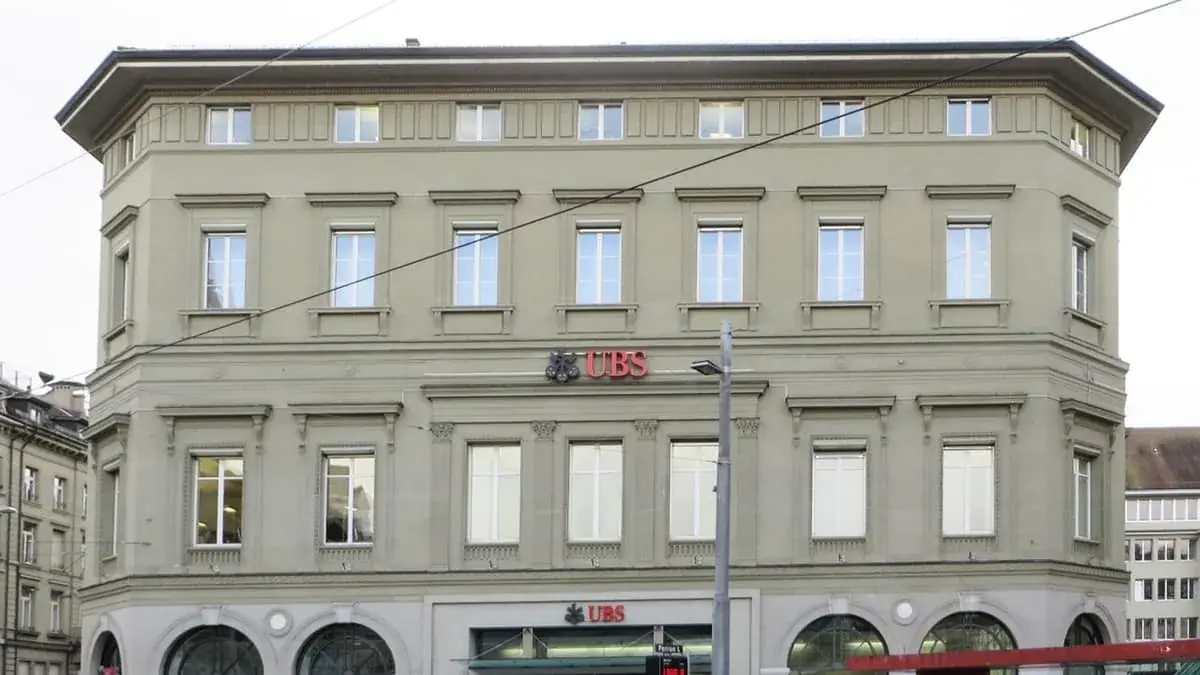
Switzerland looks for alternatives to delayed Patriot systems, consulting Germany, France, Israel, and South Korea.
What this page covers
Patriot delayed, Bern seeks alternatives is presented here as a practical resource rather than a thin summary. Switzerland looks for alternatives to delayed Patriot systems, consulting Germany, France, Israel, and South Korea. The static SEO content adds the missing context users need to understand who is affected, what may change in practice, and why the topic matters for people living in Italy and working in Ticino.
Many visits start from Google, not from the homepage, so the page needs enough substance on first load to explain the scenario clearly. That means giving readers more than a short excerpt: it should show the business, tax, salary, and day-to-day implications that normally drive real decisions for cross-border workers.
Why this matters
For cross-border workers, a single update often sits at the intersection of several systems: Swiss payroll rules, Italian tax consequences, commuting costs, health coverage, and administrative deadlines. Relevant themes on this page include patriot, alternatives, delayed, bern, seeks, berna. Without that wider framing, a page can look too thin even when the topic itself is important.
This page therefore expands the intent behind the article: what changed, why readers should care, which profiles are most exposed, and what additional checks are worth running before acting on the information. That improves both user comprehension and the page's search quality signals.
What to verify now
A useful first step is to compare the article with your own profile: place of residence, job location, old or new frontier-worker tax regime, family situation, salary level, and any remote-work arrangement. Small differences in those inputs can produce very different outcomes, especially on net income and compliance.
It is also worth validating the topic against the calculators, guides, and job pages linked across Frontaliere Ticino. When readers connect the article to real numbers such as withholding tax, IRPEF top-up, insurance costs, exchange-rate exposure, or commuting expenses, they can tell whether the update is informational or requires action.
Practical impact for cross-border workers
The practical value of an article for this audience is not just the headline. What matters is the likely effect on monthly cash flow, annual planning, documents to prepare, and choices about salary, insurance, work arrangement, or relocation. The page is structured to keep that practical lens visible from the start.
If the topic creates downstream questions around deadlines, forms, deductions, hiring, or policy changes, readers should not have to leave with only a vague summary. This static content is designed to bridge that gap and make the page useful enough to stand on its own while still connecting naturally to deeper tools and guides.
Useful next steps
The best next step is to use the linked calculators, guides, FAQs, and job search pages to test the topic against your exact case. That turns a single article into a practical decision flow, which is the core value users expect from Frontaliere Ticino.
If you have specific questions about how this topic affects your personal situation — salary, taxation, health insurance, pension planning, or transport — the platform's interactive calculators can give you precise quantitative answers using official 2026 fiscal parameters, without the need for external consultations.
Frequently Asked Questions
- Why is the Swiss franc so strong against the euro?
- The CHF is structurally strong for four main reasons: the constitutional debt brake (Schuldenbremse) that keeps Swiss public debt at around 27% of GDP, SNB gold reserves of over 1,000 tonnes, Swiss neutrality that attracts global capital in periods of tension, and historically low inflation. These factors combined mean that in periods of global uncertainty, capital flows into CHF, strengthening it further.
- How much do I save using Wise instead of a bank transfer to convert my CHF salary to euros?
- On a net salary of CHF 5,800 per month, the typical saving is EUR 50–100 per month compared with a classic bank transfer, which applies an exchange spread of 1.5–2.5% that is not always explicitly disclosed. Over a year the saving can reach EUR 600–1,200. Wise and Revolut use the mid-market rate with transparent fees in the range of 0.35–0.7%.
- Do I need to declare my Swiss bank account to the Italian tax authorities?
- Yes, if the balance exceeds EUR 5,000 at any point during the year. It must be declared in Schedule RW of the Italian personal income tax return (Redditi PF). This is not an additional tax on the balance but a tax monitoring obligation. Failure to declare is subject to penalties calculated as a percentage of the undeclared value. Even modest accounts used only for daily Swiss work expenses must be declared.