Another Heavy Vote: Yes to a Transit Tax for Drivers Passing Through Switzerland Without Stopping
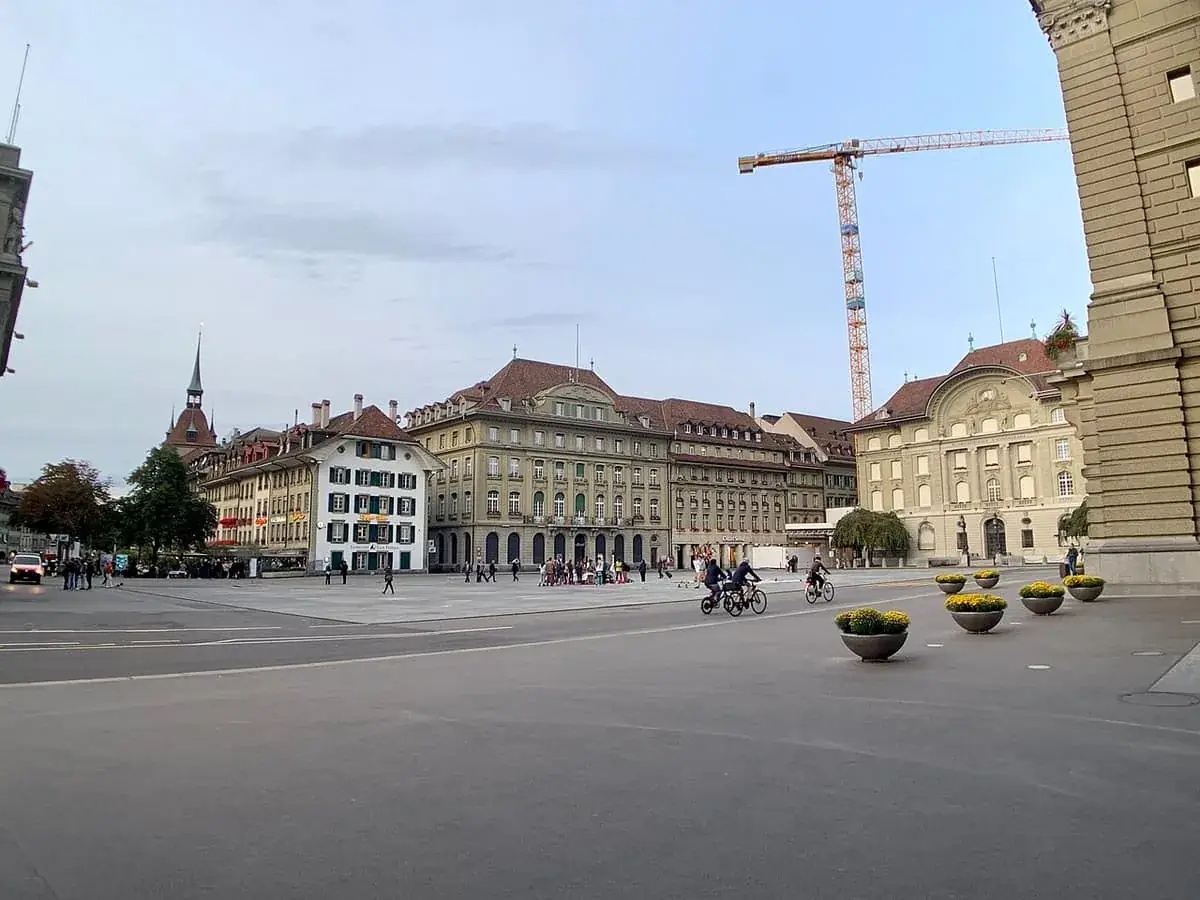
The National Council approves a motion that introduces a transit fee for those crossing Switzerland without stopping, aiming to ease congestion on main routes like the Gotthard.
Context
TL;DR
- Switzerland to introduce transit tax for drivers crossing without stopping.
- Tax aims to decongest key routes like Gotthard and Gaggiolo passes.
- Variable fees based on traffic, time, and day; exemptions for residents and tourists.
- Expected to come into effect in 2026, generating revenue for infrastructure.
Key facts
- Cosa: Transit tax for drivers crossing Switzerland without significant stops.
- Quando: Expected to come into effect in 2026.
- Dove: Key routes like Gotthard and Gaggiolo passes in Ticino.
- Chi: Proposed by Councillor Marco Chiesa, supported by various political parties.
- Importo: Variable fee between 5 and 15 Swiss francs based on traffic conditions.
- Esenzioni: Swiss residents and tourists staying in local accommodations are exempt.
- Sistema: Automatic detection using cameras at border crossings like Basel and Chiasso.
- Obiettivo: Decongest key arteries and reduce environmental impact.
At a time when cross-border traffic in Ticino continues to grow, Switzerland is preparing for a real revolution in motorway mobility. Recently, the National Council approved, with an overwhelming vote of 173 in favor and only 13 against, a motion presented by Councillor Marco Chiesa. This measure involves the introduction of a transit tax targeting drivers who cross the Confederation without stopping, meaning without significant pauses. The primary goal is to decongest key arteries such as the Gotthard and the Brogeda and Gaggiolo passes, which are often congested during peak periods like holidays and summer months. The proposal relies on an automatic detection system using cameras already installed at border crossings, such as Basel and Chiasso, which record license plates upon entry and exit. If the travel time between detection points indicates a quick passage without stops, a variable fee is applied, modulated based on traffic conditions, time of day, and day of the week. This initiative aims to encourage drivers to better plan their trips, avoiding peak hours and long queues, especially during Easter, Pentecost, or summer periods. Among supporters is Ticino Councillor Paolo Pamini, who emphasizes how this tax could help preserve traffic flow and reduce environmental impact. The regulation, expected to come into effect in 2026, will exclude residents in Switzerland and tourists staying in local accommodations from paying. The decision has sparked lively debate among political forces, with cross-party consensus among UDC, CVP, PS, Green Party, and much of the FDP, all agreeing on the need to improve cross-border mobility. In the coming months, the implementation of detection and tariff systems is anticipated, which, according to estimates, could generate significant revenue for Swiss authorities to fund infrastructure projects and improvements along transit routes. The main challenge will be ensuring proper enforcement, respecting exemptions, and maintaining transparency and fairness in tariff application. Switzerland’s move to introduce this tax marks an important step within broader traffic management policies affecting Ticino and its local communities. The issue remains hotly debated among cross-border workers and canton authorities, who must closely monitor the effects of this measure on daily mobility and the local economy.
Operational details
The idea of taxing rapid transit stems from the desire to modulate traffic flow and reduce long queues at border crossings, especially during peak periods. The proposed tariffs are variable and based on several parameters, such as traffic congestion levels, time of crossing, and the day of the week. For example, during holiday weekends like Easter or Pentecost, costs could increase, encouraging drivers to plan their trips more carefully. The system draws inspiration from models already used by other countries, such as Austria with its license plate detection systems and Italy’s Pedemontana, which apply transit fees for passing without stopping. The monitoring technology, already installed at border points like Gaggiolo and Brogeda, detects license plates at entry and exit, calculating the transit time. If this duration falls below a set threshold, the fee is applied. Exemptions will be granted to Swiss residents and tourists staying in the country’s accommodations, who are not required to pay. The legislation also envisions incentives for those who plan their trips during less congested times. The tariff, still under development, could range between 5 and 15 Swiss francs, depending on traffic conditions and the period. Management of this tax will be entrusted to both canton and federal authorities, with continuous controls and real-time updates. Scheduled to come into force in 2026, the regulation fits into broader policies of sustainable mobility and cross-border traffic flow management, aiming to reduce pollution and improve quality of life in border areas. The main challenge lies in balancing traffic fluidity with the mobility needs of workers and tourists, without excessively penalizing daily travel. The decision to introduce this tax is a significant step that requires effective communication and a transparent system to prevent dissatisfaction among users. For detailed information on regulations and potential costs, it is advisable to follow upcoming official updates from Swiss and canton authorities.
Recommended tools
For an updated estimate, use the net salary calculator and the CHF-EUR exchange comparator.
Key points
For frequent cross-border travelers between Italy and Switzerland, closely monitoring upcoming tariffs and application methods for this new transit tax is highly recommended. Trip planning can make a big difference, helping to reduce costs and manage time more efficiently. For instance, scheduling trips during less busy hours or choosing alternative routes such as Gaggiolo instead of Chiasso could be advantageous. Staying informed about regulatory developments and exemptions, like those for residents and tourists, which might change over time, is also essential. The detection technology, currently in testing, will ensure automated and transparent controls, but travelers should be prepared for possible tariff adjustments based on traffic trends. The management of this measure, handled by canton and federal authorities, aims to optimize mobility and reduce environmental impact, but it’s also important to consider its effects on transportation costs and business competitiveness. Tools like salary calculators or border maps can help plan trips more effectively and anticipate additional expenses. Remember, the regulation is set to be implemented in 2026, so now is the time to prepare and gather detailed information. The official platform of Ticino provides ongoing updates and useful tools to navigate this change smoothly. Transparency and clarity will be key to avoiding misunderstandings and ensuring fair administration of this new tax. For further details, consult the official websites and calculation tools available on Frontaliere Ticino, which can help assess how this measure might impact your budget and daily mobility.
Frequently Asked Questions
- When will the new transit tax come into effect for motorists who cross Switzerland without stopping?
- The new transit tax is expected to take effect in 2026.
- How will the exemptions for Swiss residents and tourists staying in accommodation facilities be managed?
- The exemptions will be managed through an automatic detection system that checks the license plates and verifies the stay at Swiss accommodation facilities. Swiss residents and tourists with registration at such facilities will be automatically excluded from paying the transit fee.
- How much will the new transit tax in Switzerland cost for those who pass without stopping?
- The rate of the new transit tax in Switzerland is not yet defined in detail, but estimates indicate a possible variation between 5 and 15 Swiss francs. The exact amount will depend on factors such as the level of traffic congestion, the time of passage and the day of the week, with potentially higher fares during peak periods.
- What are the detection systems used for the transit tax Switzerland?
- Switzerland will use an automatic detection system using cameras already present at border crossings, such as in Basel and Chiasso. These cameras will record the license plates of incoming and outgoing vehicles, calculating the travel time to identify rapid transits without significant stops.
- How can I avoid the new transit tax Switzerland?
- To avoid the transit tax, drivers should plan their trips by avoiding rush hours and busy periods, such as holidays and weekends. Alternatively, you can consider staying in Switzerland for a significant period, thus becoming exempt from paying the rapid transit fee.
Related articles
- All articles: Border and customs
- Tassa di transito, Bruxelles storce il naso - Frontaliere Ticino
- La tassa di transito in Ticino tra approvazione e impatti
- Tassa di transito in Svizzera: come funziona e cosa c'è da sapere
- Tassa di transito in Ticino: cosa cambia
- Switzerland Transit Fee 2026: la guida aggiornata per frontalieri