Swiss Foundries: Production Down 7.6%
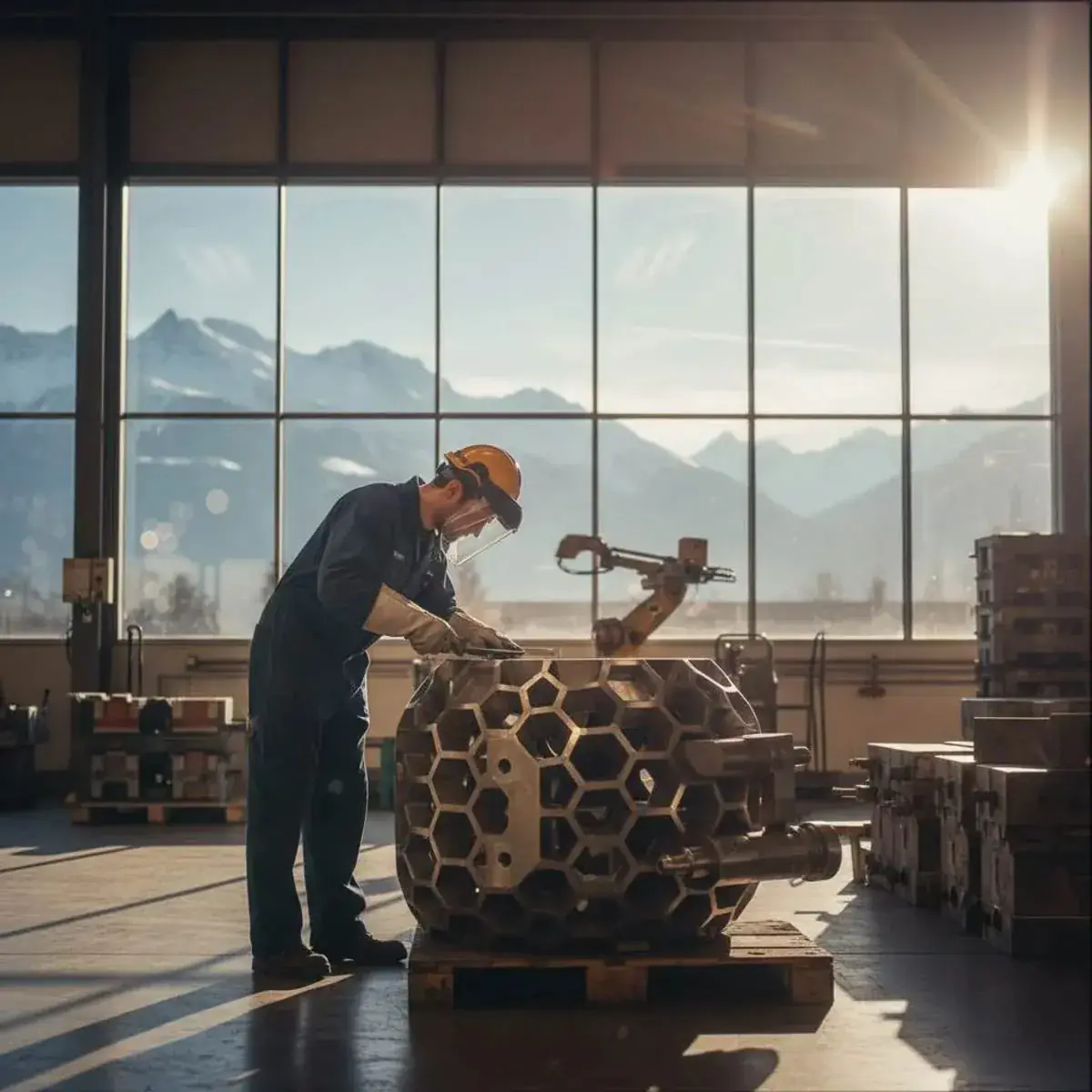
The Swiss metalworking sector, a pillar of employment in Ticino, closed 2025 with a sharp decline. Causes include US tariffs and the German auto crisis.
Context
TL;DR
- Swiss foundries production fell 7.6% in 2025
- German automotive crisis hit Swiss suppliers
- Protectionism threatens Swiss exports to EU
- Copper and zinc alloy castings grew 9.3%
Key facts
- Total production: 32,051 tons (-7.6%)
- Light alloy: 8,852 tons (-16%)
- Cast iron: 20,072 tons (-5.7%)
- Copper and zinc: 3,127 tons (+9.3%)
- Main cause: Weakness of European markets
- New threat: Protectionism and 'buy European' clauses
- Source: Giesserei-Verband der Schweiz (GVS)
- Date: February 24, 2026
A year to forget for Swiss foundries, a crucial sector for Ticino's economy and for many cross-border workers. Annual production fell by 7.6%, settling at 32,051 tons. This figure, released by the industry association Giesserei-Verband der Schweiz (GVS), sounds an alarm bell, reflecting a perfect storm of negative factors.
The main cause of this downturn lies across the border. The weakness of European markets, particularly the crisis affecting the German automotive industry, has had direct repercussions on Swiss suppliers. Many Ticino-based companies, especially in the Mendrisiotto region, are an integral part of this supply chain. Added to this was the prolonged shock of US tariff policy, which led many customers to freeze investments and strategic decisions, creating a general climate of uncertainty.
📊 Sector Data for 2025
- Total production: 32,051 tons (-7.6%)
- Light alloy and non-ferrous metals: 8,852 tons (-16%)
- Cast iron: 20,072 tons (-5.7%)
- Copper and zinc alloy castings: 3,127 tons (+9.3%)
The only ray of sunshine in a gloomy picture is copper and zinc alloy castings, a niche segment that has shown robust growth. However, it's not enough to offset the heavy losses in other compartments, especially light alloys, which are strategic for the automotive sector.
Operational details
Structural Challenges and New Protectionist Threats
Beyond the negative economic climate, Swiss foundries and the metalworking industry are fighting a daily battle against structural problems well known to cross-border workers. The strong franc continues to erode competitiveness in foreign markets and the real value of salaries once converted into euros. Added to this are high energy costs, a heavy burden for an energy-intensive sector, and the chronic shortage of skilled labor, a problem that highlights the fundamental role of qualified workers from across the border.
But a new, insidious threat is looming on the horizon: protectionism. Danilo Fiato, president of GVS, denounces a worrying trend: "We are increasingly confronted with 'buy European' clauses." This means that Swiss companies risk being excluded from important public and private contracts within the EU.
⚠️ Alarm for Exports The concern is palpable, especially when looking south. The GVS industry association is anxiously following the Federal Council's diplomatic dialogue with Rome. Director Marcel Menet was explicit: "If Italian protectionist tax breaks were to set a precedent in the EU, our export opportunities, for example to Germany, would decrease further." A paradox that would see Italian policies indirectly harming Swiss companies that employ thousands of Italian citizens.
Key points
Cautious Outlook and Some Glimmers of Hope
Despite the complex picture, not all is lost. Some market segments, such as railway rolling stock, large engines, and construction, have shown stable or slightly growing demand. Furthermore, the crisis in Germany has had an unexpected effect: the closure of some German foundries has prompted customers to turn to Swiss suppliers, recognized for their reliability and superior quality. An opportunity for the most solid and innovative companies.
However, the forecast for the current year remains cautious. A sudden turnaround is not expected, but rather a gradual stabilization. Some timid positive signals could come from the new model series of German car manufacturers, although the impact will not be immediate.
💡 What does this mean for cross-border workers? For those working in the metalworking sector in Ticino, this scenario translates into a period of careful observation. Job stability will depend on their company's ability to compete on quality and innovation. In such a volatile economic context, having a clear picture of one's financial situation becomes essential for making informed decisions. Knowing exactly what your salary is worth after taxes and currency exchange is the first step towards effective planning. For this reason, tools like our net salary calculator can provide concrete and immediate support.
Source: Tio.ch / Ats, February 24, 2026
Frequently Asked Questions
- Why did the production of Swiss foundries fall in 2025?
- Production fell by 7.6% in 2025 due to the weakness of European markets, particularly the German automobile industry. US tariff policies have also created uncertainty, pushing customers to freeze investments and negatively affecting Ticino companies.
- What are the main challenges for frontier workers working in the Swiss foundries?
- Frontiers face the problem of the strong franc, which reduces the value of the salary in euro, and the high energy costs. Moreover, the shortage of skilled labor in Switzerland makes their contribution crucial, but the competitiveness of companies is put to a tough test.
- What does 'buy European' protectionism mean for Swiss foundries and their employees?
- The 'buy European' clauses risk excluding Swiss companies from public and private contracts in the EU. This could further reduce export opportunities and negatively impact the job stability of cross-border commuters, as many companies depend on foreign orders.
- Are there sectors of the Swiss foundries that go better despite the crisis?
- Yes, copper and zinc alloy castings showed a growth of 9.3%. Sectors such as railway rolling stock, large engines and construction have also seen stable or growing demand. The closure of German foundries has created opportunities for reliable Swiss suppliers.
- How does the economic situation of Swiss foundries affect cross-border workers?
- The working stability of frontier workers depends on the ability of companies to compete on quality and innovation. In this volatile context, it is essential for workers to understand the net value of their salary, considering taxes and euro-franc exchange, for effective financial planning.
Related articles
- All articles: Jobs and employment
- Frontalieri in Ticino: Perché il numero sta calando?
- Petizione per mantenere la produzione di Aromat in Svizzera
- Nespresso resta in Svizzera malgrado i dazi USA
- Occupazione Svizzera Q1 2026: +26.100 posti, dati UST
- Varese: 7mila posti vacanti nel 2026. Ecco cosa cambia pe