Regazzi re-elected at USAM: bureaucracy and UDC initiative (cross-border guide)
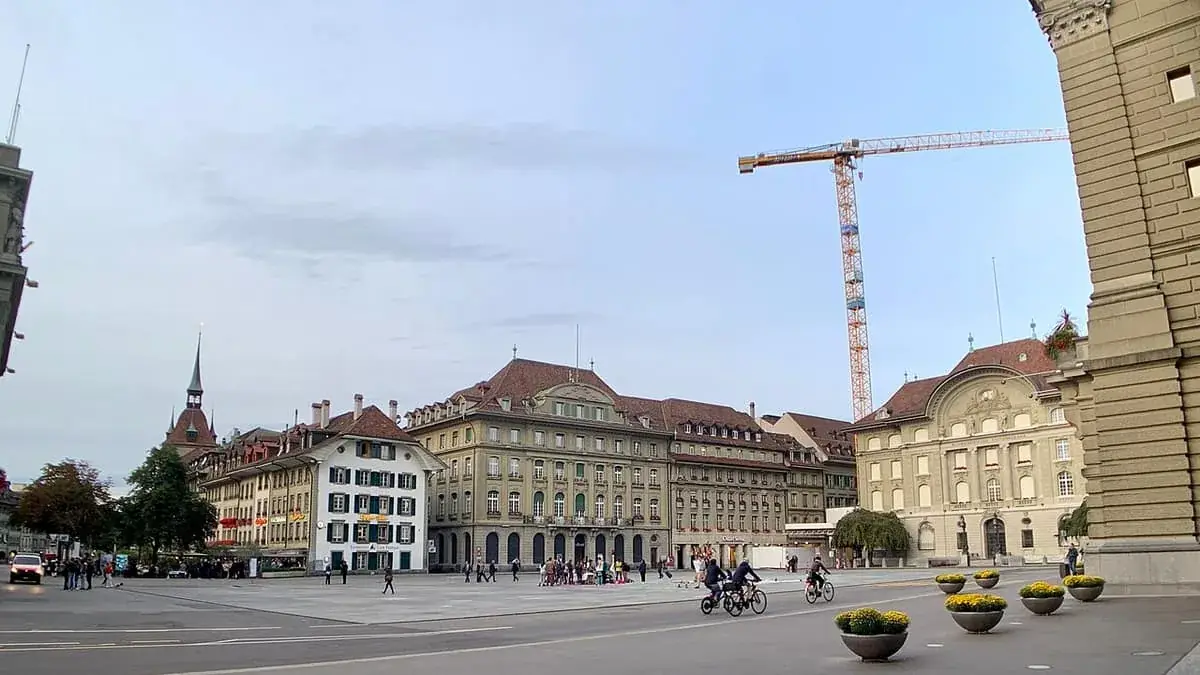
Fabio Regazzi re-elected president of USAM. Criticizes bureaucracy and UDC initiative on immigration. Economic impact for Ticino cross-border workers.
Context
In brief
- Regazzi reelected USAM president
- Unbearable bureaucracy for SMEs
- UDC initiative threatens economy
Key facts
- What: Fabio Regazzi reelection
- When: 22 minutes ago
- Where: Gewerbekammer, Ticino
- Who: USAM, Fabio Regazzi
- Amount: Not yet specified
Fabio Regazzi was unanimously reelected as president of the Swiss Union of Arts and Crafts (USAM). During his speech at the Gewerbekammer, the parliamentary body of the organization, he delivered a clear message: bureaucracy has become unsustainable, especially for small and medium-sized enterprises (SMEs).
"We have many challenges in this particular period, but a topic that was, is, and will remain a priority on our agenda is the fight against bureaucracy," Regazzi told TicinoNews. "The situation is worsening and becoming increasingly unsustainable, especially for SMEs that are not structured like multinational corporations."
Impact on Canton Ticino
Ticino's SMEs, which represent a significant part of the local economy, are particularly vulnerable to bureaucracy. Regazzi emphasized that these companies do not have the same resources as large multinationals to cope with administrative complexity.
"It is a fundamental issue to try, if not to reverse the trend, at least to slow down its evolution," he added. Excessive bureaucracy can hinder the growth of SMEs and limit their ability to compete in the market.
UDC Initiative and Labor
Another crucial topic addressed by Regazzi is the UDC initiative "No to a Switzerland of 10 million," which could have a significant impact on the Swiss economy and, consequently, on Ticino's cross-border workers. "This initiative weighs heavily on the Swiss economy," declared Regazzi.
…
Operational details
Impact on the lives of cross-border workers
The UDC initiative 'No to a Switzerland of 10 million' could have a significant impact on cross-border workers who work in Switzerland and reside in Italy. The lack of foreign labor could lead to increased competition for jobs, making it more difficult for cross-border workers to find and maintain employment in Switzerland.
Procedures and documents
Cross-border workers who wish to work in Switzerland must follow a series of procedures and obtain the necessary documents. These include the work permit, the residence permit, and, in some cases, the permit of stay. It is important that cross-border workers are up-to-date on the regulations and procedures to avoid problems.
Comparison with the previous situation
Before the UDC initiative, cross-border workers had more opportunities to find work in Switzerland due to the availability of foreign labor. However, with the initiative that could limit immigration, the situation could change significantly. Cross-border workers should be prepared for possible changes in regulations and procedures to obtain and maintain their work and residence permits.
Future scenarios
If the UDC initiative passes, cross-border workers could face greater competition for jobs and may have to deal with more complex procedures to obtain the necessary permits. It is important that cross-border workers are aware of these possible challenges and prepare accordingly.
Training and integration of women
USAM is working to improve the professional training of young people and the integration of women into the workforce. These efforts could help mitigate the impact of the labor shortage and offer more opportunities to cross-border workers.
…
Key points
What cross-border workers should do
Cross-border workers who work in Switzerland and live in Italy should closely monitor the evolution of the UDC initiative and prepare for possible changes in regulations and procedures for obtaining and maintaining work and residence permits.
Step-by-step to obtain permits
1. Inform yourself about regulations: Cross-border workers should inform themselves about current and future regulations regarding cross-border work. This can be done through the SECO website or by consulting a lawyer specializing in labor law. 2. Obtain work permit: Cross-border workers must obtain a work permit from the canton where they intend to work. This can be done through the canton's website or by consulting the local employment office. 3. Obtain residence permit: Cross-border workers must obtain a residence permit from the municipality where they intend to reside. This can be done through the municipality's website or by consulting the local residence office. 4. Obtain permit of residence: Cross-border workers must obtain a permit of residence from the municipality where they intend to reside. This can be done through the municipality's website or by consulting the local residence office. 5. Maintain permits: Cross-border workers must maintain their work, residence, and permit of residence by following the regulations and procedures established by the Swiss authorities.
Useful tools
Cross-border workers can use tools such as the salary calculator to compare salaries in Switzerland and Italy and the permit comparator to compare work and residence permits in Switzerland and Italy.
…
Frequently Asked Questions
- What are the main challenges faced by Ticino SMEs?
- The main challenges faced by Ticino SMEs include excessive bureaucracy, a shortage of both skilled and unskilled labor, and uncertainties in the energy and raw materials markets. Bureaucracy is particularly unsustainable for SMEs, which do not have the same resources as large multinational corporations to deal with it.
- What is the impact of the UDC initiative on cross-border workers?
- The UDC initiative 'No to a Switzerland of 10 million' could have a significant impact on cross-border workers who work in Switzerland and reside in Italy. The lack of foreign labor could lead to increased competition for jobs, making it more difficult for cross-border workers to find and maintain employment in Switzerland.
- What can cross-border workers do to address the challenges of cross-border work?
- Cross-border workers can closely monitor the evolution of the UDC initiative and prepare for possible changes in regulations and procedures for obtaining and maintaining work and residence permits. Using tools like the salary calculator and permit comparator can help cross-border workers make informed decisions and plan their future careers.