1 May 2026: unions and politics against UDC initiative
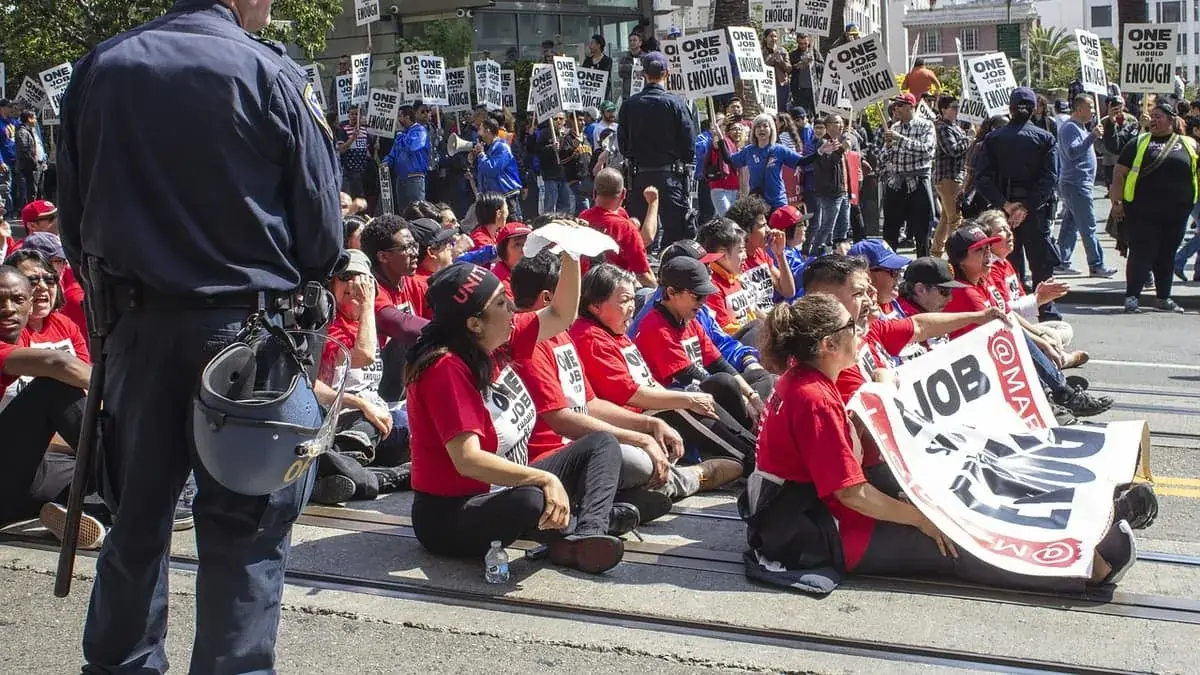
National mobilization against the UDC initiative 'No to a Switzerland of 10 million!' with demonstrations in various Swiss cities.
Context
In brief
- 1st May 2026: national mobilization against the UDC initiative
- Thousands in the streets of Zurich and other cities
- Unions and politicians warn about risks to jobs and economy
Key facts
- What: Protests against the UDC initiative 'No to a Switzerland of 10 million!'
- When: 1st May 2026
- Where: Zurich, Lausanne, Aarau, Biel, Liestal
- Who: Unions, federal councillors, citizens
- Attendance: Around 15,000 people in Zurich
On 1st May 2026, Switzerland saw widespread mobilization in defense of workers' rights and a strong warning against the popular initiative by the Swiss People's Party (SVP, conservative right) 'No to a Switzerland of 10 million!', which will be put to a vote on 14 June. Thousands of people took to the streets in various locations, with union leaders and two federal councillors participating.
The unions' voices
The Labour Day celebrations provided an opportunity for the unions to express concern about the potential consequences of the UDC initiative. Pierre-Yves Maillard, president of the Swiss Trade Union Federation (SGB/USS) and socialist councillor from Vaud, stated that the initiative poses a concrete threat to wages, pensions, and jobs. 'We don't want a Switzerland where workers can come, but at the price of being separated from their families. We oppose the abolition of wage controls, wage dumping, and black market labour', Maillard declared.
Vania Alleva, vice-president of the SGB/USS and president of the Unia union, who spoke in Aarau, also warned against the 'economic chaos and massive job losses in the export industry' that would result from the initiative's acceptance. Therefore, the day's motto was 'Defend jobs and wages – No to isolation!'.
…
Operational details
Implications for cross-border workers
The UDC initiative 'No to a Switzerland of 10 million!' could have a significant impact on cross-border workers who work in Switzerland and reside in Italy. A restriction on the free movement of people could make it more difficult to obtain or renew work permits, such as the G permit. Additionally, the abolition of wage controls could lead to a reduction in wages, with negative consequences for cross-border workers.
Possible scenarios
If the initiative is approved, Switzerland may have to renounce the bilateral agreements with the European Union, which could lead to stricter restrictions for cross-border workers. This could include the requirement to obtain a residence permit for cross-border workers residing in Italy, with additional costs and bureaucratic procedures.
Comparison with the current situation
Currently, cross-border workers benefit from the free movement of people between Switzerland and the European Union, which facilitates crossing the border and working in Switzerland. However, the approval of the UDC initiative could radically change this situation, making it more difficult for cross-border workers to work in Switzerland and maintain their current lifestyle.
Concrete procedures
Cross-border workers who are concerned about the potential consequences of the UDC initiative can take some measures to prepare. For example, they can ensure they have all the necessary documents for their work and residence permits, and they can monitor the news and updates on the initiative. Additionally, they can participate in demonstrations and campaigns to oppose the initiative and make their voices heard.
Useful tools to protect your net income
To reduce FX leakage, compare CHF-EUR exchange options and banks for cross-border workers.
Key points
What to do now
Cross-border workers who commute to Switzerland and reside in Italy can take some measures to prepare for the potential consequences of the UDC initiative. Firstly, it's important to ensure you have all the necessary documents for your work and residence permits. This includes the G permit, which allows cross-border workers to work in Switzerland and reside in Italy.
Monitor the news
It's also important to monitor the news and updates on the UDC initiative. Cross-border workers can visit the website of the Federal Department of Justice and Police (DFJP) to obtain updated information on the initiative and its potential consequences. Additionally, they can participate in demonstrations and campaigns to oppose the initiative and make their voices heard.
Participate in demonstrations
Cross-border workers can also participate in demonstrations and campaigns to oppose the UDC initiative. This can include joining marches and protests, signing petitions, and sharing information on social media. Cross-border workers can also contact their political representatives to express their concerns and ask them to oppose the initiative.
Use useful tools
Cross-border workers can use useful tools like the salary calculator to calculate their net salary and understand the tax implications of the UDC initiative. Additionally, they can use the permit comparator to compare different types of work and residence permits and choose the one that best suits their needs.
…
Frequently Asked Questions
- What are the potential consequences of the UDC initiative for cross-border workers?
- The UDC initiative 'No to a Switzerland of 10 million!' could make it harder to obtain or renew work permits for cross-border workers, such as the G permit. Additionally, it could lead to a reduction in salaries and stricter restrictions for cross-border workers residing in Italy.
- What can cross-border workers do to prepare for the potential consequences of the UDC initiative?
- Cross-border workers can ensure they have all the necessary documents for their work and residence permits, monitor news and updates on the initiative, participate in demonstrations and campaigns to oppose the initiative, and use useful tools like the salary calculator and permit comparator.
- What are the risks to the Swiss economy if the UDC initiative is approved?
- The approval of the UDC initiative could lead to economic chaos and massive job losses in Switzerland's export industry. Furthermore, it could damage Switzerland's international credibility and its humanitarian tradition, compromising its reputation as a reliable state.