Ticino real estate market: -33% in available rental properties in 5 years. What changes for cross-border workers
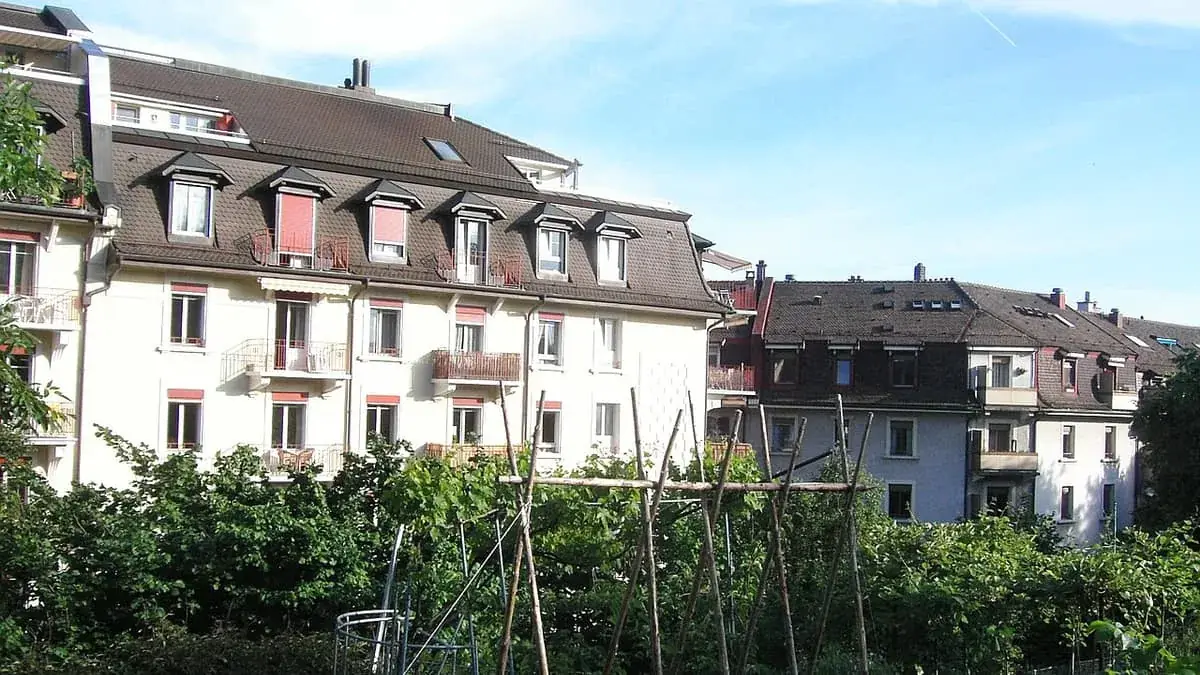
Over the past five years, the number of vacant rental properties in Ticino has dropped from 5,941 to 3,980 units. The vacancy rate now stands at 1.92%.
Context
TL;DR
- Ticino rental properties dropped 33% from 2021 to 2025
- Vacancy rate in Ticino is 1.92%, better than Zurich or Bern
- Cross-border workers face higher commuting costs and competition
- Tourism and second homes reduce available housing supply
Key facts
- Rental drop Ticino: 33% decrease from 2021 to 2025
- Vacancy rate Ticino: 1.92% in 2025
- Rental drop Switzerland: 38% decrease from 2021 to 2025
- Properties for sale drop: 10% decrease from 2021 to 2025 in Ticino
- Rent increase Ticino: 10% increase over the past five years
- Commuting costs: Up to 500 CHF per month for Como-Lugano commute
- Price increase Lugano: 20% increase in five years for homes
- Vacant properties Ticino: 15% of residential properties vacant part of the year
In 2025, Ticino recorded a 33% drop in available rental properties compared to 2021, falling from 5,941 to 3,980 units. These figures, compiled by the Confederation based on federal statistics, confirm a national trend that is severely impacting low- and middle-income families. Across Switzerland, the number of rental properties available dropped by 38% in the same period, with even more dramatic peaks in cantons like Zurich (-38%) or Bern (-34%).
The impact on Ticino’s cities
Ticino’s urban centers are not immune to this trend. In Lugano, demand for affordable housing far exceeds supply, pushing many families to consider alternatives such as shared living arrangements or prolonged commuting. According to federal data, Ticino remains in a relatively better position compared to high-density areas like Zurich or Central Switzerland, with a vacancy rate of 1.92%. However, even in this canton, the pressure is palpable, especially in municipalities well-connected by public transport, where demand for primary residences far outstrips availability.
📊 Key figures:
- Vacancy rate in Ticino: 1.92% (vs. 0.57% in Graubünden)
- Drop in rental properties: -33% (2021-2025)
- Swiss-wide drop in rental properties: -38%
The trend in properties for sale
The real estate market in Ticino is also seeing a contraction in supply. The number of properties available for sale decreased from 1,076 in 2021 to 956 in 2025, a 10% reduction. This contrasts with trends in regions like Basel-Country or Zug, where unsold properties have increased. The scarcity of available properties, combined with high construction costs and strong demand, has driven a 20% average increase in residential property prices across Switzerland. For those searching for a home, the situation is becoming increasingly challenging: those unable to secure a mortgage at current rates are forced to extend their rental stays, entering a cycle of already saturated demand.
The case of Graubünden: an even more critical situation
If Ticino is struggling, Graubünden is facing an even deeper crisis. Available rental properties have plummeted by 40% in five years, dropping from 1,068 to 638 units. The vacancy rate in this canton stands at 0.57%, one of the lowest in Switzerland, surpassed only by Zurich and Zug. In areas like Chur and St. Moritz, competition between primary residences, second homes, and tourism makes it nearly impossible to find affordable housing for permanent residents. The dynamics are similar to those in Ticino, but with even greater pressure due to the presence of luxury tourism, which absorbs significant portions of the housing supply.
⚠️ Trend comparison (2021-2025):
- Ticino: -33% rental properties, -10% properties for sale
- Graubünden: -40% rental properties
- Zurich: -38% rental properties
- Bern: -34% rental properties
Operational details
For cross-border workers residing in Italy and working in Ticino, the current situation presents an additional challenge. The competition for housing is no longer just between Swiss families, but also involves workers from neighboring countries, drawn by Switzerland’s economic stability. According to an analysis by the Federal Office for Housing (UFAB), rental prices have increased by an average of 10% over the past five years—a percentage that far exceeds the inflation recorded in the same period.
What happens if you can’t find a home in Ticino?
For many cross-border workers, the most immediate solution is to expand the search to nearby Italian municipalities such as Chiasso, Mendrisio, or Stabio, where prices are generally lower. However, this strategy comes with significant risks: prolonged commuting translates into direct costs (fuel, tolls, time) and indirect costs (fatigue, reduced productivity). A concrete example: someone living in Como and working in Lugano can spend up to 500 francs per month just on the round-trip commute, not including additional expenses for parking or public transport.
📊 Key figures:
- Average rent increase in Ticino: +10% in 5 years
- Monthly commuting costs (Como-Lugano): up to 500 CHF
Renting vs. buying: a tough choice
Those who have the option to purchase a property face a difficult decision. On one hand, prices have risen by an average of 20% in five years; on the other, the supply of properties for sale is declining, especially in the most sought-after areas. In Lugano, for example, a house that cost 1 million francs in 2021 can now reach 1.2 million. For many cross-border workers, this gap makes purchasing inaccessible without a significant initial capital.
⚠️ Market snapshot:
- Average price increase for homes in Lugano: +20% in 5 years
- Example: A property worth 1M CHF in 2021 now costs 1.2M CHF
The role of tourism in the housing crisis
Another factor exacerbating the situation is the growing demand for second homes, often purchased by foreign investors or residents from other Swiss regions. According to USTAT data, in 2025, 15% of residential properties in Ticino were vacant for at least part of the year—a percentage that rises to 20% in some areas of the Lugano region. This dynamic further reduces the supply of rental housing, particularly in key locations where demand for worker accommodations is highest.
💡 Insight:
- 15% of Ticino’s residential properties are vacant for part of the year
- In the Lugano area, vacancy rates can reach 20%
Comparison with the situation in 2021
Five years ago, finding housing in Ticino was already challenging, but the supply was still greater than it is today. For example, in 2021, there were around 1,200 rental properties available in Lugano; today, only about 800 remain. The difference is not just quantitative but also qualitative: many of the remaining properties are smaller or in less favorable conditions, with rents often exceeding 1,500 francs per month for a three-room apartment. For a cross-border worker with an average income, this means allocating over a third of their salary just to rent.
📌 Historical context:
- Available rentals in Lugano (2021): ~1,200
- Available rentals in Lugano (2025): ~800
- Average rent for a three-room apartment: >1,500 CHF/month
Useful planning tools
To estimate your pension strategy, use the pension planner and the pillar 3 simulator.
Key points
For those currently searching for a home in Ticino amid the current housing crisis, it is essential to act strategically and leverage all available tools. Here’s a step-by-step guide to maximize your chances of success:
1. Expand your search area promptly. Don’t limit yourself to the most central municipalities—consider also peripheral but well-connected locations. For example, towns like Vezia, Porza, or Savosa offer excellent public transport links to Lugano at lower costs compared to central neighborhoods.
2. Monitor listings constantly. Available properties are often booked within hours, if not minutes. Use platforms such as immobiliare.ch or homegate.ch and set up alerts to receive immediate notifications. For cross-border workers, it’s also useful to monitor listings on Italian sites like immobiliare.it or idealista.it, where properties near the border are frequently posted.
3. Prepare comprehensive documentation. Landlords receive countless applications, so it’s crucial to present yourself with:
- Bank references or payslips
- Employment contract (if not Swiss)
- References from previous landlords or employers
- Possible guarantees (bank guarantee or security deposit)
4. Consider temporary solutions. If the search drags on, explore short-term sublets or temporary residences. Some Ticino municipalities offer transitional housing for workers awaiting a permanent solution.
5. Explore buying alternatives. If your financial situation allows, investigate mortgage options. However, proceed with caution: interest rates remain high compared to recent years, and the supply of properties for sale is limited. For a realistic cost simulation, use the mortgage calculator available on our website.
6. Contact real estate agents directly. Often, the most interesting listings aren’t published online. It’s helpful to schedule meetings with local agencies and ask to be added to priority lists for new properties.
7. Look into benefits for cross-border workers. Some Ticino housing cooperatives offer controlled-price housing for commuters. For more information, contact the Dipartimento delle Finanze ed Economia del Ticino (DFE) or local municipal administrations.
Deadlines and Timelines
There are no fixed deadlines for finding a home in Ticino, but competition is so fierce that many rentals are allocated within weeks of the listing being published. For those moving to Ticino from abroad, it’s advisable to start the search at least 3–6 months before the planned start date. This allows time to visit properties, negotiate, and sign contracts without excessive pressure.
Useful Tools
- Ticino municipalities map to identify areas with better accessibility and more affordable prices
- Cost of living calculator to assess how rent fits into your household budget
- Cross-border salary comparator to verify the financial sustainability of your new accommodation
Source: rsi.ch
Frequently Asked Questions
- Is there a maximum rent cap in Ticino for cross-border workers, as in other Swiss regions?
- Not yet specified. The Swiss Confederation has not introduced specific rent control mechanisms for cross-border workers in 2025. Rent increases follow the free market trend, with an average rise of 10% over the past five years.
- Can I benefit from tax relief if I buy a home in Ticino as a cross-border worker?
- Not yet specified. Tax relief for purchasing a first home in Ticino depends on municipal and cantonal policies, which have not been updated in the source. It is advisable to check directly with the Ticino Department of Finance and Economy (DFE).
- Which Ticino municipalities offer the best affordability for cross-border workers in 2025?
- Federal data does not provide a detailed ranking, but it indicates that municipalities like Vezia, Porza, Savosa, and Balerna maintain more affordable prices compared to Lugano or Bellinzona. However, availability is limited and competition is high.
- What happens if I cannot find accommodation in Ticino by my start date? Can I live in Italy and work remotely?
- Not yet specified. Swiss regulations do not provide automatic exceptions for those unable to secure housing. In case of need, a temporary exemption may be requested from the local municipality, but success is not guaranteed. It is recommended to contact the relevant municipal service in advance to explore options.
- Do short-term rentals (Airbnb, etc.) negatively impact housing availability for cross-border workers in Ticino?
- Yes. According to the Swiss Federal Statistical Office (USTAT) in 2025, 15% of residential properties in Ticino were vacant for at least part of the year due to second homes or short-term rentals. This phenomenon reduces the supply of long-term rental units, especially in high-demand areas.