Heavy Traffic on A2 and 'Elephant Races' (cross-border guide)
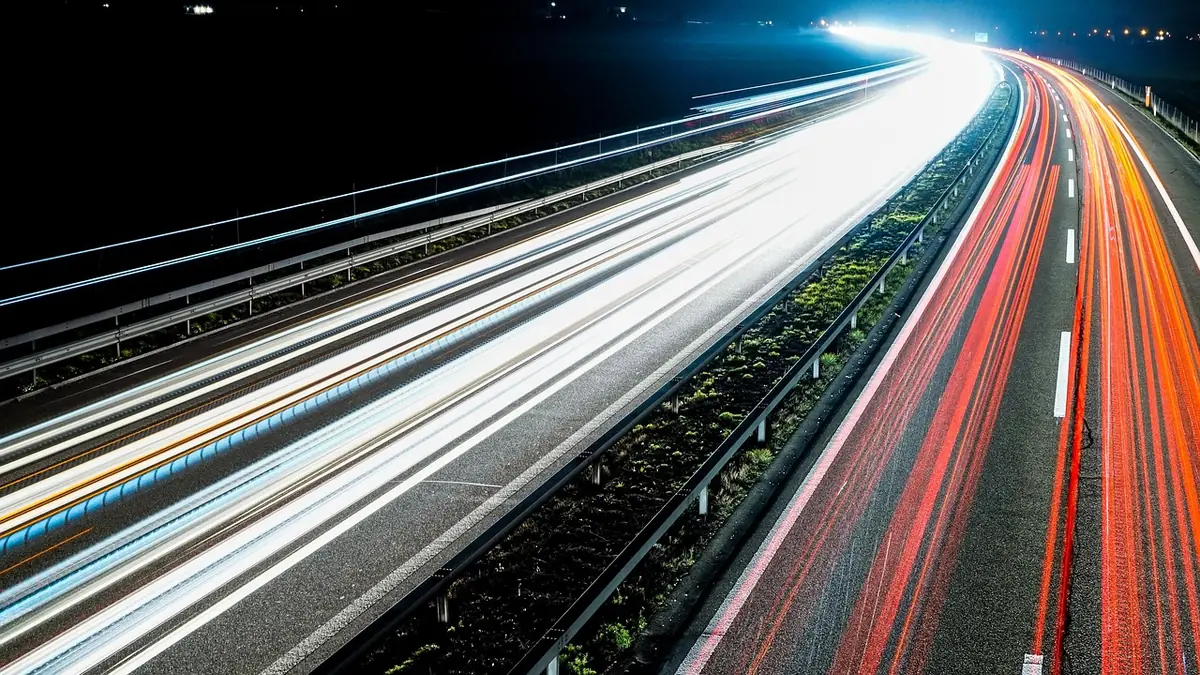
Question to the Council of State on heavy traffic and prolonged overtaking among trucks on the A2 highway in Ticino.
Context
In brief
Congestion on the Bellinzona–Lugano–Chiasso route is the norm. The 'elephant races' are prolonged overtakes involving trucks. The overtaking ban regulation is poorly enforced. Authorities are called to clarify the situation.
Key facts
- What: Prolonged overtakes between trucks on the A2.
- When: Recently reported in a parliamentary question.
- Where: The Bellinzona–Lugano–Chiasso stretch.
- Who: Giovanni Albertini from Avanti con Ticino&Lavoro.
- Amount: Not yet specified.
The parliamentary question submitted to the Council of State by the councilor Giovanni Albertini, co-signed by Evaristo Roncelli and Amalia Mirante, highlights how congestion on the A2 motorway has become the usual condition. The section between Bellinzona, Lugano, and Chiasso is often slowed down by traffic and queues, directly impacting citizens’ quality of life, road safety, and the economic attractiveness of the Canton.
Among the most evident issues are the so-called 'elephant races,' which are prolonged overtakes involving trucks that, especially during peak hours or on already saturated stretches, paralyze traffic. This phenomenon fuels driver frustration and can create dangerous situations. The regulation prohibits overtaking for heavy vehicles, but the question is: in which stretches, times, and conditions is this actually enforced? Furthermore, it appears that compliance with this rule is often left to insufficient controls, giving the impression that enforcement is more on paper than in reality.
…
Operational details
Practical Analysis
The phenomenon of "elephant races" represents a traffic management issue that directly affects cross-border workers. Chronic congestion on the Bellinzona–Lugano–Chiasso route results in delays, increased stress, and accident risks. The presence of prolonged overtaking between trucks, often driven by the need to meet delivery times, creates dangerous situations and fuels drivers' frustration.
When comparing this situation to the past, it is evident that traffic quality has worsened in recent years. The Swiss policy of shifting freight to rail, announced as a long-term strategy, now seems to have slowed down, with reassurances that have yet to translate into concrete actions.
The inquiry also raises the question of how authorities monitor compliance with the overtaking ban. The perception of lax controls can lead to a decline in the culture of respecting regulations, increasing the risk of accidents. For cross-border workers, this translates into a heightened sense of daily insecurity and a potential increase in transportation costs, considering the risks of delays and damages.
To mitigate these issues, it may be beneficial to introduce more effective monitoring systems, such as cameras and smart sensors, and to intensify checks during peak hours. Additionally, improving communication between authorities and users can help better plan trips, avoiding critical stretches.
Another perspective concerns freight transfer policies. If the shift to rail were to slow down further, heavy traffic could spill over onto highways, exacerbating congestion. It is therefore essential that the promises made by FFS Cargo and the authorities are verified with concrete data.
…
Key points
Actions and tools
For cross‑border commuters, tackling the problem of "elephant races" requires a practical and informed approach. First, it is essential to constantly monitor traffic conditions at major checkpoints such as Brogeda, Chiasso and Gaggiolo. Official portals and dedicated apps provide real‑time updates on delays and the presence of checks.
Second, it is advisable to plan trips during less critical times, for example by avoiding morning and evening rush hours. Choosing intermediate times can significantly reduce the risk of encountering prolonged passing and congestion. To optimise this planning, you can use the tax calculator to assess any savings or additional costs related to the choice of departure time.
If traffic problems occur frequently, it can be useful to adopt advanced navigation systems that integrate real‑time traffic data. These tools allow you to deviate the route before congestion or dangerous situations arise.
Additionally, it is recommended to promptly report any abuses to authorities, such as dangerous passing or lack of checks, using official channels. Collaboration between cross‑border commuters, transport companies and authorities can contribute to a more effective management of the issue.
For truck drivers and heavy vehicles, it is important to respect the no‑passing rules and to take advantage of scheduled breaks to avoid prolonged passing situations. Route planning and compliance with regulations are essential for everyone’s safety.
On the public policy front, authorities are called upon to strengthen checks, possibly through digital tools such as cameras and smart sensors. Verification of compliance with the no‑passing rule should be more frequent and comprehensive.
…
Frequently Asked Questions
- What is the main issue reported on the A2 in Ticino?
- The primary problem is prolonged overtaking maneuvers between trucks, called 'elephants' races, which paralyze traffic flow and pose safety risks.
- Which are the most critical areas of the A2 motorway?
- The sections between Bellinzona, Lugano, and Chiasso are the most affected by congestion and prolonged overtaking, according to reports.
- What does the parliamentary inquiry to the Government request?
- It asks to clarify where overtaking bans for heavy vehicles are actually in force, whether they are being respected, and if controls are adequate.
- What is the government's strategy regarding freight traffic?
- Switzerland has invested in shifting traffic from road to rail, but this strategy appears slowed down and requires concrete verification.
- What actions are suggested for cross-border workers?
- Monitor traffic conditions, plan trips during less critical times, use navigation tools, and report any abuses to authorities.
Related articles
- All articles: Transport and traffic
- Incidente sull'A2 riapre il dibattito sul traffico in Ticino
- A2 al collasso: interrogazione sul traffico di transito
- Philipp Plein a Mendrisio: interrogazione sullo stile controverso
- Area di sosta fantasma sull'A3: pericolo per i frontalieri
- Smartworking per frontalieri prolungato fino al 30 giugno 2023