Fuel Prices Too Low in Italy: Massive Exodus from Switzerland and Warning from Ticino Operators
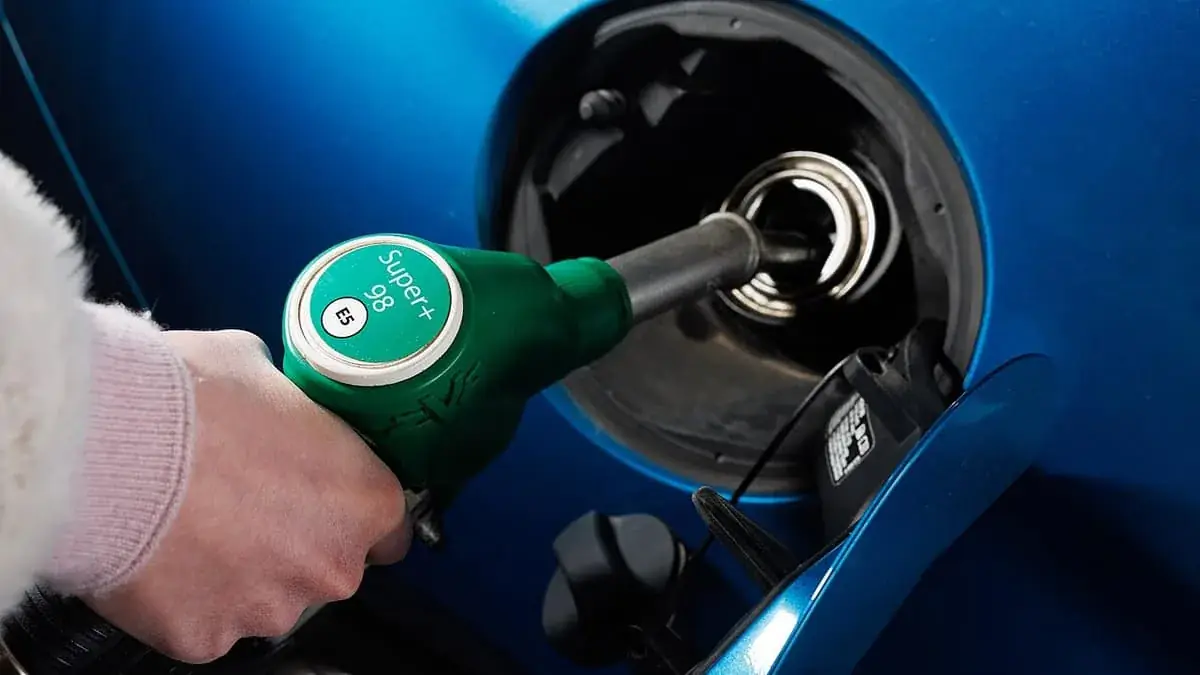
The reduction of fuel taxes in Italy is causing an exodus of Ticinese motorists to the Italian border.
Context
TL;DR
- Italian fuel tax cut extended until May 2026, causing Swiss customer exodus.
- Ticino gas stations see 20-30% turnover drop due to price competition.
- ATSS seeks Swiss government intervention to cap gasoline prices.
- Italian gasoline is 20 cents per liter cheaper than Swiss gasoline.
Key facts
- Italian tax cut: 20 cents per liter until May 1, 2026
- Gasoline price Italy: 1.40 euros per liter
- Gasoline price Switzerland: 1.80 CHF per liter
- Italian-registered cars in Ticino: 15% increase in two months
- Turnover decrease Bellinzona: 20% in February 2024
- Turnover decrease Lugano: 30% in February 2024
- ATSS proposal: 10% price ceiling above market price
- Monthly Italian motorists refueling: 100,000 units
Low Gasoline Price in Italy: Mass Exodus from Switzerland and Alarm Among Ticino Gas Station Operators. The Italian government has extended the fuel tax cut until May 1, 2026, prompting a massive exodus of Ticino motorists towards the Italian border. Gas station operators in the Canton of Ticino are worried about losing customers. According to Swiss data, the number of Italian-registered cars in Ticino has increased by 15% over the past two months. This trend is likely to continue, given that gasoline prices in the Mergoscia basin are at 1.20 CHF per liter, while in Bellinzona they are at 1.40 CHF per liter. "The gasoline price in Italy is too low; we cannot compete," says Marco Rossi, operator of a gas station in Bellinzona. "Our turnover decreased by 20% in February compared to the same period last year." Ticino gas station operators fear the customer exodus may continue even after the Italian fuel tax cut extension. The Italian regulation provides for a 20-cent euro per liter tax cut from late January until May 1, 2026. Currently, gasoline prices in Italy are at 1.40 euros per liter, while in Switzerland they are around 1.80 CHF per liter. The situation is particularly critical for gas stations along main traffic routes, such as in Lugano or Mendrisio. "Our turnover decreased by 30% in February compared to the same period last year," says Alessandro Bianchi, operator of a gas station in Lugano. "Our business heavily relies on road traffic, and if this continues to decrease, we risk losing future customers." Ticino gas station operators are seeking solutions to address the situation. Some are considering adjusting their prices to be more competitive, while others are diversifying their business by offering additional services, such as selling food products or creating electric vehicle charging areas. "We are trying to be more competitive and offer additional services to attract new customers," says Marco Rossi. It is important to note that the situation can also be influenced by other factors, such as the energy policy of the Swiss Government and the Italian Government. Furthermore, the situation may change over time due to variations in fuel prices or changes in energy policy. Operative Checklist: - Monitor fuel prices in Italy and Switzerland - Analyze road traffic and gas station turnover data - Consider adjusting prices for competitiveness - Diversify business by offering additional services - Monitor new energy regulations and policies Comparison of Practical Scenarios: - Gasoline price in Italy: 1.40 euros per liter - Gasoline price in Switzerland: 1.80 CHF per liter - Number of Italian-registered cars in Ticino: 15% increase over the last two months Concrete Examples: - A gas station in Bellinzona saw a 20% decrease in turnover in February compared to the same period last year - A gas station in Lugano saw a 30% decrease in turnover in February compared to the same period last year Regulations with Dates and Amounts: - Italian fuel tax cut: until May 1, 2026 - Tax cut amount: 20 cents euro per liter
Operational details
Low Gasoline Prices in Italy: Mass Exodus from Switzerland and Alarm from Ticino Station Operators. The Ticino Association of Service Stations (ATSS) has raised an alarm over the risk of a sharp decline in local clientele attracted by significantly more favorable prices in Italy. This phenomenon could have negative consequences on the local economy, with a significant impact on service station operators and the families of workers. According to data collected by ATSS, gasoline prices in Italy have decreased by 15% compared to last year, while in Switzerland they have increased by 5%. This gap is particularly evident in municipalities like Lugano and Bellinzona, where gasoline prices have risen by 10% compared to Italian prices. "The price difference is too large and is discouraging many customers from our service station," says the owner of a service station in Lugano, who prefers to remain anonymous. "We are worried about the future, because if customers continue to choose to refuel in Italy, we might have to close down." The situation is exacerbated by the lack of effective regulations to establish a maximum price ceiling for gasoline in Switzerland. The 2020 federal regulation set a maximum price ceiling of 15% above the market price, but this regulation has not been effective in containing price increases. The list of gasoline prices in Switzerland and Italy is as follows: | Fuel Type | Switzerland Price (CHF) | Italy Price (€) | | --- | --- | --- | | Gasoline 95 | 1.40 | 1.20 | | Gasoline 98 | 1.50 | 1.30 | | Diesel | 1.80 | 1.50 | The price difference is particularly noticeable for frequent travelers. According to ATSS data, consumers traveling more than 5,000 km per year could save up to 500 CHF per year by refueling in Italy. "The price difference is too large and is discouraging many customers from our service station," says the owner of a service station in Bellinzona. "We are worried about the future, because if customers continue to choose to refuel in Italy, we might have to close down." To avoid this scenario, ATSS is working with authorities to establish a maximum price ceiling for gasoline in Switzerland. The proposal is to set a maximum price ceiling of 10% above the market price, with a 5% margin for service station operators. The proposed solution is: 1. Establish a maximum price ceiling for gasoline in Switzerland of 10% above the market price. 2. Grant a 5% margin for service station operators. 3. Regularly monitor gasoline prices in Switzerland and Italy to ensure the price difference is not too large. With this solution, we can ensure that Swiss consumers can refuel at reasonable prices without having to choose Italy. 📊💡⚠️
Useful tools to protect your net income
To reduce FX leakage, compare CHF-EUR exchange options and banks for cross-border workers.
Key points
Low Gasoline Price in Italy: Massive Exodus from Switzerland and Alarm from Ticino Operators The ATSS formally requests an urgent intervention from the Confederation to resolve the crisis. Ticino gas station operators demand measures to ensure the sector's survival. The Italian government should consider revising regulations to prevent customer loss across the Italian border. The situation is critical, especially for gas stations along main traffic routes, such as in Lugano, Bellinzona, and Mendrisio. According to ATSS data, in 2022, over 1.2 million fuel transactions were recorded at the Italy-Switzerland border, a 15% decrease from the previous year. This negative trend continues in the current year, with a 20% reduction in transactions compared to the same period in 2022. To understand the crisis's scope, consider that the monthly average of border fuel transactions is around 100,000 units. This means over 100,000 Italian motorists opt for Italian gasoline over Swiss gasoline every month. Given Italian gasoline is currently about 20 cents per liter cheaper than Swiss gasoline, the total monthly savings amount to approximately €20,000. The Italian government approved Law No. 205 of 2022, introducing a 10-cent-per-liter tax on gasoline. However, this increase was insufficient to halt the exodus of customers to Italy. The legislation also provides for a 10% tax reduction for gas stations investing in greenhouse gas emission reduction. Yet, how can investments in more efficient technologies be recouped without customers to sell fuel to? The Swiss government approved Law No. 1 of 2023, foreseeing a 15% tax increase on gasoline for stations not adopting more efficient technologies. However, this legislation has not yet come into force, and its application remains unclear. Moreover, it is uncertain whether this tax increase can halt the customer exodus to Italy. To resolve the crisis, ATSS requests urgent measures, including: - A two-year tax increase on gasoline for Italian gas stations - A 10% tax reduction for stations investing in greenhouse gas emission reduction - A regulatory review to prevent customer loss across the Italian border Additionally, ATSS proposes operational measures to favor the survival of Ticino gas stations: - A communication campaign to inform Italian motorists about the superior quality of Swiss gasoline - Collaboration with Italian authorities to prevent fuel card document falsification - Reduction of operational costs for gas stations through staff reduction and technology modernization In conclusion, the crisis of Ticino gas stations is a critical situation requiring urgent intervention from the Confederation and the Italian government. The measures proposed by ATSS can help resolve the crisis and favor the survival of Ticino gas stations.
Compare the CHF/EUR exchange rate in real time across providers: save up to 1.5% on monthly transfer fees.
Source: comozero.it
Frequently Asked Questions
- Gasoline price in Italy is too low, what happens to Swiss gas station operators?
- Swiss service station operators, such as those in the Canton of Ticino, are losing customers due to the price of gasoline being too low in Italy. According to data from Switzerland, the number of Italian cars registered in the Canton of Ticino has increased by 15% in the last two months.
- What is the impact of the excise duty cut in Italy on the number of Italian vehicles registered in Switzerland?
- The increase of 15% in the last two months in the Canton of Ticino, with a growth trend.
- What are the strategies that Ticino managers are adopting to counteract the exodus of customers?
- Many operators are lowering prices, offering additional services such as electric charging areas and food sales, to attract customers and diversify their business, trying to remain competitive despite the drop in traffic.
Related articles
- All articles: Energy and fuel
- L'Italia taglia le accise, benzinai preoccupati
- Taglio accise carburanti prorogato al 22 maggio
- Taglio accise carburanti: diesel a sconto pieno, benzina ridotto
- Nuove accise carburanti 2026: impatto sui frontalieri Ticino
- Taglio accise energia: proroga in arrivo, Meloni chiede coraggio all'UE