Fuel discount: Italy extends the discount
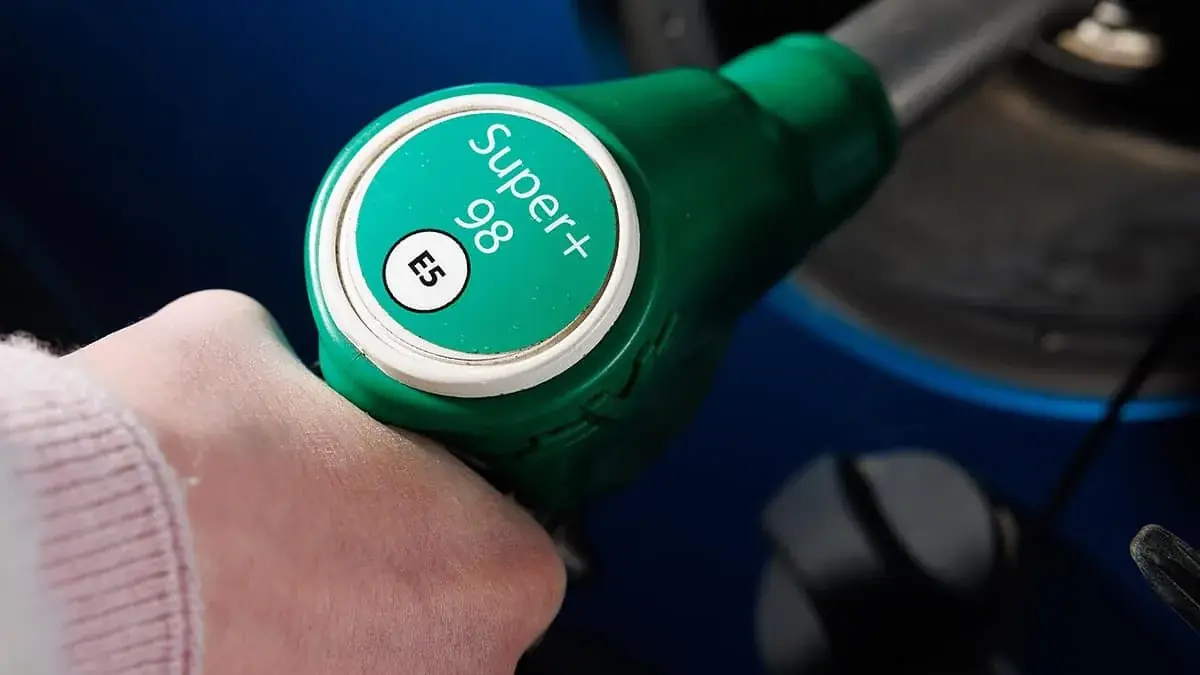
The Meloni government extends the cut in excise duties until May 1st
Context
TL;DR
- Italy extends fuel tax cut until May 1, 2026.
- Swiss fuel retailers fear unfair competition.
- Price difference per liter could increase to 0.48 CHF.
Key facts
- Decision Date: April 4, 2026
- Tax Cut Extension: Until May 1, 2026
- Tax Reduction: 24.4 cents per liter in Italy
- Price Difference: 0.32 CHF per liter currently, could increase to 0.48 CHF
- Current Price Chiasso: 1.85 CHF per liter
- Current Price Como: 1.42 EUR per liter (approx. 1.53 CHF)
- Impact Concerns: Decrease in sales, job losses, revenue reduction for Swiss state
- Initial Tax Cut: March 22, 2023, 0.15 EUR per liter until December 31, 2023
On April 4, 2026, the Lombardy Region announced that the Meloni government has decided to extend the cut in fuel taxes until May 1. This decision worries Swiss fuel retailers, who fear unfair competition. According to Giacomo Agosta, 'there is unfair competition' for Swiss fuel retailers. Italy has already reduced fuel taxes by 24.4 cents. Ticino fuel retailers are concerned about the possible flight of motorists to Italy. For example, in Chiasso, a liter of gasoline currently costs 1.85 Swiss francs, while in Como, Italy, the price is 1.42 euros, equivalent to approximately 1.53 Swiss francs. The price difference is therefore 0.32 Swiss francs per liter. With a reduction in taxes of 24.4 cents in Italy, the price of gasoline could drop to 1.27 euros, equivalent to approximately 1.37 Swiss francs, increasing the price difference to 0.48 Swiss francs per liter. To assess the impact of this decision, it is possible to consider the following points: - decrease in gasoline sales in Switzerland - increase in traffic to Italy - possible loss of jobs in the fuel sector in Switzerland - need to review pricing and marketing strategies for Swiss fuel retailers. Additionally, Swiss regulations provide that fuel taxes are paid to the state, which uses them to finance infrastructure projects and public services. The possible flight of motorists to Italy could therefore reduce the Swiss state's revenue. It is important to note that the Meloni government's decision to extend the cut in fuel taxes until May 1 has been criticized by some experts, who argue that it could have negative effects on the environment and road safety. However, for Ticino fuel retailers, the main concern is unfair competition and the possible loss of customers.
Operational details
Economic Impact
The government Meloni's decision could have a significant impact on the Ticino economy. Swiss gas stations may lose customers due to distorted competition. For example, if we consider the current prices of gasoline in Italy and Switzerland, with a liter of gasoline costing around 1.6 CHF in Switzerland and 1.4 EUR (approximately 1.5 CHF) in Italy, the price difference could increase if Italy maintains the excise duty cut. This could lead to a loss of revenue for Ticino gas stations, particularly in border areas such as Chiasso, Mendrisio, and Lugano.
Price Comparison
A comparison of gasoline prices in Italy and Switzerland shows that Italian prices are already lower. The price difference could increase if Italy maintains the excise duty cut, which was introduced on March 22, 2023, and provides for a reduction of 0.15 EUR per liter in excise duty on gasoline and diesel until December 31, 2023. For example, if a car consumes 10 liters of gasoline per 100 km, the fuel cost for a trip from Lugano to Milan would be around 16 CHF in Switzerland and 14 EUR (approximately 15 CHF) in Italy.
Impact on Border Residents
Border residents who work in Switzerland and live in Italy may be interested in buying gasoline in Italy due to the lower prices. This could have a negative impact on the Ticino economy, particularly in border municipalities. For example, in Chiasso, where there are several service stations, the loss of customers could lead to a reduction in revenue for local gas stations.
- Check gasoline prices in Italy and Switzerland
- Calculate the price difference for a specific trip
- Consider the impact of distorted competition on Ticino gas stations
- Evaluate options for border residents who work in Switzerland and live in Italy.
Useful tools to protect your net income
To reduce FX leakage, compare CHF-EUR exchange options and banks for cross-border workers.
Key points
What to do
The Ticino gas station owners must be prepared to face the distorted competition coming from Italy, where the discount on gasoline has recently been extended. This could have a significant impact on their business, especially in border areas such as Chiasso and Mendrisio.
Marketing strategies
They could implement targeted marketing strategies to attract customers, for example by offering additional services such as car washing or the possibility of refueling 24 hours a day. Additionally, they could use social media to promote their offers and interact with customers. For example, a fuel distributor in Lugano could offer a 5% discount on refills over 50 liters.
Investments
They could invest in technologies to reduce costs and increase efficiency, such as the installation of automatic sales management systems or the implementation of customer loyalty programs. According to the Swiss regulations of January 1, 2022, fuel distributors must ensure a reduction of CO2 emissions by 10% by 2025. Investing in more efficient technologies could help achieve this goal.
To calculate the impact of distorted competition on your business, visit our salary calculator. Additionally, here is an operational checklist to help Ticino gas station owners face the competition:
- Check the prices of Italian competitors
- Analyze production and sales costs
- Identify areas for improvement
- Implement targeted marketing strategies
- Invest in more efficient technologies
For example, if a fuel distributor in Locarno has a production cost of 1.20 CHF per liter and a selling price of 1.50 CHF per liter, it may need to reduce the selling price to 1.40 CHF per liter to remain competitive with Italian prices.
ARTICLE TITLE: Gasoline discount: Italy extends the discount
Source: laregione.ch
Frequently Asked Questions
- What is the economic impact of the reduction of excise duties on petrol in Italy for Swiss petrol station attendants?
- The reduction of excise duties on petrol in Italy could lead to distorted competition for Swiss petrol station operators, with the possibility of loss of customers and reduced revenue.
- What is the impact of the reduction in excise duties on petrol in Italy on Swiss state revenues?
- The reduction in excise duties in Italy could reduce Swiss state revenues, as cross-border commuters could buy petrol in Italy at lower prices, causing a decrease in sales in Switzerland and thus a reduction in excise duties paid to the Swiss state.
- How can I save on the price of petrol by refuelling in Italy as a cross-border commuter?
- For a cross-border commuter who lives in Italy and works in Switzerland, filling up in Italy is more convenient. With the new price of €1.27 per litre (≈1.37 CHF) and the Swiss price of 1.85 CHF, the difference is 0.48 CHF per litre. On a consumption of 10 l/100 km, a journey of 200 km generates a saving of around CHF 9.6 (€≈9). It is advisable to stock up before crossing the border and use payment cards with favorable exchange rates.
- What is the expected increase in vehicular traffic to Lombardy after the cut in excise duties?
- According to estimates by the Federal Statistical Office, the cut in excise duties is expected to increase cross-border traffic by 10 to 12 percent within three months. With an average of 8,000 vehicles per day on the Chiasso pass, this would mean about 800-960 more vehicles per day, equivalent to 80-115 tons more gasoline consumed in Italy. The increase can aggravate congestion and waiting times at the crossing.
Related articles
- All articles: Agreements and politics
- Benzina più cara in Svizzera: ticinesi e frontalieri fanno
- Proroga accise carburanti: sconto gasolio a 24,4 centesimi, benzina a 6
- Benzina oltre 2€, il pieno svizzero non conviene più
- Taglio accise carburanti: diesel a sconto pieno, benzina ridotto
- L'Italia taglia le accise, benzinai preoccupati