Fuel in Ticino: no shortage, but high prices (cross-border guide)
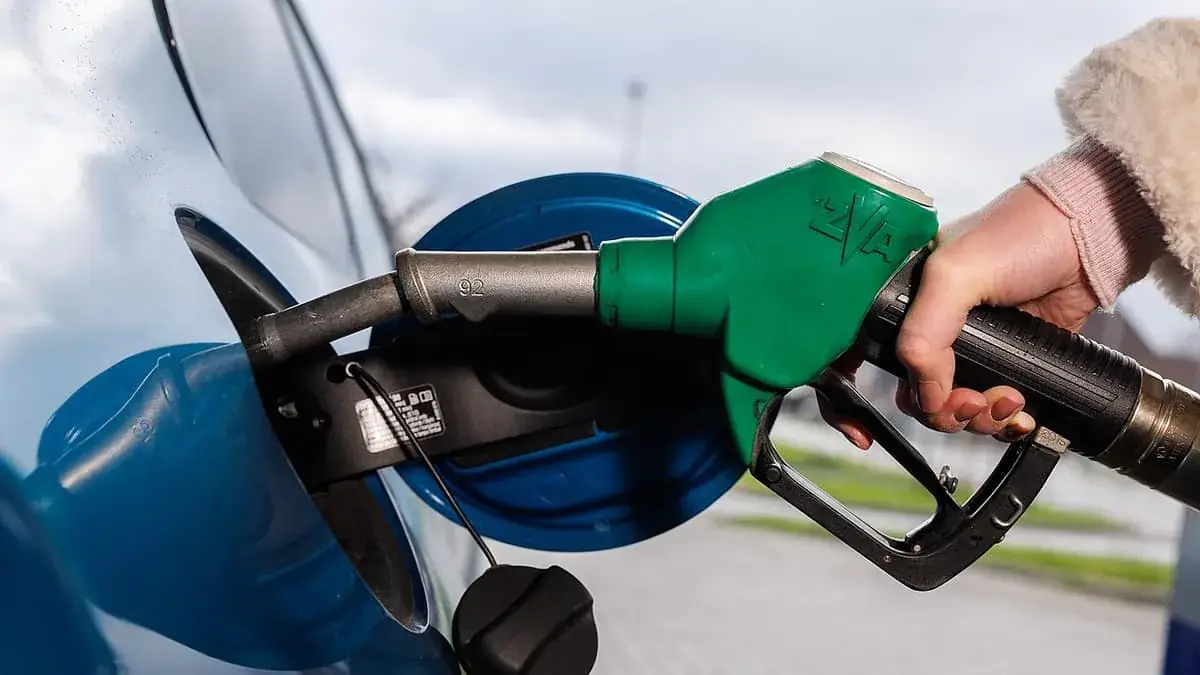
There is currently no fuel shortage in Ticino, but prices remain high. The future depends on the development of the war and European energy flows.
Context
In brief
Operational details
In brief
- Ticino benefits from its geographical position
- Strategic reserves not yet used
- Pump prices influenced by the global market
- Cross-border workers exposed to fuel costs as an indirect tax factor
The Canton of Ticino, thanks to its strategic position at the crossroads between Italy and Northern Europe, enjoys greater resilience in fuel flows compared to other Swiss regions. While areas like Zurich or Basel largely depend on northern refineries, Ticino can draw from multiple supply routes: from the south (Italy) and from the north (Germany, France, Austria). This mix reduces the risk of sudden interruptions. For cross-border workers, who often use the car to reach their workplace, this logistic stability is a crucial factor. If refueling were to become uncertain, the impact would be immediate on daily mobility.
However, the security of supplies does not eliminate the pressure on prices. The cost of fuel in Switzerland is linked to the international price of the barrel, the dollar exchange rate, and refining and distribution margins. The fact that the barrel hovers around 100-110 $ means that the price per liter will remain above 2 francs for an extended period. This level particularly penalizes those who drive non-electric or hybrid cars, especially those who cover long distances. A cross-border worker living in Varese and working in Lugano spends on average 120-150 CHF per month on gasoline alone. With prices at 1.70 francs, the expense would be around 100 CHF. The difference of 20-50 CHF per month translates into an indirect cost linked to the conflict, not offset by any refund.
…
Key points
In brief
Monitoring prices in real-time helps optimize fuel supplies Using alternative modes of transport reduces dependence on fuel Strategic reserves are a buffer, but not a long-term solution The Swiss government coordinates the energy emergency at the national level
For cross-border workers, fuel management is an integral part of daily planning. Even if there are no shortages today, it is advisable to adopt strategies to reduce exposure to high prices. A first step is to monitor prices in real-time through apps like Gaspy or local comparators. Sometimes, refueling in Italy (where the price per liter is lower) can result in a 10-15% saving. However, the additional consumption to reach the pump and the risk of queues or product depletion near border crossings like Brogeda or Gaggiolo should be considered.
What to do concretely
1. Schedule fuel refills on days with the highest discounts: many stations offer promotions on Mondays or Thursdays. It is useful to sign up for loyalty programs. 2. Evaluate switching to hybrid or electric vehicles: there are cantonal incentives for the purchase of green cars in Ticino. Those with a stable income can take advantage of company leasing, which is often more convenient. 3. Use public transport whenever possible: with the G permit, you are entitled to discounts on Swiss public transport. The train from Chiasso to Lugano costs around 10 CHF per trip, less than a full tank of fuel. 4. Share a car with colleagues: carpooling reduces costs and environmental impact. There are WhatsApp groups dedicated to routes like Mendrisio-Varese or Lugano-Como. 5. Keep an eye on official Swiss channels: SEM and DFE provide updates on any energy emergencies. Signing up for notifications can prevent surprises.
…
Frequently Asked Questions
- Is there a risk of fuel shortages in Ticino?
- As of today, there are no fuel shortages in Ticino. Service stations are regularly supplied and mandatory stocks cover three months of consumption. However, the future depends on the development of the war. If the conflict were to worsen, difficulties could emerge in the months following May 2026.
- Why is the price of petrol still so high?
- The price of a barrel of oil rose from less than $70 to over $100 in a few days at the start of the crisis. Since then, it has remained around $100-110. This level is reflected at the pump, where petrol is around 2 francs per liter, compared to the previous 1.70 francs. Global market volatility keeps prices high.
- Is Ticino more protected than other Swiss regions?
- Yes, Ticino enjoys a favorable geographical position, halfway between Italy and Northern Europe. It can receive fuel from both directions, which offers more alternatives than other Swiss regions. This increases the resilience of the local supply system.
Related articles
- All articles: Energy and fuel
- La Spagna riduce i prezzi del carburante di 30 centesimi al litro
- Penuria di carburante in Svizzera: rischio molto elevato
- Svizzera a credito energetico: cosa cambia per i frontalieri
- Frontalieri in Ticino: flussi e mobilità verso Como e Varese
- Riforma UE sui frontalieri disoccupati, per la Svizzera costi fino a un miliardo