Border resignations: deadlines and procedure
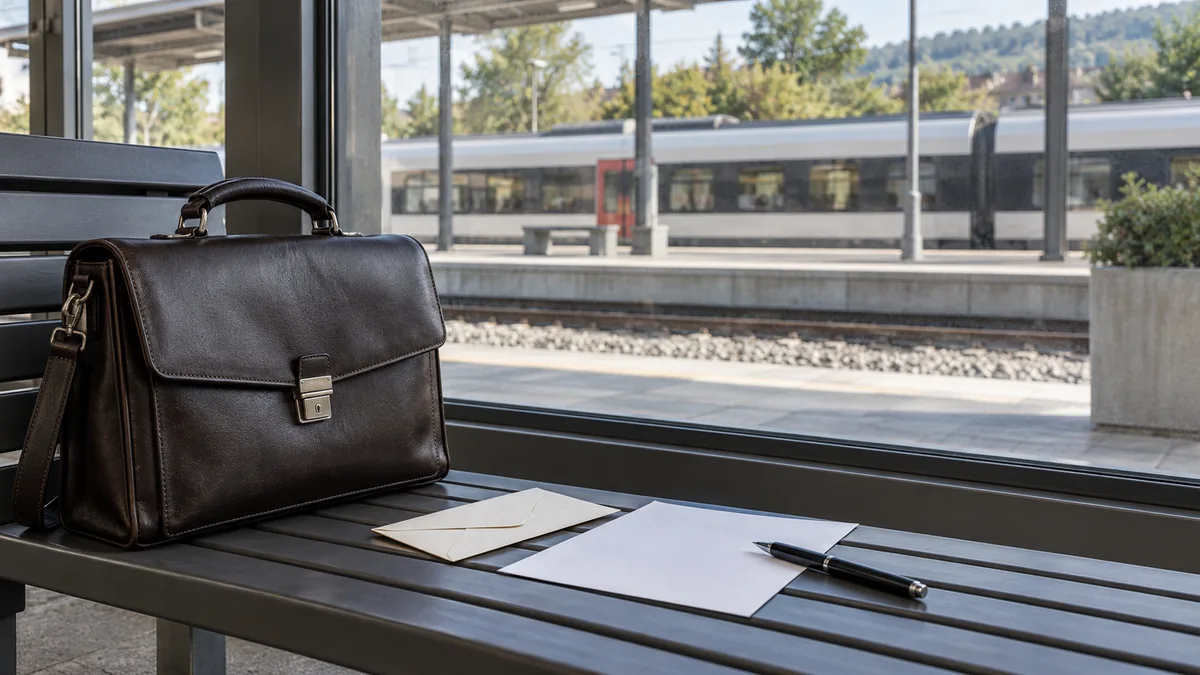
How to resign in Ticino: terms of notice, impact on G leave and unemployment.
Context
In brief
- The Swiss notice period ranges from 1 to 3 months
- The resignation must be in writing and delivered to the employer
- The impact on the G permit and unemployment rights is critical
Key facts
- Minimum notice period: 1 month
- Maximum notice period: 3 months (after 10 years of service)
- Format: Written (registered mail recommended)
- Involved entities: SECO, USTAT, INPS
The decision to leave a job in Ticino as a cross-border worker is not just a professional choice, but a legal act with concrete repercussions on taxation and social security. In Switzerland, the Code of Obligations establishes the notice periods, which start at one month for the first two years of service, rising to two months after two years and to three months after ten years of seniority with the same employer. These terms are not strictly negotiable, but they can be modified by the individual contract only in a manner more favorable to the worker, never to their detriment.
The resignation procedure
The resignation must be communicated in writing. Although the law does not mandate registered mail, it is the only certain proof of receipt. The employer is obliged to issue a work certificate (LAVS) at the end of the employment relationship, a document essential for any future employment in Switzerland. Without this certificate, the professional career in the Canton of Ticino is significantly affected. It is fundamental to verify that the certificate contains the exact end date of the relationship, the qualification performed and, if requested, the main activity. A cross-border worker who finds themselves in a situation of voluntary resignation must be aware that this choice will also influence their rights in terms of social security and taxation, particularly regarding the management of the G permit and potential registration for unemployment.
Operational details
Impact on G permit and taxation
The termination of the employment relationship directly affects the validity of the G permit. If the cross-border worker does not find new employment in Ticino within a reasonable time frame, the permit may be revoked. Furthermore, voluntary resignation results in a waiting period for unemployment benefits. In Switzerland, anyone who voluntarily resigns without a valid reason recognized by law (such as unfair dismissal or a substantial modification of contractual terms) is subject to a waiting period for unemployment benefits. The duration of this waiting period varies, but it prevents immediate access to benefits managed by the SECO (State Secretariat for Economic Affairs) or the competent cantonal funds.
On the tax side, withholding tax is deducted directly by the employer. In the event of resignation, it is important to verify that the withholding is correct for the period worked. Italian cross-border workers benefit from a tax credit in Italy to avoid double taxation, regulated by the Italo-Swiss Convention of March 9, 1976. The CE section of the Italian 730 tax return is the tool for declaring income from work in Switzerland. A cross-border worker who resigns must ensure that the employment certificate and tax statements are consistent in order to correctly complete the tax return. INPS and the Italian Revenue Agency (Agenzia delle Entrate) are the reference bodies for managing social security and taxation in Italy, while in Switzerland the relevant institutions are the SECO for unemployment and the USTAT for industry statutes and regulations.
Key points
Operational checklist for resignations
Before sending the cancellation letter, it is advisable to follow a structured procedure to minimize bureaucratic risks. First, check the exact contractual and legal notice period. Secondly, write the letter clearly and concisely, indicating the last date of work. Deliver the letter by registered mail with return receipt or, if possible, in person with signature of receipt. Keep a copy and proof of delivery.
After the end of the relationship, immediately request the work certificate. Check that the data is correct. If you are entitled to a holiday allowance, make sure it is paid or compensated. As far as social security is concerned, AVS (Old Age and Survivors Insurance) and AI (Disability Insurance) continue to be registered, no matter where you live. If you decide to look for a job in Ticino, register with the competent employment office. On the other hand, if you return to Italy, check how the contributions paid in Switzerland affect your right to a pension through bilateral agreements.
To calculate the net impact of your resignation and estimate the taxes due, you can use our simulation tool. The calculator helps you understand how withholding tax translates into your net salary and how to manage the tax credit in Italy.
Simula il tuo stipendio netto
Frequently Asked Questions
- How long is the notice period in Switzerland?
- The notice period in Switzerland is 1 month for the first two years of service, 2 months after two years and 3 months after ten years of service. These terms are provided for by law and can only be modified by the contract in a way that is more favourable to the worker.
- What happens to the G leave if I resign?
- If you voluntarily resign, the G permit remains valid only if you find a new job in Ticino within a reasonable time. Otherwise, the permit may be revoked. Voluntary termination also leads to a shortage of unemployment in Switzerland.
- How do I manage taxes after I resign?
- Tax at source is withheld by the employer. In Italy, you can apply for the tax credit to avoid double taxation, by declaring income in the EC framework of 730. Make sure you have the correct work certificate and tax certificates.