Fatal Accident in Porlezza: A Cross-Border Worker Dies
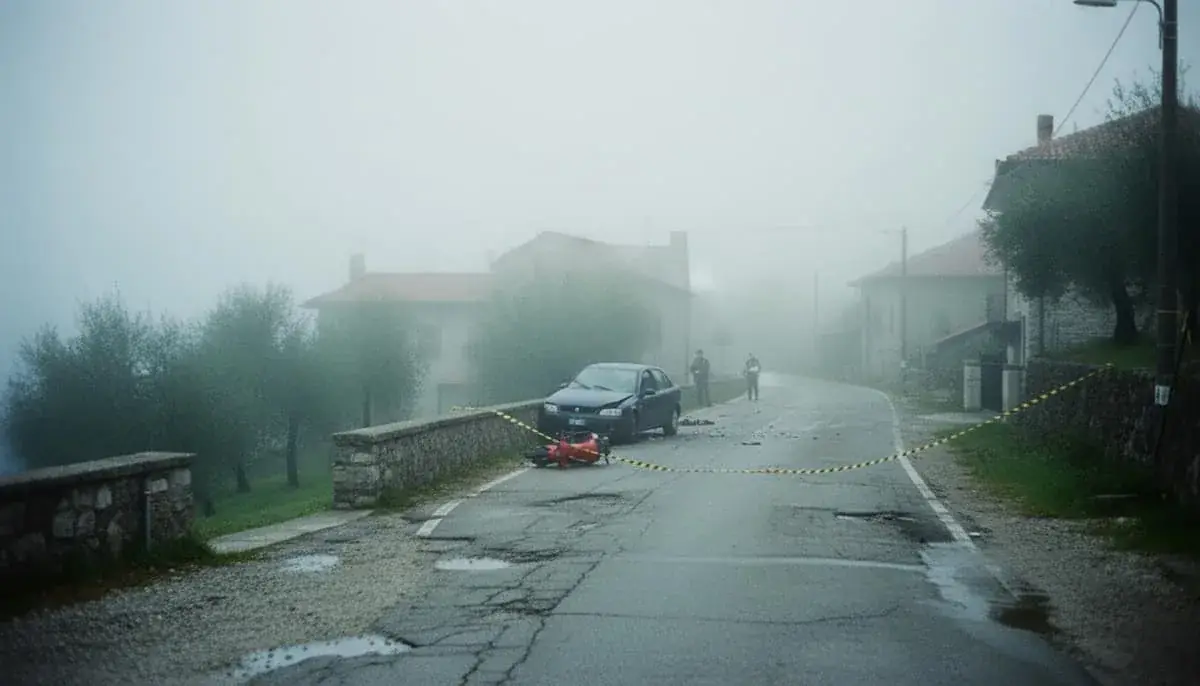
A 19-year-old cross-border worker on a scooter loses his life in a collision with a car in Porlezza. A tragic Saturday morning.
Context
TL;DR
- 19-year-old cross-border worker killed in Porlezza
- Accident occurred at 7:20 AM on Via Ceresio
- Road safety concerns for cross-border workers
Key facts
- Cosa: Incidente mortale tra auto e scooter
- Quando: Sabato 28 febbraio 2026 alle 7:20
- Dove: Via Ceresio, Porlezza
- Chi: Lavoratore transfrontaliero di 19 anni da Como
- Importo: 3.800 lavoratori transfrontalieri attraversano Ponte Tresa ogni giorno
- Scadenza: Investimenti stradali previsti per il 2026
- Investimento: 12 milioni di euro in infrastrutture stradali
Tragic Accident in Porlezza
On Saturday, February 28, along Via Ceresio in Porlezza, a serious accident involving a car and a scooter claimed the life of a 19-year-old cross-border worker from Como. The incident occurred at 7:20 AM as the young man was on his way to work in Switzerland. According to laRegione, the location of the accident is a road frequently used by cross-border workers traveling through the Ponte Tresa crossing to reach Canton Ticino.
Preliminary investigations suggest that the young man, riding his scooter, may have been struck by a car under conditions of reduced visibility. Local police and emergency services responded promptly, but unfortunately, they were unable to save the young man's life. The local community and the cross-border worker community are deeply shaken by this tragedy, which once again highlights the dangers of border roads, often congested and unsafe.
'A dramatic event that reminds us how crucial it is to improve road safety in border areas,' stated a representative of the local cross-border workers' association.
Operational details
Road Safety and Implications for Cross-Border Workers
This tragic event raises questions about the safety of roads used daily by cross-border workers commuting to Ticino. Porlezza and other border towns are critical points for cross-border traffic, but the infrastructure is not always adequate. High vehicle density, combined with peak hours and unfavorable weather conditions, increases the risk of accidents.
Recent regulations in Switzerland and Italy include investments in road infrastructure and awareness campaigns. However, many cross-border workers express frustration over the lack of concrete actions. According to SECO data, 15% of fatal accidents involving cross-border workers occur along border routes. Porlezza, in particular, is a critical junction for those working in Ticino and crossing at Ponte Tresa.
📊 Key Data:
- 3,800 cross-border workers cross the Ponte Tresa border daily.
- 60% of accidents in the area occur between 6:30 and 8:30 AM.
- Planned investments for 2026: €12 million in road infrastructure.
⚠️ Cross-border workers are advised to review their insurance coverage for road accidents, as policies vary depending on employment regulations in Switzerland and Italy.
Recommended tools
For an updated estimate, use the net salary calculator and the CHF-EUR exchange comparator.
Key points
Prevention and Useful Tools for Cross-Border Workers
To prevent tragedies like the one in Porlezza, it is essential to adopt preventive measures. Cross-border workers should:
- Consider alternative or less congested routes.
- Equip vehicles with advanced safety devices.
- Regularly check the condition of their vehicles.
💡 Additionally, it is recommended to plan trips using tools that monitor traffic and road conditions. On our website, you can access useful resources such as the transport calculator to optimize travel times and reduce risks.
📅 The news was reported by laRegione on February 28, 2026. Stay tuned for updates and analyses on road safety for cross-border workers.
Frequently Asked Questions
- How many cross-border commuters cross the Ponte Tresa crossing every day?
- According to SECO data, 3,800 cross-border commuters cross the Ponte Tresa crossing every day.
- What percentage of fatal accidents involving cross-border commuters occur along border crossings according to SECO data?
- 15% of fatal accidents involving cross-border commuters occur along border routes, according to SECO data.
- What are the most dangerous peak times for cross-border commuters on the Ponte Tresa-Porlezza route?
- According to the data reported, 60% of accidents in the area occur between 6:30 and 8:30, so the most dangerous peak times for cross-border commuters on the Ponte Tresa-Porlezza route are the first two hours of the morning. It is recommended to leave before 6:30 am or after 9:00 am to reduce the risk.
- What investments are planned to improve road safety in the Porlezza area in 2026?
- For 2026, 12 million euros have been allocated for the redevelopment of road infrastructure in the Porlezza area and the Ponte Tresa pass. The funds will cover the safety of dangerous curves, the installation of light signs and the expansion of emergency lanes, with the aim of reducing accidents by 20% by 2028.
- What alternative routes can I use to avoid heavy traffic between Como and the Canton of Ticino?
- Those looking for an alternative route to via Ceresio can use the A9 motorway via Chiasso, which adds about 10 minutes but avoids the heavy traffic of the Ponte Tresa crossing. Another option is the provincial road 33 towards Lugano, less busy but with more tortuous routes; Both reduce the risk of traffic jams during peak hours.